
Understanding High Visibility Winter Jackets: Why They Matter Worldwide
If you’ve ever worked outside in cold, low-light conditions, the importance of high visibility winter jackets probably isn’t news. But beyond personal comfort, these specialized garments are vital safety tools — especially as workforces globally expand in industries like construction, emergency services, and logistics. Fact is, cold-weather visibility gear can drastically reduce accidents. Recognizing their significance helps companies meet safety standards while protecting human lives.
So what makes these jackets tick? How do they fit into a global safety puzzle increasingly shaped by regulation, extreme weather, and humanitarian needs? Let’s unpack that, with an eye on why engineers, safety officers, and even humanitarian workers alike depend on high visibility winter jackets every day.
Why Are High Visibility Winter Jackets Globally Essential?
According to the International Labour Organization (ILO), even before the world was rocked by unpredictable climate shifts, workplace accidents due to visibility issues accounted for approximately 15% of industrial injuries annually worldwide. Combine this with the rise of outdoor industry sectors — think logistics hubs in Northern Europe or mining in Canada — and you realize the numbers only grow.
Winter’s short daylight and inclement weather further complicate matters. The World Bank reports increased investment in occupational safety worldwide, where standards for effective PPE (personal protective equipment) including high visibility garments are tightening. Yet challenges remain: cold weather limits the kind of gear workers wear, sometimes leading them to compromise visibility for warmth or comfort.
Addressing this balance is the challenge modern high visibility winter jackets aim to solve — a problem with literally global stakes.
What Exactly Are High Visibility Winter Jackets?
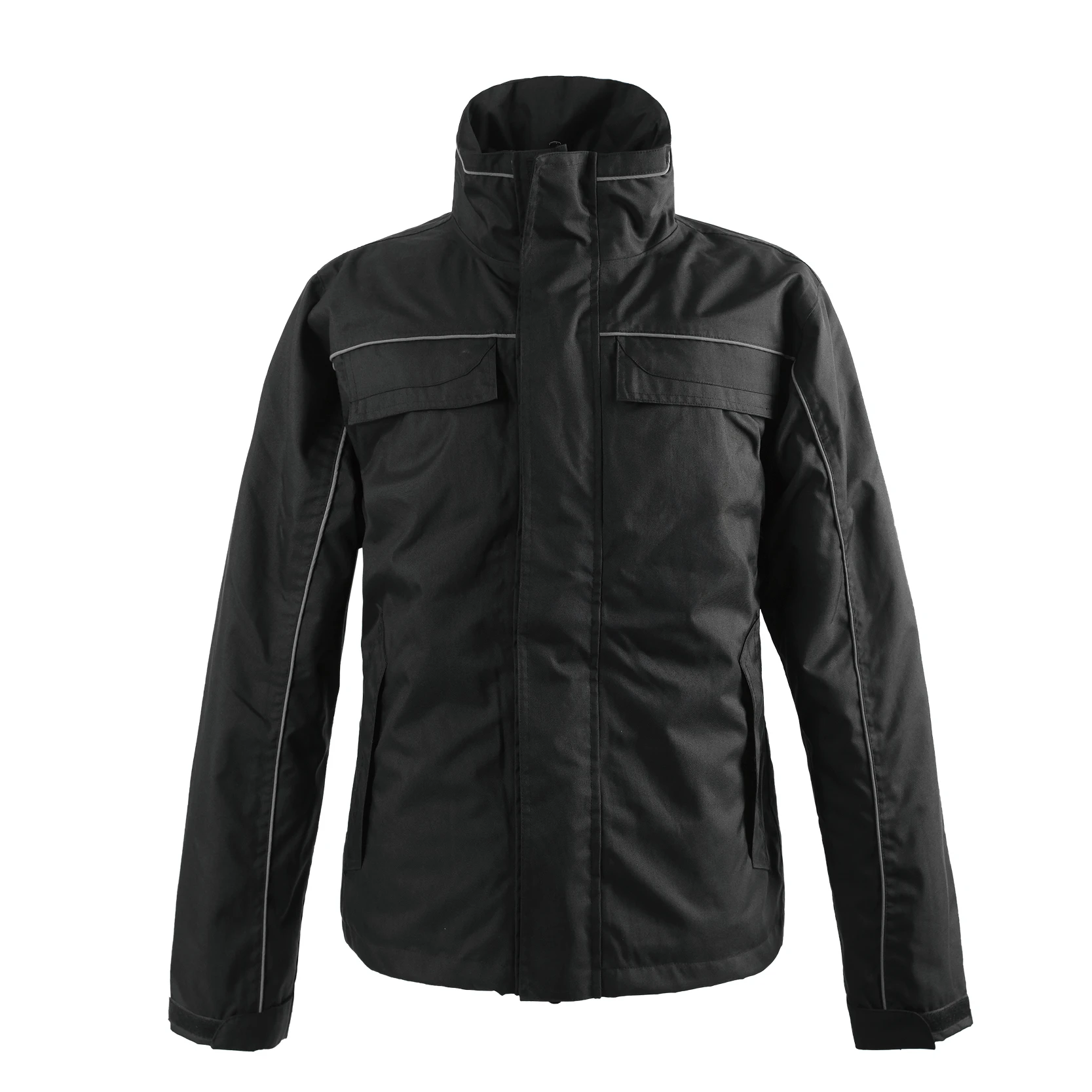
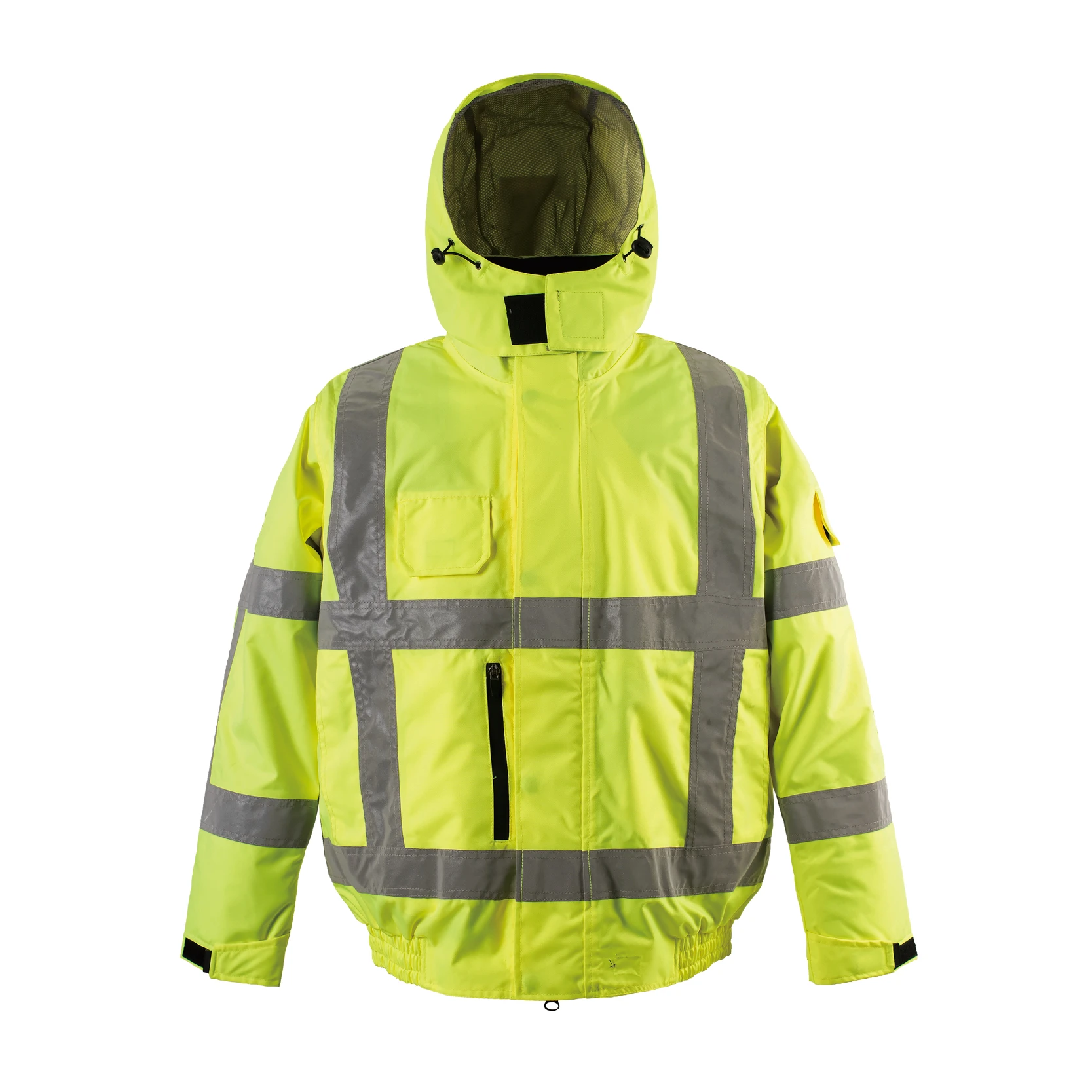
Put simply, these are insulated, weatherproof jackets designed to keep wearers warm while making them unmistakably visible in low-light or hazardous environments. They combine bright fluorescent colors (like neon yellow or orange) with reflective strips that bounce light back towards its source — such as headlights or flashlight beams.
But this isn’t just about bulk insulation or flashy hues. These jackets perform at the intersection of comfort, safety certification standards (ISO 20471 is a benchmark for hi-vis apparel), and a versatility crucial for sectors like emergency relief, utilities maintenance, and heavy industry.
Key Features That Make These Jackets Work
1. Thermal Insulation
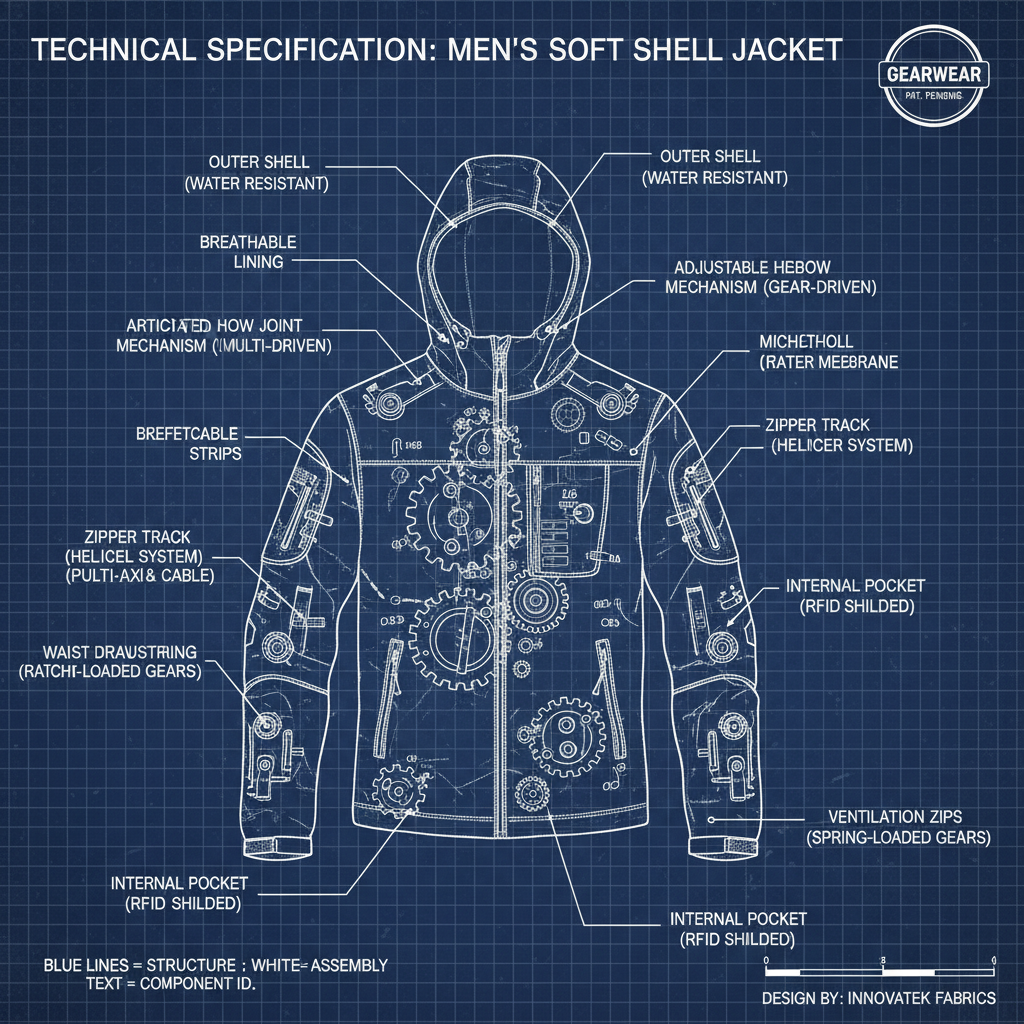
It's odd how often warmth is overlooked in hi-vis gear. Many jackets use synthetic fills (like Thinsulate) that trap heat without adding weight. Some even integrate breathable membranes to avoid sweat accumulation, which can compromise both warmth and comfort during long shifts.
2. Superior Visibility Materials
The fluorescent fabrics are usually polyester blends, treated for resistance to fading. Reflective tape placement follows strict standards to maximize visibility from all angles. I’ve noticed that the most effective jackets feature overlapping reflective patterns on sleeves, shoulders, and back.
3. Weather Resistance
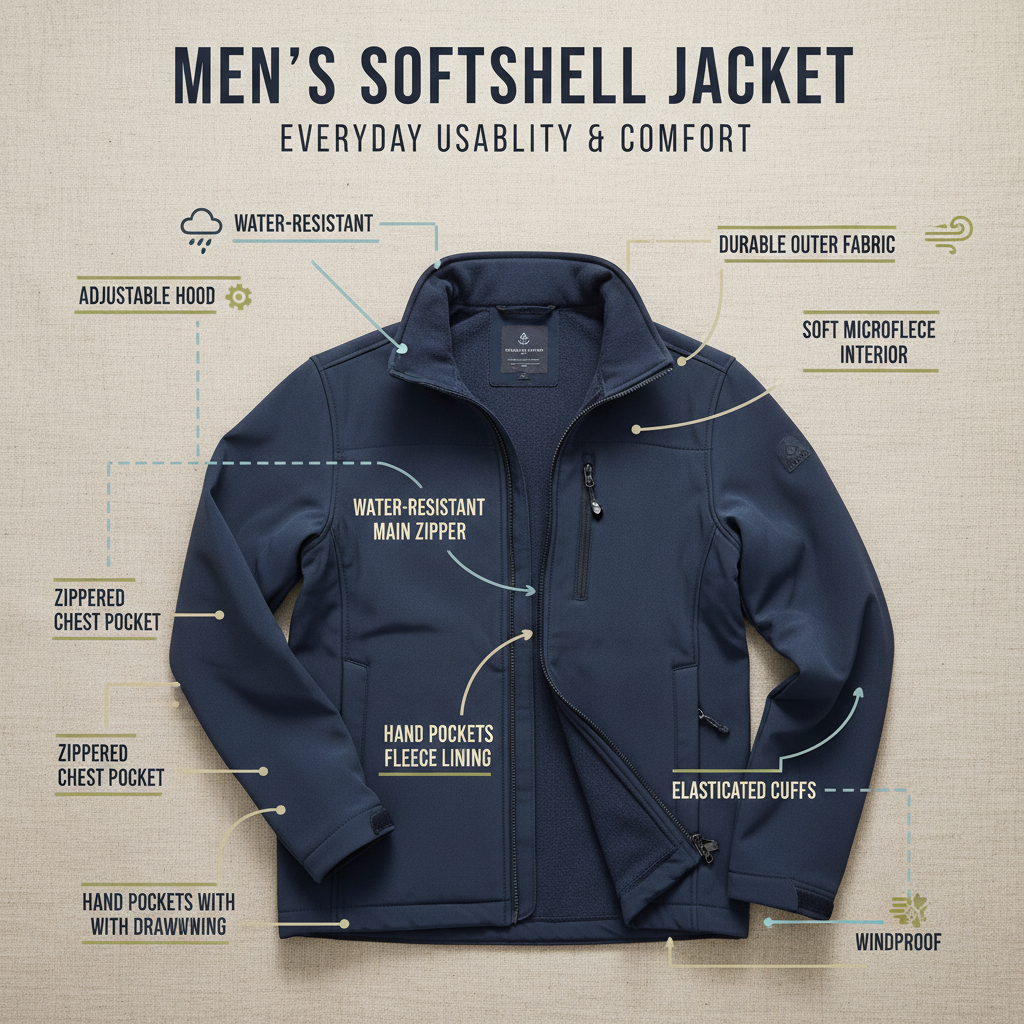
Waterproof shells or water-repellent treatments are a must to fend off rain, snow, or sleet. Windproof layers add another barrier against chill. In rough environments — say, snow-covered mines or coastal rescue zones — durability against abrasion and tearing is just as crucial.
4. Comfort & Mobility
It’s no good if a worker looks safe but moves stiffly, risking slips or slower reaction time. Key design elements include articulated elbows, adjustable cuffs, and roomy pockets for tools or radios. Some jackets also feature detachable linings for adaptability across changing weather.
5. Compliance & Certification
Meeting international safety certifications ensures these jackets perform as promised. ISO 20471 is the go-to for visibility, while other certifications cover flame resistance (EN 1149) or chemical protection depending on workplace hazards.
A Quick Look: Typical High Visibility Winter Jacket Specifications
| Feature | Typical Specification |
|---|---|
| Outer Material | Polyester Ripstop, waterproof coating |
| Insulation | Thinsulate™ 3M, approx. 150g/m² |
| Reflective Tape | Silver microprismatic tape, ASTM compliant |
| Certifications | ISO 20471 Class 3, EN 342 (thermal) |
| Weight | 850–1200 grams (varies by size) |
| Additional Features | Detachable hood, adjustable cuffs, multi-functional pockets |
Mini takeaway: At their core, high visibility winter jackets blend safety standards with real-world comfort and adaptability — no small feat, considering how many environmental factors they have to overcome.
Where Are High Visibility Winter Jackets Making a Difference?
Their utility spans industries and continents:
- Construction Sites: From icy Scandinavian ports to North American bridge work, jackets ensure workers stay visible against the gray, snowy backdrops.
- Emergency Response: Disaster relief teams (think post-floods in Bangladesh or wildfire fighters in Australia) wear these jackets to stay identifiable amid chaos and poor weather.
- Transportation & Logistics: Warehouse personnel loading trucks in dimly lit winter afternoons count on these for safe transitions between indoor/outdoor zones.
- Utilities and Maintenance: Power line crews and telecom engineers in remote, snowbound sites rely on thermal hi-vis jackets for warmth and visibility.
Oddly enough, even some outdoor event staff and municipal workers increasingly prefer these jackets as they combine functional necessities (warmth and compliance) with stylish practicality.
Vendor Comparison: Picking the Right High Visibility Winter Jacket Supplier
| Supplier | Price Range | Certifications | Customization | Global Shipping |
|---|---|---|---|---|
| Jide Garment Co. | $60 - $120 | ISO 20471, EN 342 | Logo & color options | Yes |
| Arctic Safety Gear | $80 - $150 | ISO 20471, NFPA | Limited customization | North America only |
| Global PPE Solutions | $70 - $130 | ISO 20471, EN 343 | Full custom orders | Worldwide |
Why Invest in High Visibility Winter Jackets?
The direct benefits are obvious: reduced accidents, compliance with regulations, and worker comfort. But there’s more subtle value here.
From a sustainability standpoint, many manufacturers now use eco-certified materials, reducing environmental impact without sacrificing performance. This means companies can tick their CSR boxes without sweat.
Then there’s trust. Employees appreciate when employers invest in quality safety gear. It boosts morale, reduces turnover, and frankly, saves lives. This emotional dimension often goes underappreciated until you hear a first responder say, “This jacket saved me from an accident.”
What’s Next for High Visibility Winter Jackets?
Innovation isn’t standing still. We’re seeing developments in integrating smart textiles — fabrics with embedded sensors that track body temperature or even worker location. Imagine a jacket that alerts supervisors when a distant worker’s core temperature dangerously drops or is caught in a low-visibility zone.
On the materials front, bio-based synthetic fibers and recycled reflective tapes are already hitting the market. These approaches align with broader trends toward circular economies and green manufacturing, supported by ISO guidance on sustainable PPE.
Common Hurdles and How Leaders Are Fixing Them
The main challenges remain cost, bulkiness, and sometimes confusing certification landscapes. Lighter insulation with higher warmth ratings can be pricey. Plus, some users resist wearing bulky jackets in mild winter conditions, opting out of high visibility altogether.
To combat these, suppliers are offering modular wearable kits plus education on cold stress hazards. Many companies integrate worker feedback loops to refine designs continually. And digital platforms now help buyers verify certifications and compare options — no more guesswork.
FAQ: Practical Questions About High Visibility Winter Jackets
- Q1: What standards should I check to ensure the jacket is truly high visibility?
- A: Look for ISO 20471 certification, which governs color brightness and reflective tape placement. Also check for EN 342 for thermal performance if warmth is key.
- Q2: How do I balance warmth and mobility in a high visibility winter jacket?
- A: Choose jackets with articulated arms, breathable insulation, and adjustable features. Removable liners offer versatility for various temperatures and tasks.
- Q3: Can these jackets be customized with company logos and colors?
- A: Yes, many manufacturers like Jide Garment offer customization options — great for branding while maintaining safety standards.
- Q4: Are there eco-friendly options for these jackets?
- A: Increasingly yes. Look for garments made with recycled polyester, sustainable fillers, and environmentally certified reflective tape.
- Q5: How do high visibility jackets help in humanitarian operations?
- A: They improve safety for rapid-response teams in poor visibility and harsh weather, aiding coordination and protecting vulnerable workers during emergencies.
Wrapping It Up: Why You Should Consider High Visibility Winter Jackets
Investing in high visibility winter jackets is more than a safety checkbox. It’s a clear commitment to worker well-being, regulatory compliance, and operational efficiency, wrapped up literally in protective warmth and bright safety. With ongoing innovations and sustainable materials, these jackets have become essential in so many sectors globally.
Interested in outfitting your team with industry-leading gear? Visit Jide Garment to explore a wide selection of high visibility winter jackets that balance safety, comfort, and affordability.
Stay warm, stay visible, stay safe — it really is that simple.
References: