
The Essential Guide to High Visibility Windbreakers: Safety Meets Style
In the world of workwear and protective gear, the high visibility windbreaker has quietly established itself as a global safety staple. Whether on construction sites, roadworks, or emergency relief missions, these garments protect lives by making wearers instantly visible — a simple concept with complex implications worldwide. Understanding the key features and benefits of such windbreakers goes beyond fashion; it delves into safety, sustainability, and innovation, fields that genuinely impact millions.
Why High Visibility Windbreakers Are More Important Than Ever
Globally, workplace accidents are a serious concern. According to the International Labour Organization (ILO), over 2.3 million people die annually due to occupational accidents or diseases. Visibility plays a crucial role in preventing many of these incidents, particularly in outdoor and roadside environments. Windbreakers with high visibility materials are an economical yet effective solution, used everywhere from bustling urban zones to remote humanitarian operations.
Interestingly, the demand for high visibility windbreaker products has grown by roughly 7% annually over the past decade, driven mostly by emerging markets and stricter safety regulations in developed countries. Yet it's not just about regulations; workers simply want gear that keeps them safe without weighing them down or compromising comfort.
Defining the High Visibility Windbreaker
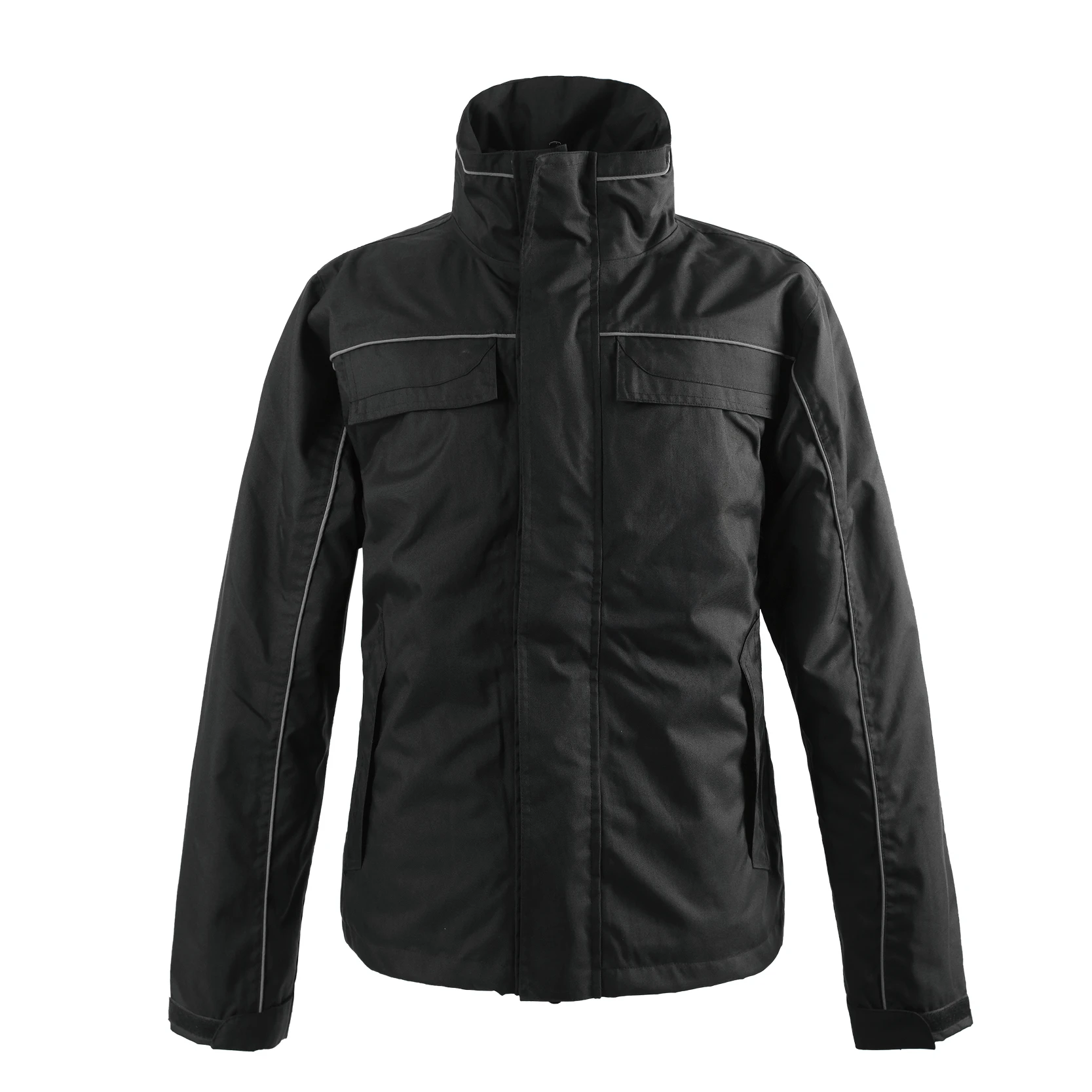
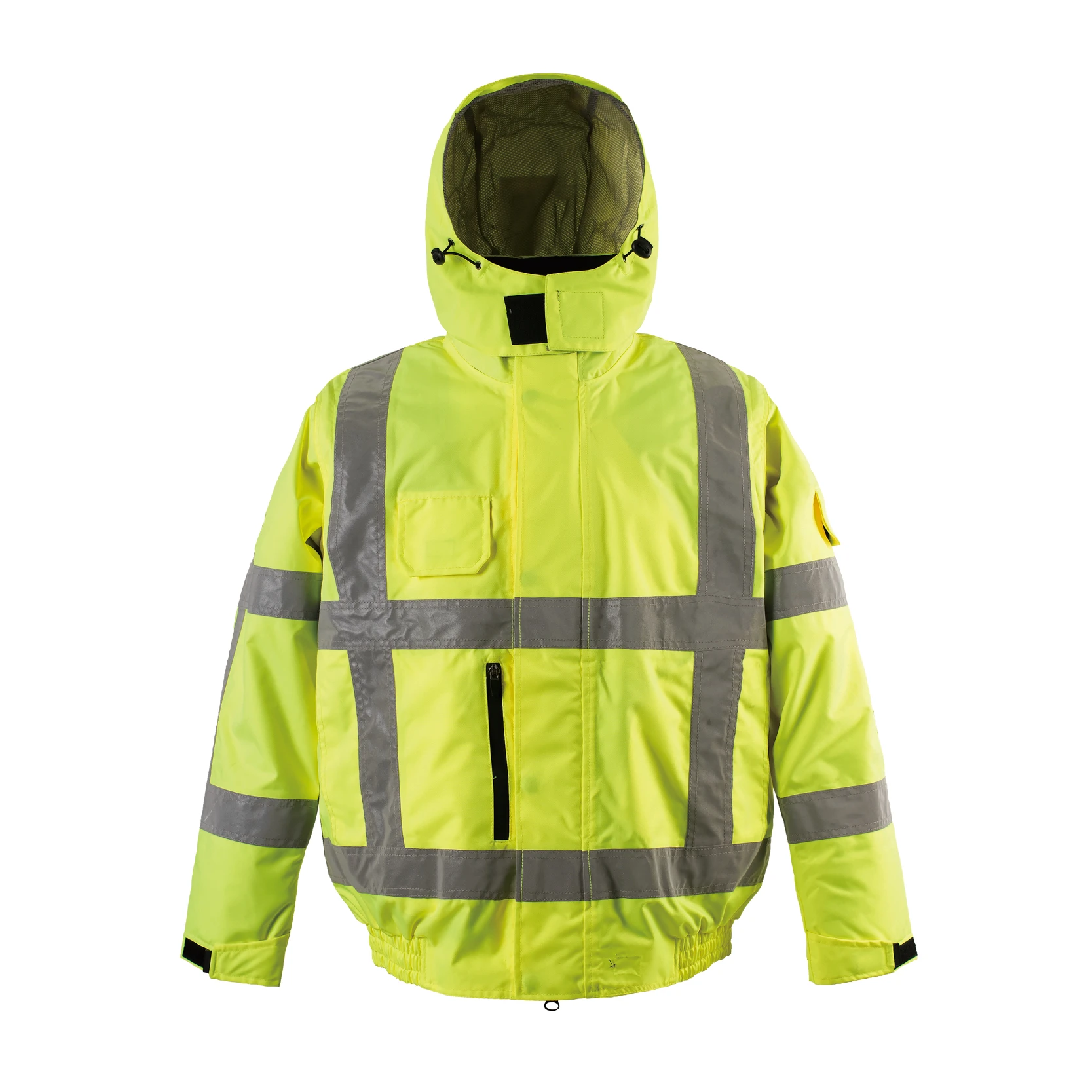
A high visibility windbreaker isn’t your typical jacket. It’s designed to combine lightweight protection against wind with brightly colored, reflective materials to ensure the wearer stands out in low-light or hazardous conditions. Modern windbreakers use fluorescent fabrics in lime, orange, or yellow hues and integrate reflective strips aligned with international standards like ISO 20471 to guarantee compliance and visibility.
These garments have become a core element in industrial safety attire and humanitarian kits alike. For example, in disaster relief scenarios, responders often work at dusk or dawn or in areas with compromised infrastructure — situations where a high visibility windbreaker can make a life-or-death difference.
Key Features That Make High Visibility Windbreakers Stand Out
1. Durable, Weather-Resistant Materials
The fabric usually combines polyester or nylon blends treated with a water-repellent finish. This design choice keeps wearers comfortable during sudden weather shifts while maintaining vibrant colors and reflection. Durability is essential — everything from abrasion resistance to colorfastness counts.
2. Reflective Tape Placement & Compliance
Reflective tape positioning isn't random; it follows standards like ANSI/ISEA 107 and ISO 20471. This ensures visibility from all angles — 360 degrees — even under vehicle headlights or poor daylight. Proper placement near shoulders, torso, and arms helps in signaling movement to drivers or machine operators.
3. Lightweight and Breathable Construction
Comfort is more than a convenience; it impacts safety. Overheating or restricted movement can cause accidents. Hence, windbreakers balance windproofing with breathability, often integrating mesh liners or vent zones.
4. Functional Design Elements
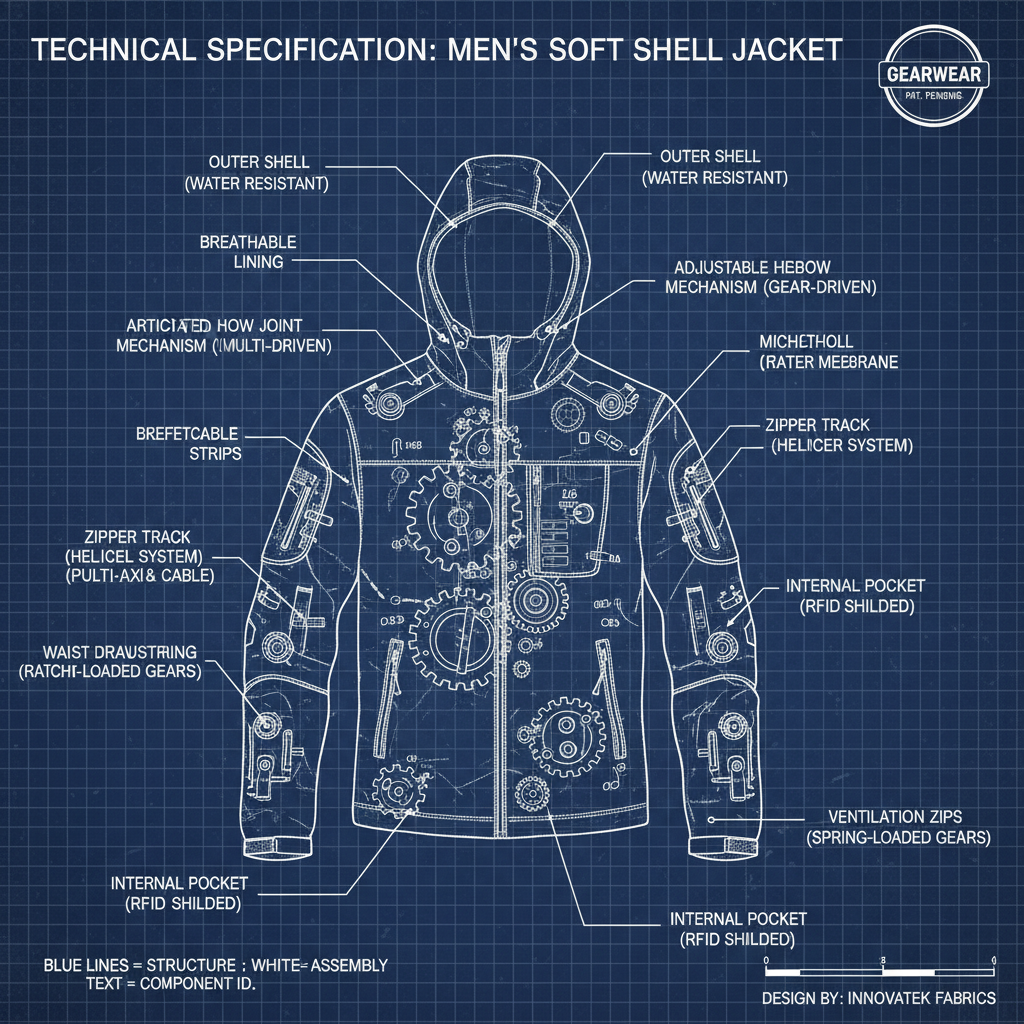
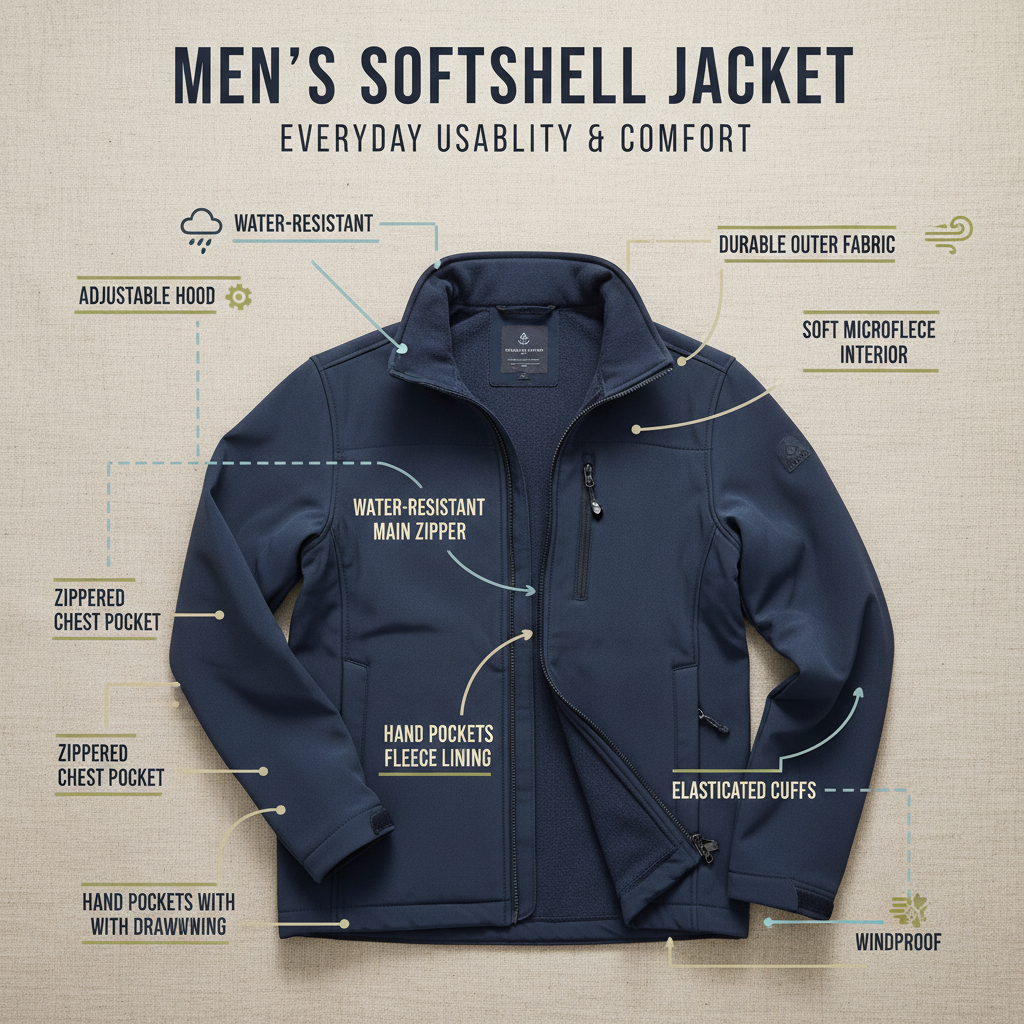
Adjustable cuffs, hoods, and zipped pockets enhance usability for diverse work environments. The ability to layer underneath without bulkiness is another practical consideration.
5. Cost Efficiency
Compared to bulkier jackets or full safety suits, windbreakers offer an affordable entry point for companies or NGOs needing reliable protection without breaking budgets.
Mini takeaway:
Ultimately, the best high visibility windbreakers blend safety, comfort, and compliance — marrying materials science with user needs.
Global Footprints: Where High Visibility Windbreakers Are Making a Difference
From North American road crews to European rail engineers, and Asian disaster relief teams to African mining operations, these windbreakers have a surprisingly broad reach. Some notable examples include:
- Post-disaster relief: Organizations such as the Red Cross outfit volunteers with easy-to-spot windbreakers for quick identification and safety during rescue efforts.
- Remote industrial zones: Mining or logging areas often present low-visibility challenges, requiring durable and highly visible apparel.
- Urban construction projects: Density and traffic necessitate windbreakers that help workers stay visible to vehicle operators and pedestrians alike.
This widespread application demonstrates how the high visibility windbreaker is a deceptively simple but critical tool — bridging comfort and safety under diverse global conditions.
Advantages & Long-Term Value of Investing in High Visibility Windbreakers
Why invest in a high visibility windbreaker? I mean, you could argue that other safety gear is more important, but the evidence suggests these garments reduce accident rates notably. Consider:
- Cost Reduction: Preventing accidents means fewer costly absences and legal liabilities.
- Sustainability: Many manufacturers now use recycled materials or environmentally friendly dyes, aligning with global pushes for greener industry.
- Social Impact & Trust: Workers feel safer and more valued in well-designed gear, boosting morale.
- Reliability: Windbreakers last through harsh conditions, saving money on frequent replacements.
For the wearer, it’s also about a subtle dignity — knowing that even in risky conditions, they have something that reflects care and professionalism.
Product Specification Table
| Specification | Detail |
|---|---|
| Material | 100% Polyester Ripstop with water-repellent coating |
| Reflective Tape | 3M Scotchlite reflective strips, compliant with ISO 20471 |
| Colors Available | Fluorescent Lime, Safety Orange, Safety Yellow |
| Weight | 250 grams (lightweight) |
| Sizes | S - 5XL |
| Features | Adjustable cuffs, detachable hood, two front zippered pockets |
How Do Different Vendors Stack Up?
| Vendor | Price Range | Certifications | Customization Options |
|---|---|---|---|
| BrightSafe Co. | $30 - $50 | ANSI/ISEA 107, ISO 20471 | Logo printing, color blends |
| WorkGuard Apparel | $25 - $45 | ISO 20471 | Limited colors, reflective tape patterns |
| SafeGear Pro | $35 - $60 | ANSI/ISEA 107, OEKO-TEX Standard 100 | Full custom branding, sizes up to 7XL |
Emerging Trends & Innovations in High Visibility Windbreakers
Here’s where things get exciting: companies are experimenting with smart textiles that incorporate LED strips or photoluminescent fibers for enhanced night visibility. There’s also a push toward circular economy models — recycling plastic bottles into polyester windbreaker fabric (which feels strangely satisfying, reusing waste like this).
On the policy side, bodies like the European Union are proposing tighter regulations mandating even higher reflectivity and environmental manufacturing standards by 2027, pushing vendors and buyers alike to rethink their selections.
Common Challenges and How Industry Leaders Are Addressing Them
Some windbreakers, especially cheaper models, struggle with the balance between breathability and wind resistance — they might protect well but feel stifling on warm days. Others face fading issues after repeated washing, which defeats the purpose of high visibility.
Innovations like antimicrobial coatings and UV-resistant dyes help extend garment life. And layered fabric designs with micro-ventilation zones cleverly keep cool, addressing past complaints from users in hot climates.
FAQ: What People Are Asking About High Visibility Windbreakers
- Q: How do I know my windbreaker meets safety standards?
A: Check for certifications like ISO 20471 or ANSI/ISEA 107 on product tags. Trusted brands will provide documentation or testing details. - Q: Can these windbreakers be customized with company logos?
A: Yes, most manufacturers offer custom printing or embroidery services to help organizations maintain branding without sacrificing safety. - Q: How do I care for a high visibility windbreaker to maintain reflectivity?
A: Follow manufacturer washing instructions carefully. Usually, gentle cold wash with mild detergents, no bleach or fabric softeners, and avoiding tumble drying extends reflective tape life. - Q: Are windbreakers suitable for cold weather?
A: They're typically wind and water resistant but not heavily insulated. For cold climates, layering with thermal garments underneath is recommended.
Wrapping Up: Why Your Next Safety Investment Should Be a High Visibility Windbreaker
There’s a comfy certainty in wearing something that simply helps you not get seen when things turn risky. Whether you're coordinating a roadside project in Ohio or aiding rescue efforts in Southeast Asia, the high visibility windbreaker functions as an unsung hero. It's lightweight, affordable, and designed with modern challenges in mind — blending durability, compliance, and comfort.
If you’re considering upgrading your safety gear, or maybe equipping your team for upcoming projects, do explore the options at high visibility windbreaker suppliers who blend quality with innovation. After all, visibility is safety — plain and simple.