
What Exactly is a High Visibility Waistcoat—and Why Does It Matter?
At first glance, a high visibility waistcoat might just seem like neon fabric and reflective strips thrown together. But in reality, it's a lifesaving garment that has steadily become a global necessity—especially in hazardous work environments and emergency settings. Fast facts: the International Labour Organization estimates that over 2.3 million people worldwide die annually from work-related accidents or illnesses, many preventable by better safety practices and gear. Here’s where the humble high visibility waistcoat steps in. It boosts worker visibility dramatically, reducing accidents, enhancing safety, and even supporting humanitarian efforts in disaster zones.
Understanding these waistcoats is more than just about safety vests; it’s about how simple technology meets complex global challenges like urbanization, industrial growth, and environmental emergencies.
High Visibility Waistcoat: A Safety Cornerstone in Modern Industry
Why the buzz? Because globally, industries are increasingly focused on safety compliance, and regulatory bodies like ISO and ANSI have sharpened their visibility standards. For example, ISO 20471 outlines requirements for high-visibility clothing, pushing manufacturers and employers to take notice. Roads are busier, construction sites more crowded, and work zones never more dangerous. In the EU alone, workplace accidents cost billions yearly. The waistcoat acts not just as safety gear but as a communication tool—it says, “Look out, I’m here.”
Unfortunately, many workplaces and relief workers still overlook the simplest precautions, which can have dire consequences. It’s a challenge the global safety community is continuously trying to overcome, making the humble high visibility waistcoat a surprisingly powerful piece of gear.
Defining the High Visibility Waistcoat
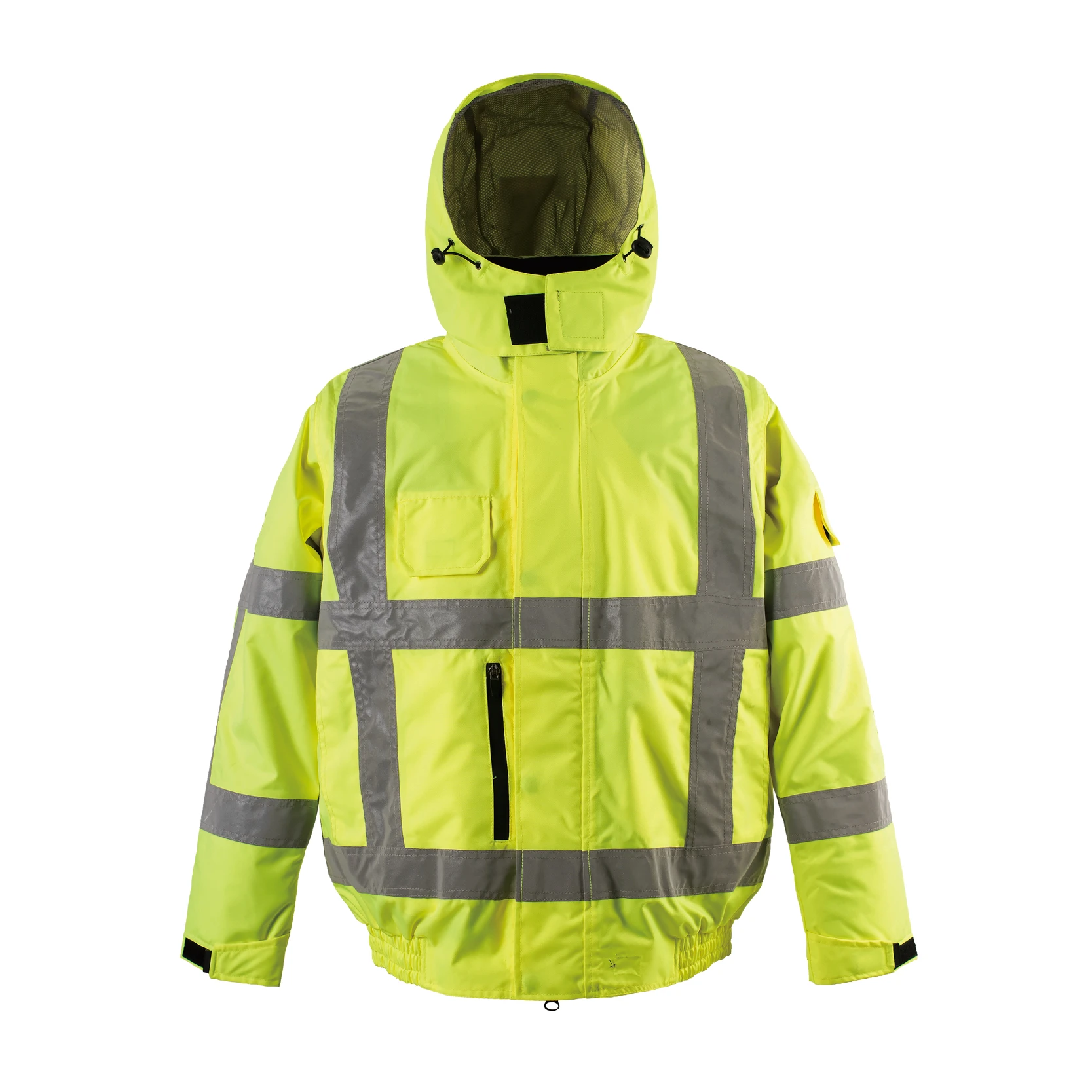
Simply put, a high visibility waistcoat is a brightly colored vest—usually fluorescent yellow, orange, or red—made with reflective tape positioned strategically to catch light from headlights or spotlights. It is worn over clothing to maximize visibility during day and night times. Usually crafted from breathable polyester mesh or heavier-duty fabric, these waistcoats fulfill the fundamental purpose of making the wearer stand out.
Its origins trace back to occupational safety for road workers and construction crews but have since expanded to emergency responders, warehouse teams, and even event staff. Nowadays, a high visibility waistcoat is a core PPE (Personal Protective Equipment) item that links safety readiness with compliance and social responsibility.
Why This Matters beyond Factories and Roads
Oddly enough, high visibility waistcoats have found their way into humanitarian uses too. From earthquake relief zones in Nepal to flood rescue teams in Southeast Asia, the waistcoat serves as a beacon amid chaos. In environments where rapid identification is crucial, particularly at nighttime or under poor weather conditions, these waistcoats can save precious seconds and lives.
Key Factors That Make a High Visibility Waistcoat Effective
1. Durability and Fabric Quality
Most experts emphasize that durability is key. For a garment already exposed to dirt, abrasion, and harsh weather, how it holds up really determines reliability. Usually, manufacturers opt for polyester fabrics with tear-resistant qualities. Mesh options allow breathability during hot climates, which is no small thing if sweating can cause discomfort or distractions.
2. Reflective Tape and Visibility Standards
Reflective tape placement is an art and science in itself. Standards like ANSI/ISEA 107 dictate where and how wide these strips should be to optimize visibility under vehicle headlights or artificial light. Retroreflective materials bounce light straight back to its source, making the wearer seem like a glowing figure. Placement around the torso and shoulders ensures 360-degree visibility, essential on busy sites.
3. Design and Fit
Comfort matters and, frankly, a loose, poorly fitting waistcoat often ends up unused or worn improperly. Tailored cuts, adjustable straps, and breathable fabrics help workers keep the garment on for the full shift, not just the start. Some waistcoats even sport pockets or ID holders to balance utility and visibility.
4. Compliance and Certification
In many industries, simply having a bright vest is not enough. Compliance with local regulations—ISO, ANSI, EN standards—ensures the waistcoat meets strict requirements including minimum luminance and durability thresholds. Manufacturers often provide certificates or test reports, lending peace of mind to safety managers.
5. Cost Efficiency and Replacement Cycle
While cheaper waistcoats flood the market, they often lack longevity or reflectivity. Finding a balance between upfront investment and long-term replacement costs is crucial. A high-quality waistcoat might cost more but lasts through multiple wash cycles and still sparkles when it counts.
Where in the World Are High Visibility Waistcoats Making a Real Difference?
Globally, the applications are widespread. Construction remains the largest sector, especially in booming regions like China, India, and the Middle East, where massive infrastructure projects continue at pace. In Europe and North America, strict workplace safety laws drive demand.
More intriguingly, humanitarian operations are emerging heavy users—imagine UN disaster response teams in Haiti or African NGOs providing infrastructure repairs amid unstable zones. Also, rail and airport personnel worldwide rely heavily on these waistcoats to ensure operational safety under demanding conditions.
Anecdote: In a recent Southeast Asian flood relief effort, workers credited high visibility waistcoats with preventing several near-miss accidents during night-time hazard assessments. It might sound small but in disaster zones, every tool counts.
The Payoff: Tangible Benefits of High Visibility Waistcoats
- Safety: Directly reduces accidents and fatalities caused by poor visibility.
- Cost Savings: Fewer incidents mean lower insurance premiums, downtime, and legal costs.
- Sustainability: Durable waistcoats made with eco-friendly materials cut down on waste.
- Social Impact: Promotes a culture of safety and protects vulnerable workers worldwide.
- Confidence: Workers feel cared for, which boosts morale and productivity.
Frankly, investing in proper high visibility waistcoats is a no-brainer for businesses and relief organizations alike.
Emerging Trends in High Visibility Waistcoats
The future feels promising. Think smart textiles: embedded LEDs that pulse or change color to warn others; solar-powered reflective patches; materials derived from recycled plastics. Some smart waistcoats sync to wearable sensors tracking health or location, critical in remote sites. Governments and regulators increasingly encourage such innovation, understanding that these advances help meet rising safety stakes and sustainability goals.
Challenges—and How Experts Suggest We Overcome Them
Not everything is rosy. Common issues include:
- Non-compliance by workers for comfort or style reasons.
- Difficulty in maintaining the cleanliness and reflectivity after extended use.
- Cost concerns, especially for small or underfunded organizations.
Solutions often recommended involve better worker education, improved textile technologies that resist grime, and tiered product options so everyone can afford some level of protection. Also, customizations to local climates or job needs prevent “one-size-fits-none” scenarios.
Product Specifications at a Glance
| Specification | Detail |
|---|---|
| Material | Polyester mesh / 100% polyester fabric |
| Color | Fluorescent yellow-green, Orange, Red |
| Reflective Tape | Silver retroreflective, 5 cm width |
| Standards | ANSI/ISEA 107 Class 2, ISO 20471 Class 2 |
| Sizes | S to 5XL, adjustable side straps |
| Care | Machine washable, no bleach, low temp dry |
Vendor Comparison: Which Supplier Fits Your Needs?
| Feature | Jide Garment | Competitor A | Competitor B |
|---|---|---|---|
| Compliance Standards | ANSI/ISEA, ISO 20471 | ANSI/ISEA only | EU EN standards |
| Material Quality | High-grade polyester mesh | Standard polyester | Mixed fabrics |
| Customization Available | Yes - logo, size, pockets | Limited | No |
| Lead Time | 2-3 weeks | 1-2 weeks | 3-4 weeks |
| Price Range | $$ | $ | $$$ |
FAQs: Your Top Questions About High Visibility Waistcoats Answered
Q1: How do I know if a high visibility waistcoat complies with safety regulations?
A: Look for labels referencing ANSI/ISEA 107 or ISO 20471. These standards guarantee that the vest meets visibility, retroreflectivity, and durability criteria. Suppliers should provide certification documents upon request.
Q2: Can I customize these waistcoats with my company logo or additional pockets?
A: Absolutely. Many manufacturers, including Jide Garment, offer customization options. Logos, reflective strip placement, and additional pockets can be tailored to your needs without compromising compliance.
Q3: What’s the typical lifespan of a high visibility waistcoat under daily use?
A: Depending on usage and care, high visibility waistcoats last between 6 to 12 months. Some durable models extend usage up to 18 months, especially if properly maintained.
Q4: Are high visibility waistcoats suitable for all weather conditions?
A: Many are designed with breathable fabrics for hot climates and heavier materials for colder settings. Waterproof options exist but may impact breathability, so be sure to choose based on your working environment.
Q5: How can NGOs and relief agencies import these waistcoats internationally?
A: Established suppliers streamline export logistics and provide relevant documentation to ease import processes. It’s often best to partner with vendors experienced in global distribution like Jide Garment.
Wrapping It All Up
In real terms, high visibility waistcoats are much more than flashy attire. They’re simple, yet sophisticated lifesavers—melding tech, standards, and real human need. Whether you’re managing a construction crew in a bustling city or coordinating refugee relief in remote lands, the right waistcoat can tip the balance from disaster to safety.
So, if you’re ready to invest in safety that’s proven, cost-effective, and globally trusted, don’t hesitate to explore options like those at Jide Garment. Because safety isn’t just about gear—it’s about people.
Mini Takeaways:
- High visibility waistcoats save lives by boosting worker visibility.
- Quality, compliance, and fit are non-negotiable factors.
- Use cases range from industrial sites to global humanitarian missions.
- Innovation is driving next-gen smart and sustainable safety gear.