
What Is a High Visibility Vest and Why It Matters Worldwide
At first glance, a high visibility vest might seem like just another piece of workwear — a simple garment you put on to stay seen. But behind that bright neon fabric is a global safety revolution. These vests aren’t just about looking flashy; they’re critical tools in saving lives, reducing accidents, and enhancing operational efficiency in industries spanning from construction all the way to humanitarian aid.
Around the world, millions rely on these vests daily. Whether you’re a highway worker directing traffic in the dead of night or a disaster relief volunteer coordinating aid in chaotic environments, that sleek fluorescent safety vest holds more weight than many realize. It’s both a beacon and a barrier — keeping you visible when visibility matters most.
The Global Role of High Visibility Vests in Safety and Efficiency
According to the International Labour Organization (ILO), over 2.3 million people die each year due to occupational accidents and diseases — a staggering number that no one can ignore.1 The World Health Organization (WHO) adds that road traffic accidents alone cause nearly 1.35 million deaths annually, with many of those preventable through simple safety measures.2 Here’s where the humble high visibility vest steps in. Its use is mandated by various standards worldwide, such as ISO 20471, recognizing that visibility reduces accidents and helps maintain safe work environments.
The challenge, of course, lies in the diversity of environments—from blazing deserts to fog-covered harbors—where visibility can quickly become a challenge. This is a garment built not just to shine under ideal conditions but to perform in demanding, real-world situations.
What Exactly is a High Visibility Vest?
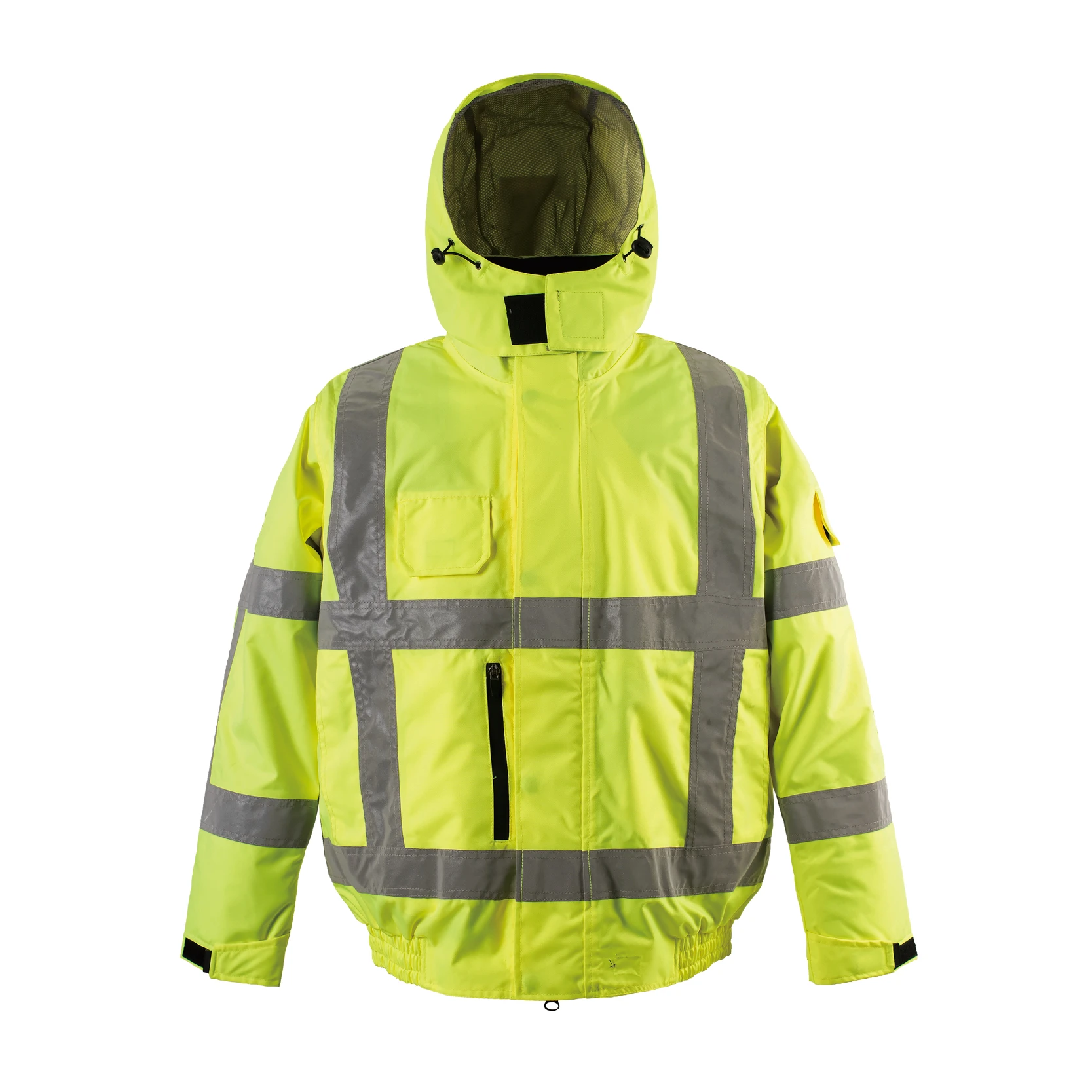
Simply put, a high visibility vest is a safety garment made of fluorescent and reflective materials designed to make the wearer stand out against their environment, day or night. Bright yellows, oranges, and sometimes greens are standard, often complemented with reflective strips that light up under headlights or work lamps.
But beyond its fluro flair, it’s a practical necessity in industries like construction, logistics, emergency services, and even agriculture. It can mean the difference between being noticed and being overlooked. Oddly enough, it’s one of those silent safety heroes we don’t often think about until we need it — then, suddenly, it’s indispensable.
Core Components That Make a Great High Visibility Vest
1. Material Durability
Durability isn’t just about long-lasting fabric — though it’s certainly important. It’s about withstanding abrasion, exposure to chemicals, and all-weather wear. Most quality vests rely on polyester blends with reinforced stitching. Many suppliers also treat their fabrics for water and stain resistance, because a stained vest is an invisible vest in practice.
2. Visibility and Reflectivity
Fluorescent colors catch daylight, while retroreflective tape bounces light back at night. The placement of these strips is essential — chest, back, shoulders, and sides all get coverage to ensure 360-degree awareness.
3. Comfort and Fit
Layers of fabric can get hot and restrictive. The best vests balance breathability with protection. Mesh panels or adjustable sizing systems help users feel comfortable for long shifts. After all, if it’s uncomfortable, someone might ditch it when they shouldn’t.
4. Compliance and Certification
Standards like ISO 20471 and ANSI/ISEA 107 provide the blueprint for performance. Buyers and procurement teams look for certification labels to ensure safety claims hold water, especially in high-risk sectors.
5. Cost Efficiency
Quality doesn’t have to break the bank. Manufacturers optimize materials and production to create affordable options—because safety gear that nobody can afford is safety gear unused.
Real-World Uses: High Visibility Vests Across Industries and Regions
The practical reach of high visibility vests stretches globally and across sectors. In the energy industry, maintenance crews working on offshore rigs must stay visible amid heavy machinery and poor weather. Construction workers on urban highways rely on their vests to remain safe from speeding vehicles and distracted drivers.
In humanitarian contexts, imagine disaster relief teams rushing into flood zones or earthquake sites. Here, the vest becomes more than high visibility — it’s also a means of quick identification among chaos, helping coordinate rescue efforts efficiently. The Red Cross and similar organizations often mandate these for volunteers and staff alike.
Interestingly, certain technology companies now outfit their drone operators and technicians with such vests during large infrastructure projects to comply with safety protocols.
Regions with emerging industrial sectors, such as Southeast Asia and parts of Africa, are seeing increased adoption as safety standards rise with economic growth. Even farmer co-ops are starting to incorporate these, especially around busy farm machinery.
Advantages and Long-Term Value: Beyond the Neon Glow
When you strip it down, the true value of a high visibility vest lies in enhanced human safety. Financially, preventing even a single accident can save companies millions in medical costs, insurance, and lost man-hours. Socially, it protects dignity and reduces the trauma associated with workplace injuries.
The environmental angle — often overlooked — is gaining traction too. Some manufacturers now produce vests using recycled fabrics or biodegradable components. This sustainability shift feels like a small but meaningful step towards eco-friendly work gear.
Emotionally, for frontline workers, it’s a visible sign of care and acknowledgment by employers. There’s a trust built into the idea: "We took the time and effort to keep you safe." And that, oddly enough, can improve morale and job performance.
What’s Next? Innovations on the Horizon for High Visibility Vests
Recent advances are pushing the envelope. Smart vests embedded with LEDs and GPS trackers enable real-time location monitoring — great for hazardous sites where workers risk getting lost or trapped. Also, adaptive fabrics that change reflectivity based on lighting conditions could be a game-changer.
Sustainability remains a frontier too. Some brands experiment with biodegradable tape and plant-based dyes, aligning with circular economy principles. Digital integration, say through QR codes sewn onto vests, might streamline inventory management and compliance checks.
Overcoming Challenges with Practical Solutions
Not every vest is perfect. Sometimes they’re too bulky or fade quickly, leading to underuse. In dusty or oily environments, reflectors can get obscured, and sizing can be a pain point for diverse body types. Luckily, manufacturers listen.
Flexible sizing options, improved materials tested for harsh conditions, and modular designs make modern vests far more user-friendly. Meanwhile, training and education campaigns emphasize consistent vest use — no outfit adjustment should ever be a safety compromise.
High Visibility Vest: Your FAQs Answered
- What materials make the most effective high visibility vests?
- Most effective vests combine fluorescent polyester fabrics with high-quality retroreflective strips. Polyester offers durability and breathability, while the reflective tape ensures visibility during low-light conditions, essential for safety.
- How do high visibility vests comply with international safety standards?
- Vests typically follow standards like ISO 20471 (international) or ANSI/ISEA 107 (US). These dictate minimum requirements for color brightness, reflective surface area, and garment design to ensure consistent levels of visibility and performance.
- Can high visibility vests be customized for specific industries?
- Yes, customization is common. Companies may add logos, incorporate additional pockets, or use special materials (like flame-resistant fabrics) to meet industry-specific safety and functional needs.
- What are effective ways to maintain and prolong vest life?
- Regular washing with mild detergents, avoiding bleach, and proper storage out of direct sunlight help maintain the fluorescent colors and reflective qualities. Inspecting for tears or worn tape ensures timely replacement.
- Are there eco-friendly options for high visibility vests?
- Absolutely. Some manufacturers produce vests from recycled fabrics and biodegradable materials, aiming to reduce environmental impact while maintaining safety standards.
Comparing Popular High Visibility Vests: Features and Vendors
| Feature | Basic Vest | Premium Reflective Vest | Smart LED Vest |
|---|---|---|---|
| Material | Polyester mesh | Water-resistant polyester | Polyester with embedded circuits |
| Reflective Tape | Standard 3M strips | Enhanced retroreflective bands | LED strips + reflective tape |
| Certification | ISO 20471 Class 1 | ISO 20471 Class 2 | ISO 20471 Class 3 + FDA Compliant |
| Features | Basic safety | Waterproof, extra pockets | GPS tracking, battery powered |
| Price (approx.) | $10–$15 | $30–$45 | $120–$150 |
Quick Vendor Comparison for High Visibility Vests
| Vendor | Product Range | Customization Options | Sustainability Initiatives | Lead Time |
|---|---|---|---|---|
| Jide Garment | Standard & premium vests | Logo, size, fabric | Recycled fabrics option | 2-3 weeks |
| SafeWear Co. | Wide - including smart vests | Full custom branding | Biodegradable trims | 3-4 weeks |
| VisibilityPro | Basic and mid-range | Limited | Standard materials only | 1-2 weeks |
Interested in quality, affordable, and customizable high visibility vests? Consider checking out high visibility vest options that blend safety, comfort, and modern design.
Wrapping It All Up
High visibility vests might not turn heads on fashion runways, but in the safety world, they’re indispensable. From saving lives on construction sites to coordinating disaster relief, their role is tangible and profound. Looking ahead, expect smarter fabrics, sustainable innovations, and even more user-friendly designs—so that visibility becomes second nature, not an afterthought.
If you haven’t started prioritizing high visibility vests in your safety gear lineup, now’s a great time to jump in. Remember, investing in visibility is investing in life itself.
For tailored, certified, and reliable high visibility vest products, visit https://www.jidegarment.com and discover how the right vest can brighten your safety efforts.