
Why High Visibility Short Sleeve Shirts Matter Globally
If you've ever worked on a busy construction site, managed roadside repairs, or been involved in large-scale event security, you probably know the value of those bright, quick-to-spot shirts. High visibility short sleeve shirts aren't just about looking flashy—they're a vital piece in the puzzle of keeping workers safe worldwide. From cold northern winters to humid tropical summers, these shirts play a consistent role in reducing accidents and boosting workplace confidence. Considering that the International Labour Organization (ILO) estimates over 2.3 million people die annually from workplace-related accidents or diseases, it's clear—visibility is much more than fashion; it is lifesaving.
Understanding what makes high visibility short sleeve shirts effective helps industries optimize safety protocols and comply with global standards. Plus, they come with surprising benefits like breathability, durability, and even a touch of style—because who says safety gear can't look good?
Global Context: Why Visibility Continues to Be a Critical Issue
The World Bank reported that road and workplace accidents cost countries billions of dollars—not to mention the devastating human toll. As industrialization spreads — particularly in developing nations — the demand for better safety gear sharpens. High visibility apparel, especially short sleeve versions for warmer climates, bridges a crucial gap. They help manage visibility challenges in sectors like construction, transportation, and emergency response globally.
However, the challenge remains: how to balance visibility with comfort? And how do manufacturers meet diverse regulatory demands from ISO standards to local safety norms? This conundrum has pushed innovation in fabrics, design, and supply chains.
What Exactly Are High Visibility Short Sleeve Shirts?
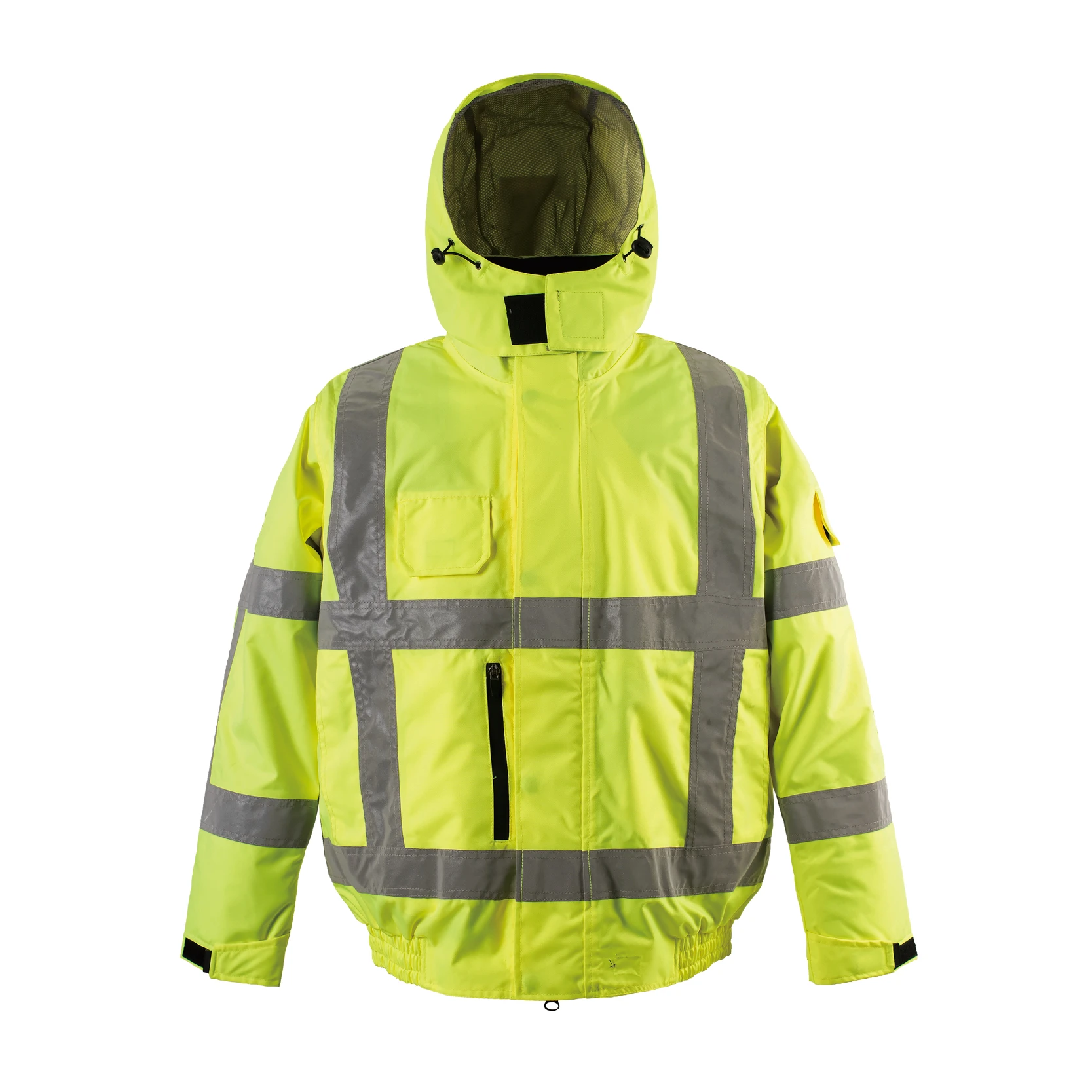
Simply put, high visibility short sleeve shirts are work tops made from fluorescent, reflective materials designed to make the wearer stand out in various environments. Their short sleeve design responds to warm or variable climates, offering more breathability than long sleeve options while maintaining safety compliance.
They typically combine neon colors like yellow or orange with reflective stripes compliant with standards such as ANSI/ISEA 107 or EN ISO 20471. This blend ensures individuals are noticeable from afar or in low-light conditions, whether on a city street or in remote industrial zones. Plus, their lightweight structure suits practical work demands without compromising safety—a balancing act many industries rely on.
Core Components That Make These Shirts Effective
Durability
It's easy to dismiss these shirts as just bright fabric, but many incorporate ripstop or moisture-wicking materials that withstand harsh work environments. UV resistance, tear resistance, and wash fastness are often tested rigorously — some garments going through 50+ industrial washes without significant fading or degradation.
Comfort & Breathability
Heat stress is a real workplace hazard. These short sleeve shirts typically use polyester blends engineered for ventilation and moisture control. This makes workers more willing to wear them correctly, a surprisingly underrated safety factor.
Compliance with Safety Standards
In real terms, these shirts comply with regulations ensuring minimum reflective tape surface area and brightness. Depending on the industry, they fall within Class 2 or Class 3 high visibility categories, with reflective elements strategically placed around the torso and sleeves.
Cost Efficiency
While some might balk at initial prices, durability and ease of maintenance usually lower total cost of ownership. Many companies conduct lifecycle cost analysis—shifting from disposable to reusable garments saves money and reduces environmental impact.
Customization Options
Oddly enough, many organizations want their high visibility shirts to reflect corporate identity without losing function. From color variants to logo placements, customizable solutions help workers feel part of a team while staying safe.
Product Specification Example
| Specification | Typical Value |
|---|---|
| Fabric Material | 100% Polyester, mesh knit |
| Color Options | Fluorescent Yellow, Orange |
| Reflective Tape | Silver microprismatic tape, 3M compliant |
| Sizes | S - 5XL |
| Weight | 150 g/m² |
| Compliance | ANSI/ISEA 107-2020 Class 2 / EN ISO 20471 Class 2 |
Mini Takeaway: Practical safety requires much more than bright colors. It's a thoughtful design process balancing durability, standards, and user comfort.
Global Applications & Who Benefits Most
In real terms, high visibility short sleeve shirts are everywhere—from the highways of the U.S. to industrial zones in Southeast Asia and the mining operations of Australia. Emergency responders, utility crews, airport ground staff, and even warehouse workers rely on them daily.
For example, during post-disaster relief efforts in coastal regions prone to cyclones, aid volunteers benefit hugely from breathable, visible short sleeve shirts amid humid conditions. In remote desert mines, bright shirts prevent accidents where dust storms impair visibility. Governments and NGOs increasingly see them as a simple yet effective safety intervention.
Interestingly, they also find use in more unexpected areas — festival staff working night shifts or cycling courier teams — anywhere safety depends on standing out without a bulky jacket.
Advantages & Long-Term Value
- Safety First: Enhanced visibility reduces injury risks and fatalities.
- Cost Savings: Durable fabrics mean fewer replacements.
- Sustainability: Reusable garments reduce landfill waste and resource consumption.
- Social Impact: Workers feel safer and more valued, which boosts morale and productivity.
- Trust & Innovation: Organizations selecting latest compliant fabrics position themselves as safety leaders.
So yeah, it’s not just about prevention—there’s a human dignity side too. Bright shirts shout out “you matter” in noisy, risky workplaces.
Future Trends and Innovations
The future of high visibility apparel is exciting—and not just because of new fluorescent shades. Think eco-friendly dyes replacing toxic chemicals, smart textiles using sensors to signal worker status, or reflective fabrics embedded with nano-particles for increased durability.
Automation in garment production also promises cost reductions, making high spec gear accessible for small firms. Meanwhile, policymakers may tighten standards to include more ergonomic and environmental aspects — prompting a wave of redesigns.
It feels like the intersection of digital and green tech will rewrite the playbook on visibility clothing over the next decade. Stay tuned.
Challenges & How To Overcome Them
One common challenge: balancing adequate reflectivity without overheating the worker. Some fabrics can feel plasticky or trap heat, which tends to discourage use. Thus, manufacturers must innovate breathable, moisture-wicking blends that pass both wearability and visibility criteria.
Another issue is inconsistent global standards, which confuse buyers and complicate supply chains. Forward-thinking vendors provide clear compliance certifications and training on correct wear, which greatly improves effectiveness.
Finally, cost barriers for small companies in developing regions can restrict access. Multi-stakeholder projects combining subsidies and local manufacturing offer promising solutions, lifting safety without breaking budgets.
Vendor Comparison: Key Players and Their Offerings
| Vendor | Materials | Price Range | Compliance | Customization |
|---|---|---|---|---|
| BrightWear Co. | Polyester mesh, microprismatic tape | $15 - $30 | ANSI/ISEA 107, EN ISO 20471 | Logo printing, color options |
| SafeGear Solutions | Recycled polyester blend | $20 - $35 | EN ISO 20471 Class 3 | Custom reflective patterns, badges |
| VisiPro Apparel | Lightweight poly-cotton mesh | $12 - $25 | ANSI Class 2 | Basic color and size sets |
FAQ: All About High Visibility Short Sleeve Shirts
Q1: What makes high visibility short sleeve shirts better than long sleeve alternatives in warm climates?
A1: In hot environments, short sleeves improve breathability and worker comfort, reducing heat stress while maintaining visibility. They allow freer movement and better moisture evaporation, which encourages workers to keep the safety gear on longer, increasing effectiveness.
Q2: How long do these high visibility shirts typically last under heavy industrial use?
A2: With proper care, many high visibility short sleeve shirts last up to one or two years in demanding settings, often enduring 50+ industrial wash cycles without losing their reflective properties or color vibrancy.
Q3: Are all high visibility short sleeve shirts compliant with international safety standards?
A3: Not necessarily. Buyers must verify compliance with local or global standards such as ANSI/ISEA 107 or EN ISO 20471. Legitimate vendors provide certification details and conduct performance testing to ensure standard requirements are met.
Q4: Can these shirts be customized for branding without compromising visibility?
A4: Yes. Most manufacturers allow logos and text printing on approved areas, ensuring the added graphics do not reduce the effective reflective surface or fluorescent areas mandated by standards.
Q5: Where can I buy reliable high visibility short sleeve shirts?
A5: For reliable products, it’s best to consult established vendors who provide certified compliance and custom options. Our website offers curated selections suitable for various industries.
Wrapping It All Up
High visibility short sleeve shirts blend safety, comfort, and compliance into a garment that’s essential for workers worldwide. Their long-term value lies in accident prevention, worker dignity, and cost-effective durability. As technology advances and regulations evolve, these shirts will continue to get smarter, greener, and more user-friendly.
Interested in upgrading your team's safety gear? Visit our website for high visibility short sleeve shirts designed with the modern worker in mind.
References:
1. International Labour Organization (ILO) - ILO Safety and Health
2. World Bank - Global Road Safety Facility - Road Safety
3. ISO 20471: International Standard for High Visibility Clothing - ISO Standards