
An Introduction to High Visibility Safety Shirts: Why They Matter Worldwide
High visibility safety shirts might just be one of the unsung heroes in workplace safety across the globe. Whether on bustling construction sites, disaster relief zones, or busy roadways, these shirts serve a singular but vital purpose: keeping workers visible and safe. You might not think much about them on a daily basis, but understanding the importance of these garments reveals a lot about how industries protect people from preventable accidents, improve compliance, and even save lives.
Globally, according to the International Labour Organization (ILO), over 2.3 million people die annually from work-related accidents or diseases. A surprisingly significant portion of these could be mitigated with proper visibility gear like high visibility safety shirts. These shirts don’t just stand out because of their bold colors—they’re part of a larger safety culture backed by standards such as ISO 20471, helping reduce accidents and enhancing worker confidence.
Mini takeaway: High visibility safety shirts are a simple but effective tool addressing a major global issue: workplace safety.
Setting the Scene: The Global Context and Challenges
In industries ranging from transportation to emergency services, visibility is paramount. The UN’s Global Road Safety Report points out that poor visibility is a key contributor to a large percentage of vehicle collisions involving road workers and pedestrians. This risk factor extends to workers on-site in mines, factories, and warehouses — sometimes remote or poorly lit environments.
The challenge lies not only in designing shirts that are bright and reflective enough but also durable, comfortable, and practical for long working hours. Climate variability, wear-and-tear, and cost constraints continue to hamper adoption—especially in developing regions. For example, construction workers in the US face higher accident risks without adequate safety wear, while humanitarian workers in flood or disaster zones urgently need garments that maintain visibility in all weather conditions.
Mini takeaway: Worldwide safety challenges demand reliable, adaptable high visibility safety shirts to prevent accidents across environments and industries.
What Exactly Are High Visibility Safety Shirts?
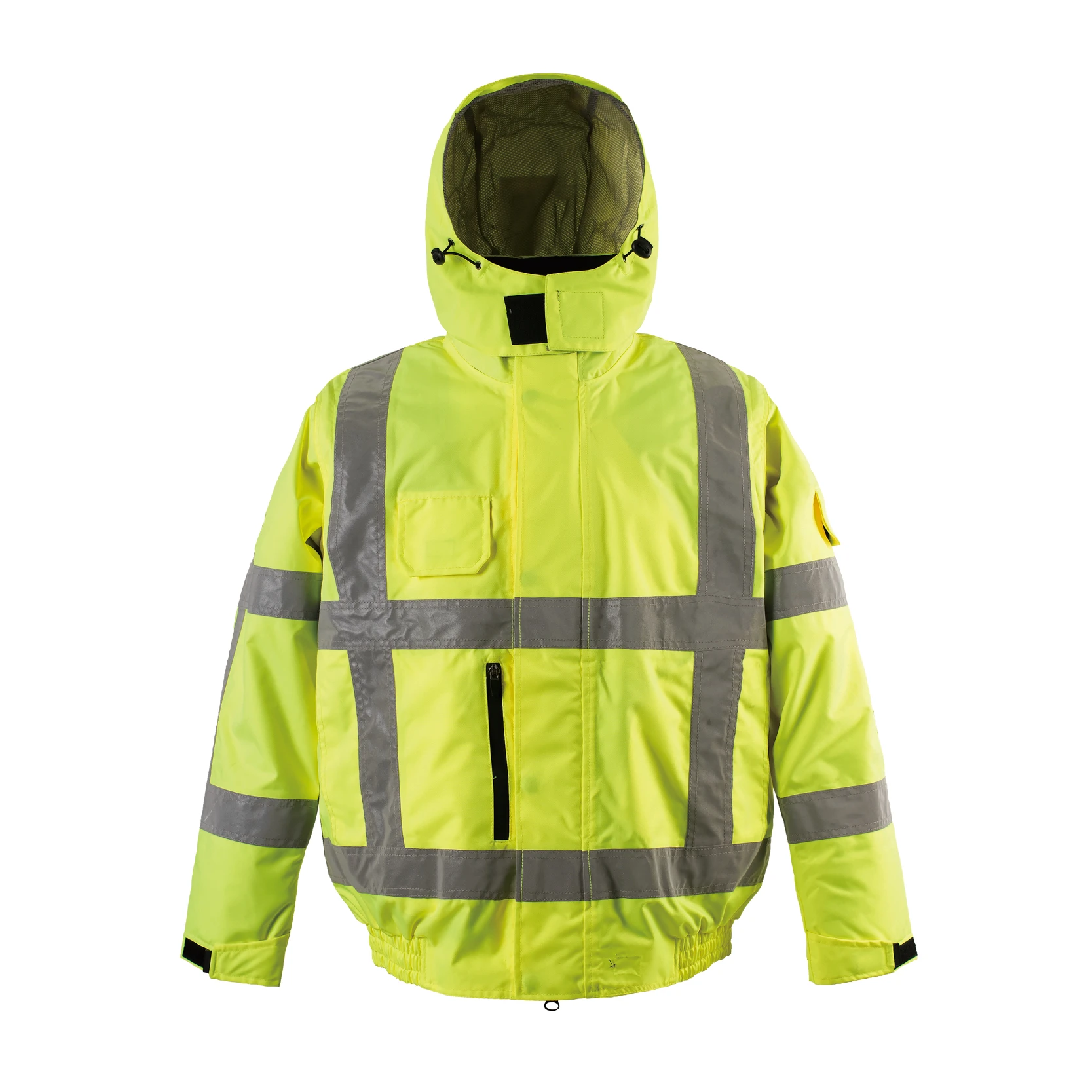
Simply put, high visibility safety shirts are garments made from vibrant fluorescent fabrics (often neon yellow, orange, or lime green) paired with retroreflective strips or tape. These design elements work together to ensure wearers are easily seen by drivers, machine operators, or coworkers from distances—even under poor lighting.
These shirts aren’t just “bright clothes.” They’re tested to international standards like ISO 20471, guaranteeing colorfastness, reflectivity, and durability to stand up to real-world use. Modern safety shirts also factor in breathability, moisture-wicking, and sometimes even flame-resistant properties for specific industries like petrochemical or firefighting sectors.
Mini takeaway: High visibility safety shirts combine vibrant fabrics and reflective materials compliant with strict safety standards to protect workers globally.
Key Factors That Make High Visibility Safety Shirts Work
1. Material Durability
Rough terrains and daily wear test these shirts relentlessly. Fabrics used usually combine polyester for wear resistance and cotton blends for comfort. Some shirts incorporate ripstop or antiabrasion coatings, enabling longer life and sustained visibility.
2. Reflective Tape Quality
Reflective strips are often made from glass bead or microprismatic materials. High-quality tapes reflect light back toward the source, even in low-light or changing weather conditions. This small feature hugely impacts safety margins.
3. Comfort & Fit
Oddly enough, worker compliance sometimes hinges on comfort. Lightweight, breathable fabrics help prevent overheating, especially in summer or tropical zones, encouraging regular wear.
4. Compliance with Standards
Meeting or exceeding standards such as ANSI/ISEA 107 (US) or EN ISO 20471 (Europe) ensures legal and safety adherence. This matters for liability protection and procurement policies.
5. Cost Efficiency
Price plays a practical role—especially for large organizations supplying hundreds or thousands of shirts. Balancing upfront investment and longevity is key.
6. Customization & Branding
Many vendors now offer customization options like logos, color combos, and sizing, which help companies foster identity alongside safety protocols. Plus, personalized shirts encourage ownership among workers.
Mini takeaway: From fabric life to fit and reflectivity, several technical and human factors shape the effectiveness of high visibility safety shirts.
How Different Regions and Industries Use High Visibility Safety Shirts
In North America and Europe, regulations tightly link compliance to these shirts — construction, utilities, and transport sectors commonly mandate them. You’ll find workers in highways, airports, and railroads sporting these bright garments daily.
In developing nations, NGOs distributing aid in conflict zones or natural disasters rely heavily on these shirts to keep field teams safe under hazardous conditions. In the Amazon rainforest, for instance, forestry workers use high visibility shirts to avoid dangerous encounters with machinery.
The oil and gas industry globally has adopted flame-resistant high visibility shirts for refinery workers, blending visibility and fire safety into one uniform. Meanwhile, airport ground staff wear reflective shirts to shine in early morning fog or nighttime operations.
Mini takeaway: The adaptability of these shirts across geographies and sectors illustrates their indispensability in making tough environments safer.
The Real Advantages: More Than Just Visibility
- Enhanced Safety: Fewer accidents mean fewer injuries and fatalities.
- Cost Savings: Reduced worker downtime and insurance premiums pay off long term.
- Social Impact: Empowering workers with dignity and confidence on the job.
- Environmental Benefits: New eco-friendly materials reduce waste and improve sustainability.
- Innovation Boost: Integration with smart fabric tech, sensors, or RFID chips for workplace monitoring.
It feels like a symbiosis: human life supported by smart textiles, evolving with industry needs—but the emotional comfort that someone “sees you out there” can be just as powerful as any cold statistic.
Product Specification Table: Example High Visibility Safety Shirt
| Feature | Specification |
|---|---|
| Material | 65% Polyester / 35% Cotton (Ripstop) |
| Color | Fluorescent Lime Green |
| Reflective Tape | Microprismatic, 3M Scotchlite™ |
| Standards Complied | ANSI/ISEA 107-2020, ISO 20471 |
| Weight | 180 gsm |
| Additional Features | Breathable mesh panels, Customizable logos |
Vendor Comparison: Leading Suppliers of High Visibility Safety Shirts
| Vendor | Price Range | Standards Met | Customization | Lead Time |
|---|---|---|---|---|
| SafeWear Inc. | $25 - $40 | ANSI/ISEA 107, ISO 20471 | Logos, Color Options | 2-3 Weeks |
| BrightGuard Solutions | $30 - $50 | ISO 20471, EN 471 | Reflective Tape Placement | 1-2 Weeks |
| Jide Garment Co. | $20 - $35 | ANSI/ISEA 107, ISO 20471 | Custom Logos, Sizes | 2 Weeks |
Looking Ahead: Innovations and Trends in High Visibility Safety Shirts
Frankly, the future looks bright—literally—with integration of smart textiles that can change color under various light levels or embed sensors to detect fatigue or exposure hazards. Sustainability is a big push too; recycled polyester fibers and biodegradable coatings are becoming standard, aiming to reduce landfill waste from worn-out gear.
Additionally, digital transformation means inventory and compliance tracking linked directly to wearable IDs, improving accountability on massive projects. Automation-friendly designs also ease dressing up in cold weather, critical for winter highway crews.
Mini takeaway: High visibility safety shirts are evolving — smarter, greener, and more connected than ever before.
Challenges in Adoption and Practical Solutions
- Cost Barriers: High upfront costs slow procurement in smaller businesses.
- Wear & Tear: Harsh conditions degrade reflectivity; regular replacements needed.
- Worker Compliance: Discomfort or fashion concerns reduce regular use.
Experts recommend bulk purchasing and scheduled replacements to offset costs. Advanced fabric treatments can extend life, and scalable sizing with breathable materials increase worker willingness. Plus, training and safety culture building (rather than just enforcement) tends to work better for long-term adoption.
FAQ: High Visibility Safety Shirts
- What standards should a high visibility safety shirt meet?
- Look for ANSI/ISEA 107 in the US, or ISO 20471 internationally. These certify color brightness and reflectivity to ensure visibility in varied conditions.
- How often should these shirts be replaced?
- Generally, every 6-12 months depending on use intensity and fabric wear. Signs like fading fabric or cracked reflective tape signal replacement time.
- Can I customize high visibility shirts with company logos?
- Yes, many vendors, including Jide Garment Co., offer logo printing and color tailoring to uphold branding alongside safety.
- Are these shirts comfortable to wear in hot climates?
- Modern shirts use breathable, moisture-wicking fabrics with mesh panels to improve ventilation, making them suitable for tropical or summer conditions.
- Do high visibility shirts offer protection from hazards other than visibility?
- Some models come with flame resistance or anti-static materials for specific industry needs, but always check product specs before selecting.
Wrapping Up: Why High Visibility Safety Shirts Deserve Your Attention
All things considered, investing in quality high visibility safety shirts is more than buying clothing—it’s a commitment to worker safety, regulatory compliance, and operational excellence. The peace of mind that "someone sees you" on the job is priceless, and long-term benefits ripple out to families, companies, and communities.
Interested in sourcing reliable, standard-compliant high visibility workwear? Check out our comprehensive collections at https://www.jidegarment.com — because visibility saves lives, one shirt at a time.