
Why High Visibility Raincoats Matter Worldwide
So, what’s the big deal about a high visibility raincoat—and why should anyone beyond construction workers or road crews care? Quite simply, these garments serve one critical purpose: safety. They brighten up environments that are otherwise dark, wet, or chaotic, helping individuals stay visible when it truly counts. In a world facing more unpredictable weather due to climate change and growing urbanization, the humble high visibility raincoat has steadily become a silent guardian.
Globally, tens of thousands of accidents happen annually because of poor visibility in bad weather or at night. Whether it’s first responders rushing into heavy rain, outdoor workers in hazardous zones, or pedestrians caught in downpours by dim street lights—these raincoats can reduce risk dramatically. Understanding their role is not just about personal protection but about fostering safer workplaces and communities.
The Growing Global Need for High Visibility Rainwear
Did you know that according to the UN’s climate reports, rainfall patterns and extreme weather events have become 30% more frequent over the past decade? This correlates with a rise in road accidents during bad weather conditions, especially in countries with developing infrastructure. Workers in construction, oil and gas, and emergency services have been on the front lines, frequently exposed to risks exacerbated by low visibility.
And the stats get more interesting. The International Labor Organization (ILO) points out that occupational safety standards are increasingly mandating high visibility protective clothing worldwide. Sounds like a clear win-win, right? Yet, challenges remain: affordability, comfort in humid climates, and durability in tough working conditions.
That’s where the high visibility raincoat steps in as a simple but mighty hero.
What Exactly is a High Visibility Raincoat?
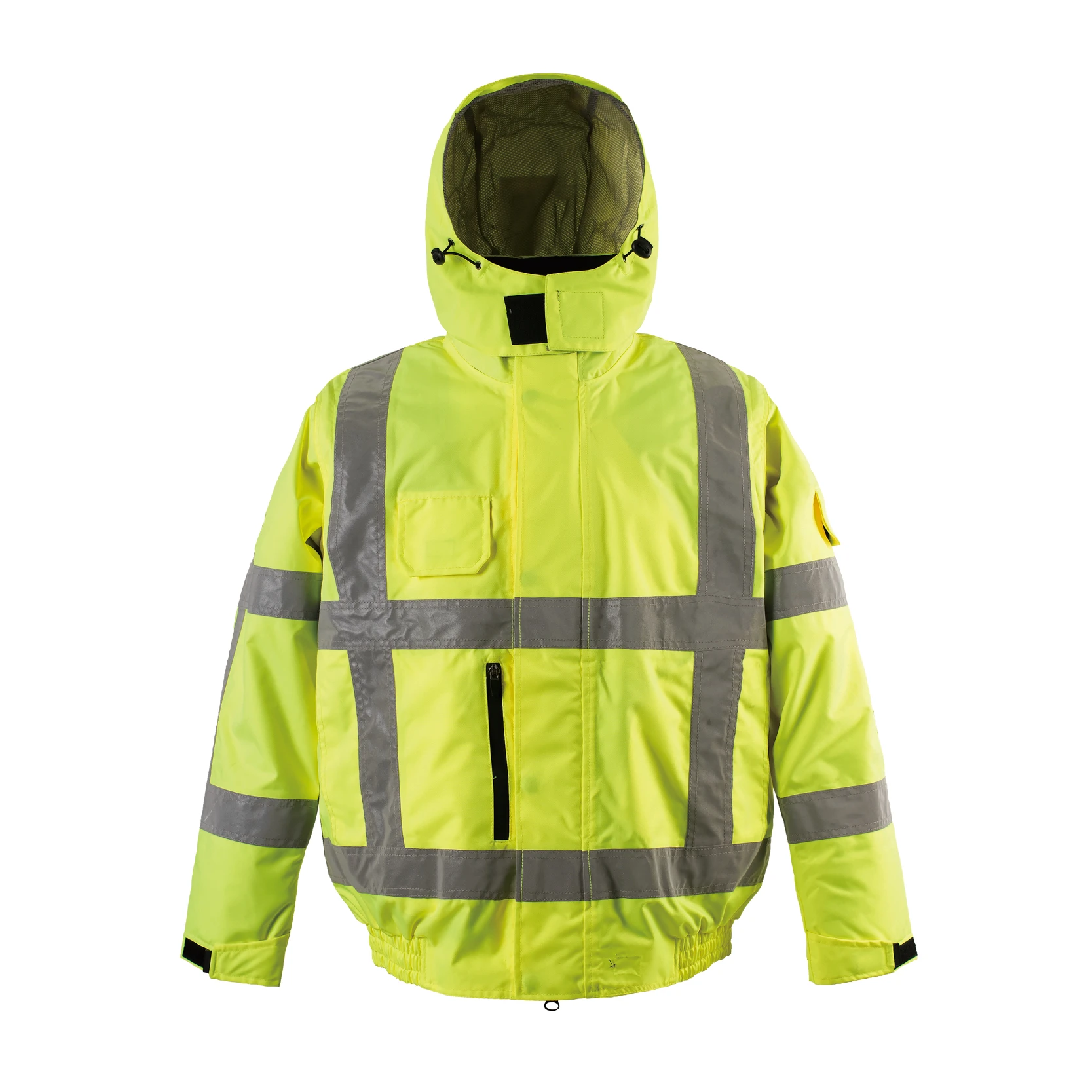
At its core, a high visibility raincoat is a waterproof outer garment designed with bright fluorescent colors like neon yellow, orange, or green, combined with reflective strips. The idea is to catch attention during daylight and reflect artificial light at night. But it’s not simply about color. The fabrics used employ specialized materials engineered for durability and breathability while keeping the wearer dry and visible.
Whether you’re an emergency worker navigating a flood zone or a biker caught on a rainy urban street, this coat’s job is to make you pop visually—to help prevent accidents and enhance safety. It’s an intersection of modern tech and timeless human needs: protection, comfort, dignity, and peace of mind.
Core Features of High Visibility Raincoats
1. Bright Fluorescent Color
The base fabric usually sports eye-popping fluorescent hues meeting standards like ISO 20471, ensuring maximum daylight visibility. Oddly enough, the choice of neon wasn’t random—it matches how our eyes perceive light under various conditions.
2. Reflective Striping
These silver or grey reflective bands bounce back light from vehicle headlights or street lamps, making the wearer unmistakable at night or in fog.
3. Waterproof & Breathable Materials
Modern raincoats blend waterproof membranes with breathable layers (like microporous polyurethane) to keep you dry without turning you into a sweaty mess—a fine balance engineers like to obsess over.
4. Durability & Tear Resistance
Outdoor work is rough on gear. Fabrics are often reinforced to withstand snags, abrasion, and washing without fading visibility or effectiveness.
5. Lightweight Comfort & Design
After all, no one wants to feel like a walking tent. Smart cuts, adjustable hoods, and ventilation zones help maintain comfort during physically demanding work.
Mini Takeaway:
Understanding these features helps us appreciate why a high visibility raincoat isn’t just a neon jacket—it’s a sophisticated safety tool designed with human needs and harsh environments in mind.
Real-World Applications: More Than Just Construction Gear
The versatility of high visibility raincoats is pretty impressive. Beyond road crews or warehouse workers, their use extends globally in several key scenarios:
- Disaster Relief Operations: Emergency responders often work in torrential rain and mud. Visibility is life-saving amid chaos.
- Industrial Sites in Remote Areas: Think mining, oil fields, or shipping yards where weather changes fast and communication is limited.
- Public Works & Utility Teams: Repairing electricity poles or water mains during storms demands quick identification to avoid accidents.
- Outdoor Transit Workers: Railway gangs, airport ground crews, and harbor pilots rely on bright rainwear for their safety on large, dark sites.
Regions like Southeast Asia, Northern Europe, and North America show strong uptake, mostly driven by safety regulations and increased awareness around workplace hazard mitigation.
Advantages That Add Up to Big Benefits
If you look at it rationally and emotionally, investing in high visibility raincoats returns profound value:
- Cost-effective Safety: The price of these coats is fractionally small compared to accident-related costs, lost workdays, or worse.
- Environmental Responsibility: Many manufacturers now use recycled fabrics or sustainable production methods, which align with ISO 14001 environmental standards.
- Social Impact: Protecting workers fosters goodwill, boosts morale, and supports corporate responsibility goals.
- Reliability Under Pressure: High quality raincoats perform consistently in tough conditions, reinforcing trust in equipment and teams.
In short, they keep people safe, comfortable, and visible—basic human needs that ripple out to larger societal benefits.
What’s Next? Future Trends in High Visibility Rainwear
Looking ahead, the industry is buzzing about innovations such as:
- Smart Fabrics: Embedded sensors monitoring health signs or environmental hazards.
- Eco-friendly Materials: Bio-based waterproof layers replacing petroleum-derived fabrics.
- Enhanced Reflectivity: Using microprism technology for brighter, lighter reflective strips.
- Customization & Fit Technology: 3D scanning for tailored coats that maximize comfort without bulk.
Such advances promise to transform the humble high visibility raincoat into an even more integral tool for safety and sustainability.
Facing Challenges Head-On
Granted, these coats aren’t perfect. Issues like:
- Cost vs. Accessibility: High-tech coats can be pricey, limiting use in low-income areas.
- Comfort in Extreme Heat: Waterproof yet breathable fabrics struggle under sweltering conditions.
- Compliance Awareness: Not all workplaces consistently enforce usage despite regulations.
To tackle these, companies are investing in R&D to find cheaper, better materials, and governments or NGOs run awareness campaigns emphasizing the importance of wearing proper PPE. It’s a slow but steady progress.
Common Questions About High Visibility Raincoats
- Q: How do I know if a raincoat is truly high visibility?
- A: Look for certifications like ISO 20471 or ANSI/ISEA 107, which set standards for color and reflectivity. Quality coats will also specify material properties and durability.
- Q: Can a high visibility raincoat be used effectively in urban cycling?
- A: Absolutely. Cyclists benefit greatly from neon colors and reflectives, especially during dawn, dusk, or rain when car drivers might struggle to spot them.
- Q: Are these raincoats suitable for long shifts outdoors?
- A: Yes, if chosen correctly. Opt for coats featuring breathable membranes and ergonomic designs to enhance comfort during extended wear.
- Q: Can companies customize raincoats with logos or colors?
- A: Many manufacturers offer bespoke services, adding company logos or choosing specific color combinations that comply with safety standards.
Comparison: Product Specifications & Leading Vendors
| Specification | Standard Model | Premium Model | Eco Model |
|---|---|---|---|
| Material | PVC-coated Polyester | PU Membrane + Nylon | Recycled Polyester + TPU |
| Reflective Strip Technology | Glass Bead | Microprism | Glass Bead |
| Waterproof Rating | 2000 mm | 5000 mm | 3000 mm |
| Breathability (MVTR) | 2000 g/m²/24h | 5000 g/m²/24h | 3500 g/m²/24h |
| Weight | 500 g | 350 g | 380 g |
| Compliance Standards | ISO 20471 Class 2 | ISO 20471 Class 3 | ISO 20471 Class 2 + EcoLabel |
Vendor Comparison: Finding the Right Partner
| Vendor | Price Range | Global Reach | Customization | Sustainability Focus |
|---|---|---|---|---|
| Jide Garment Co. | $$ | Worldwide | High | Strong (Recycled Fabrics) |
| SafeWear Inc. | $$$ | Europe & Americas | Moderate | Moderate |
| GlobalGuard | $ | Asia & Oceania | Low | Low |
Wrapping Up: Bright Ideas for Safety and Comfort
At the end of the day, the high visibility raincoat is more than just bright colors and waterproofing. It’s a thoughtfully engineered garment that saves lives, supports sustainability, and adapts to ever-changing global needs. Whether you’re outfitting a team that works in pouring rain or just want to stay safe on your nightly walk, investing in quality high visibility rainwear pays dividends in safety and peace of mind.
For those interested in exploring cutting-edge high visibility raincoats suited for various industries and climates, don’t hesitate to check out Jide Garment’s options. They balance durability, compliance, and environmental responsibility—features many engineers and safety officers swear by.