
Why High Visibility Rain Suits Matter Worldwide
At first glance, a high visibility rain suit might just seem like a slick piece of waterproof clothing — designed to keep you dry in a downpour. But dig a little deeper, and you'll find it's far more significant. In industries as varied as construction, emergency relief, and transportation, these suits can literally save lives. They merge visibility and protection, two features that are vital when working in unstable or hazardous environments.
Globally, there’s an ever-increasing demand for protective outerwear that doesn’t sacrifice safety for comfort—or vice versa. With climate change driving more extreme weather, and growing industrial activity in remote or tricky locations, a good rain suit can be the difference between safety and disaster. This article untangles what high visibility rain suits truly are, why they’re essential worldwide, and how companies and organizations harness their value.
Setting The Scene: High Visibility Rain Suits in a Global Context
Before we dive into the nitty-gritty, consider this: according to the International Labour Organization (ILO), over 2.3 million fatalities occur annually due to workplace accidents worldwide — and many happen because workers aren’t adequately seen or protected. Now, imagine that mix of poor visibility and harsh weather. Sudden storms hit, roads get slick, and construction zones become even more dangerous. That’s where high visibility rain suits come into play.
Regions like Southeast Asia, parts of Africa, and Latin America have seen a surge in infrastructure projects, paired with seasonal monsoons or rainy seasons. The combination calls for reliable protective gear that's built to keep workers both dry and highly visible — which, frankly, wasn't always easy to get right with traditional rain gear.
Mini Summaries & Takeaway:
- High visibility rain suits save lives: combining visibility and waterproof protection to tackle challenging work environments.
- Global weather trends and infrastructure growth: pushing demand for better protective clothing worldwide.
What Exactly Are High Visibility Rain Suits?
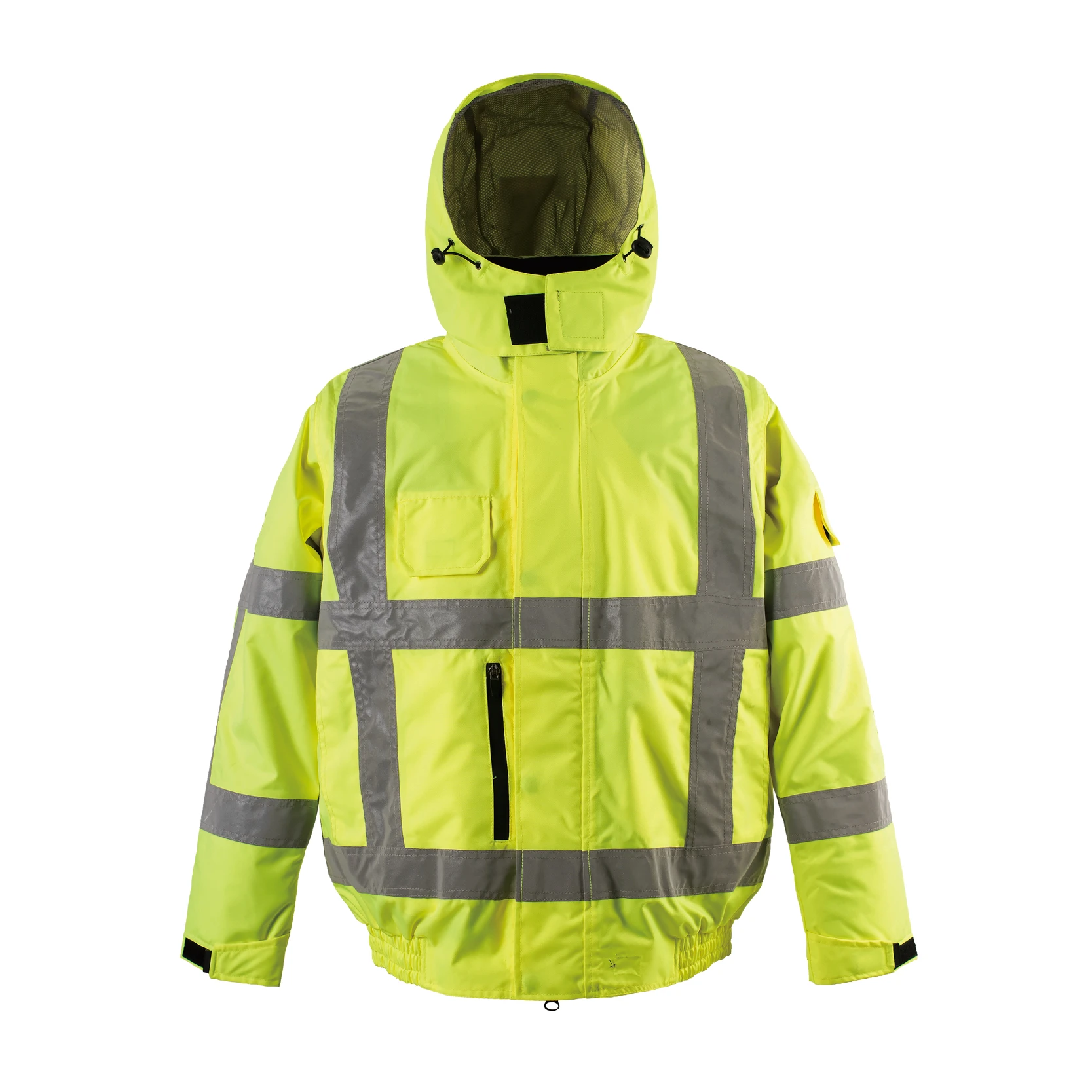
Simply put, these are rain suits designed with bright, reflective materials to ensure wearers remain visible even in low-light or harsh weather conditions. They typically feature neon colors—think bright yellows, oranges, or greens—paired with strategically placed retroreflective strips that catch headlights or flashlights. This isn’t your average rainwear; it is a tailored safety product that blends weatherproofing technologies with industry-standard visibility norms, like those outlined in ISO 20471.
In practical terms, these suits are indispensable for folks working in heavy rain, fog, nighttime settings, or large, busy job sites where being seen can prevent accidents. Whether you’re in a flood zone delivering humanitarian aid or a highway crew patching up a road during a storm, these suits act as a high-visibility shield.
So, it’s this mix of protection, comfort, and safety that sets them apart.
The Core Elements of High Visibility Rain Suits
1. Durability
High visibility rain suits need to withstand abrasions, tears, and frequent use in tough environments. Materials like PVC, polyurethane coatings, or heavy-duty nylon blends make this possible. It’s not just about being waterproof; the fabric must survive harsh treatments without losing reflectivity.
2. Visibility Features
Fluorescent colors are a given, but the amount, placement, and reflectivity of strips often make the difference between passing a safety inspection or failing. Suits compliant with standards like ANSI/ISEA 107 or ISO 20471 often have multiple bands across the torso, arms, and legs.
3. Comfort & Breathability
This might seem at odds with waterproofing, but modern designs often incorporate breathable membranes or ventilation flaps. No worker wants to be sweltering inside their protective gear—that discomfort can lead someone to ditch the suit altogether.
4. Ease of Deployment
In emergency scenarios, time is precious. Lightweight, packable suits that can be rapidly donned are vital for things like disaster relief or road-side rescue operations.
5. Cost Efficiency
Especially for NGOs or companies outfitting large crews, the balance between price and performance is always under the microscope. Longevity, ease of maintenance, and replacement costs factor heavily into purchasing decisions.
Key Points Summary:
- Durability ensures suits last through harsh use.
- Optimal visibility features reduce workplace risks.
- Comfort and breathability improve compliance and productivity.
- Designs consider fast deployment needs.
How High Visibility Rain Suits Are Used Around the World
Interestingly, high visibility rain suits have found homes everywhere—from industrial hubs in Europe to rural farming communities in South America. Here are a few notable real-life uses:
- Post-disaster relief: After flooding in Bangladesh, workers outfitted with high visibility rain suits could safely distribute aid even through torrential conditions.
- Construction sectors: In Canada’s vast northern regions, where rain blends with snow and low light can last for hours, these suits help crews work safely and efficiently.
- Transportation & logistics: Ports in Southeast Asia use these suits for dockworkers during heavy monsoon rains, reducing accidents.
- Public safety & utilities: Emergency responders in urban centers rely on them to stay visible among chaotic traffic and bad weather.
Use Case Snapshot
I spoke with a project manager at a major mining operation in Chile. They changed out their old rain gear for high visibility suits last year. The result? A 30% drop in accident reports involving vehicle collisions in rainy conditions. It was a small investment for massive peace of mind — “Sometimes it’s the simplest solutions that get overlooked,” he pointed out.
Specifications of a Typical High Visibility Rain Suit
| Feature | Specification |
|---|---|
| Material | PU coated polyester with mesh lining |
| Color | Fluorescent lime green or orange |
| Reflective Tape | 3M™ Scotchlite™, 50mm width, all-around bands |
| Waterproof Rating | 10,000 mm hydrostatic head |
| Breathability | 5,000 g/m²/24hr MVTR |
| Weight | 550 grams (size L) |
| Certification | ISO 20471 Class 3 compliant |
Vendor Overview: Comparing Leading High Visibility Rain Suit Suppliers
| Company | Product Range | Price Range (USD) | Unique Strength |
|---|---|---|---|
| Jide Garment Co. | Full line: suits, vests, coveralls | 30 - 60 | Customizable for size and color high visibility rain suits |
| SafeWear Inc. | Standard suits and accessories | 25 - 50 | Advanced waterproof coatings |
| ProGuard Safety | Industrial-grade suits | 40 - 75 | High breathability technology |
Benefits and Long-Term Value of High Visibility Rain Suits
Think of these suits as an investment in safety and efficiency. They reduce accidents by making workers unmistakably visible, even in heavy rain or near nightfall. Over time, that translates to fewer costly absences, less downtime, and, frankly, peace of mind. Another advantage? Sustainability. Many manufacturers now integrate recycled materials or produce suits designed for repeated washing and long use, reducing waste.
On an emotional level, workers report feeling respected and valued when equipped with high-quality, comfortable suits — a subtle but powerful boost to morale. The trust a company earns from prioritizing safety can ripple out to stronger team cohesion.
Emerging Trends in High Visibility Rain Suit Technology
Looking ahead, innovations like smart fabrics embedded with sensors to monitor worker health and environmental conditions are beginning to appear. Plus, there's a concerted push for greener alternatives — biodegradable coatings and solar-reflective materials to reduce heat build-up.
Meanwhile, digital ordering platforms and customizable products allow companies to source exactly what they need faster than ever before. It feels like the humble rain suit is becoming a bit of a tech marvel.
Challenges and Smart Solutions
However, no product is perfect. A common problem is balancing waterproofing and breathability without hiking the price too high. Also, supply chain hiccups remain a concern, especially for NGOs operating in far-flung places. Packaging and disposal pose environmental challenges too.
Manufacturers are tackling these issues through modular designs, layered fabrics, and developing local production partnerships. In some zones, simple education campaigns about gear use and maintenance drastically improve lifespan and effectiveness.
FAQ: Your Questions About High Visibility Rain Suits Answered
- How do high visibility rain suits differ from regular rain gear?
- They combine waterproof materials with fluorescent colors and reflective strips designed to increase worker visibility in poor lighting or weather conditions — something standard rainwear usually lacks.
- Can these suits handle extreme cold or hot climates?
- Many high visibility rain suits come with layering options or breathable membranes. For cold climates, users often pair suits with insulated base layers; manufacturers are also making lighter, more ventilated versions for hotter environments.
- Are these suits reusable and easy to clean?
- Yes. Most are designed to withstand frequent washing without degrading reflective properties, although following manufacturer care instructions is important to maximize life.
- Do international standards govern high visibility rain suits?
- Absolutely. ISO 20471 and ANSI/ISEA 107 are common standards ensuring minimum visibility requirements, crucial for legal and safety compliance.
- Where can I buy quality high visibility rain suits in bulk?
- Many trusted suppliers like Jide Garment specialize in bulk orders with customization options to fit your team’s needs.
Final Thoughts: Don’t Overlook the Power of Visibility and Protection
All said and done, high visibility rain suits are a humble yet powerful component of workplace safety and humanitarian efforts worldwide. They’re not just about staying dry — they’re about standing out, keeping safe, and working smarter. Visit our website and discover how the right gear makes all the difference. Because, honestly, safety shouldn’t be a compromise—even when the skies open up.