
Understanding High Visibility Rain Gear: Why It Matters Worldwide
At first glance, high visibility rain gear sounds pretty straightforward—just a raincoat that lights you up like a beacon. But peel back the layers, and it’s a crucial piece of safety equipment woven deeply into industries across the globe. Whether you’re building roads in a pouring monsoon, managing emergency relief in flood zones, or just cycling home on a rainy night, this apparel saves lives. The world is wetter than ever—UN data tells us extreme rainfall events have increased roughly 20% since the 1980s. Combine that with the ever-present risk of low visibility during storms, and you have a perfect storm (pun intended) for accidents. Understanding what high visibility rain gear brings to the table means better protection, more efficient operations, and quite frankly, a bit of dignity for workers who otherwise might be unseen—even in plain sight.
Global Relevance: Brightening Safety Amid Dark Storms
Industrial growth, urbanization, and climate extremes have made high visibility clothing—especially rain gear—an international necessity. According to the International Labour Organization (ILO), over 2.3 million people die from occupational accidents and diseases annually. A significant percentage of these accidents involve poor visibility in hazardous environments, especially during adverse weather. ISO standards, like ISO 20471 (for high visibility clothing), outline requirements to make sure workers stay visible in bad weather—rain included.
Why the urgency? Think infrastructure projects happening in rainy Southeast Asia, or highway crews working at night during winter downpours in Europe. The countless emergency responders aiding post-disaster victims need gear that keeps them visible to heavy machinery and traffic alike. In that context, high visibility rain gear becomes a frontline safety measure—not just a convenience.
What Exactly Is High Visibility Rain Gear?
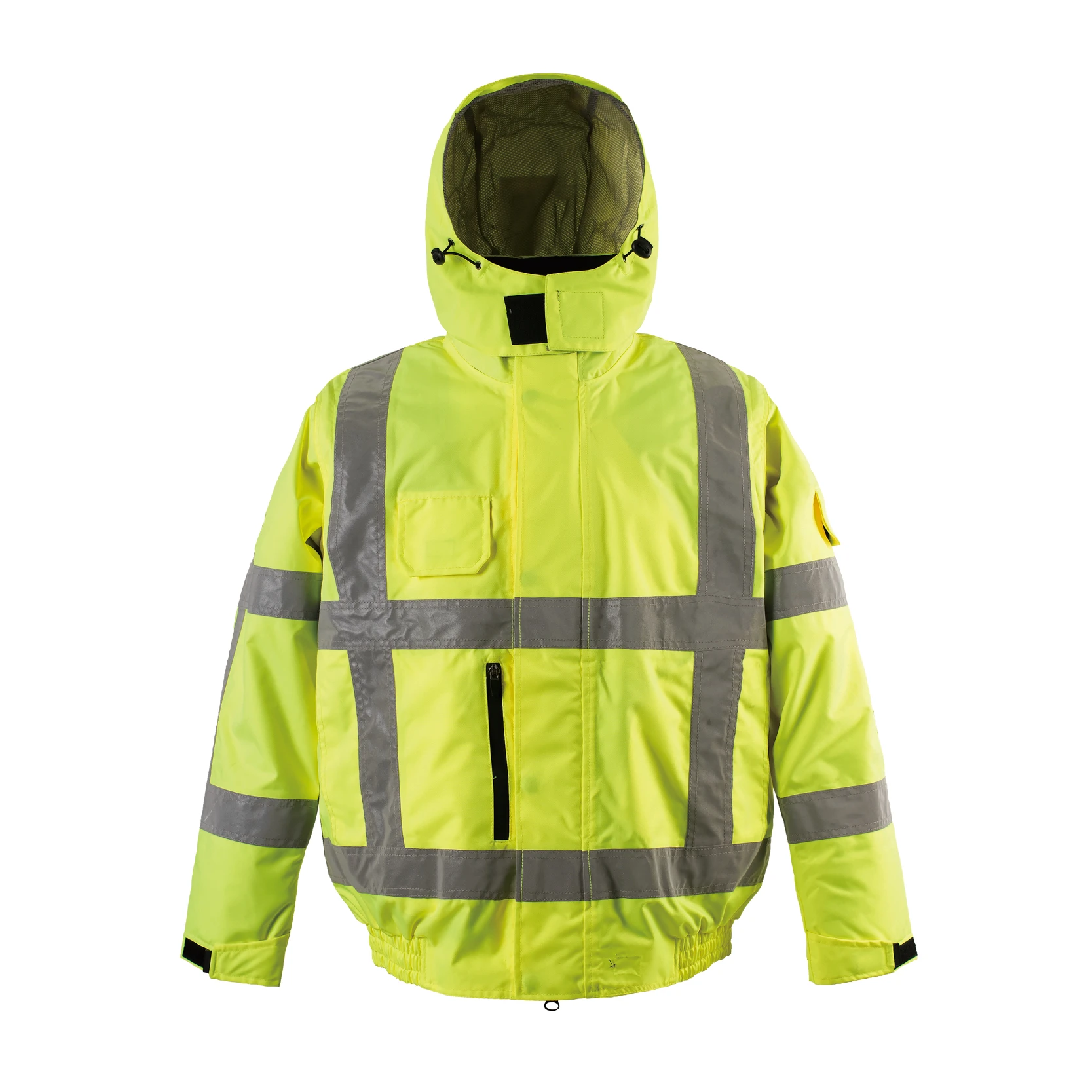
Simply put: it's rainwear engineered to be seen. Typically, this gear combines bright fluorescent colors—like neon yellow, orange, or lime green—with reflective strips that bounce back light, making the wearer visible day or night. But there's more finesse: the waterproofing materials must remain breathable, durable, and comfortable for extended wear in wet, muddy, or grimy environments.
Modern iterations often balance protection against rain with ergonomic design, allowing workers to move freely while staying dry and visible. It’s not just for construction or road crews anymore; humanitarian NGOs and even outdoor enthusiasts rely on it. For many, this gear is an essential interface between human activity and hazardous environments—helping to prevent accidents that could be both fatal and avoidable.
Core Components of Effective High Visibility Rain Gear
1. Durable Waterproof Fabrics
The backbone is waterproof fabric technology—usually polyester or nylon treated with polyurethane or PVC coatings. This ensures water beads off but still allows some breathability. Durability matters because garments get roughed up onsite daily.
2. Fluorescent Base Colors
Fluorescent pigments amplify visibility in daylight or low light. Standards like ANSI/ISEA 107 specify these colors to maximize contrast—even amid the gray gloom of rainstorms.
3. Reflective Tape and Piping
Strategically placed reflective stripes catch headlights and other artificial light, lighting the wearer up like a traffic cone at night or in fog.
4. Breathability and Comfort Features
Waterproof doesn’t have to mean clammy; advanced membranes and venting pockets keep moisture inside out and workers comfortable during long shifts.
5. Ergonomic Design & Accessories
Features like adjustable hoods, reinforced elbows, and anti-slip cuffs enhance usability in tough conditions.
Where Is High Visibility Rain Gear Making a Difference?
Across continents, industries lean on high visibility rain gear:
- Construction & Infrastructure: Crews in North America and Europe working in wet, foggy conditions rely on it for injury prevention.
- Emergency Response & Humanitarian Aid: In regions hit by flooding or hurricanes—think South Asia or the Caribbean—aid workers need to stay visible in chaotic environments.
- Transportation & Logistics: Night-shift road maintenance teams or port workers managing wet cargo turn to high visibility rain gear every day.
- Utilities & Energy: Wind and solar farm technicians battling the elements count on their rain gear for safety.
For example, after the 2017 hurricanes in Puerto Rico, aid workers equipped with specialized high visibility rain gear were better able to navigate flooded streets safely as they restored power and distributed supplies. Sometimes it feels like this gear is the unsung hero behind the scenes.
Advantages & Why This Gear Pays Off Long-Term
There’s the obvious safety benefit, but beyond that:
- Cost Efficiency: Fewer accidents mean lower insurance premiums and less downtime.
- Sustainability: Many modern products use recycled materials or durable fabrics that extend lifecycle, reducing waste.
- Social Impact: Enhanced visibility supports worker dignity and morale. Being seen underscores value.
- Reliability: Trusted brands ensure gear performs consistently under the worst conditions.
It’s a mix of logic and emotion. Workers feel cared for, and companies protect their people and assets. As one safety manager once told me, “It’s about trust—trust that your gear won’t leave you exposed when the skies open.”
What’s Next for High Visibility Rain Gear?
Innovation never sleeps. Some trends are worth keeping an eye on:
- Smart Fabrics: Embedded sensors that can track worker location or monitor weather conditions.
- Eco-Friendly Materials: Biodegradable or recycled waterproof membranes aiming to cut down waste.
- Customization via Digital Printing: Faster production turnaround, personalized logos, and enhanced fit.
- Policy Pushes: Governments strengthening safety regulations, driving demand for certified gear.
We’re moving toward gear that’s not only protective but also interactive and greener—a fusion of tech and sustainability. It’s exciting to think smart rainwear could soon alert first responders to invisible dangers…
Facing Challenges Head-On
Despite gains, challenges persist:
- Cost Barriers: High-quality gear can be prohibitively expensive for small contractors or NGOs.
- Wear and Tear: Frequent washing and harsh conditions degrade reflective properties over time.
- Comfort vs. Protection: Balancing waterproofing without overheating is a constant design puzzle.
Manufacturers are tackling these through modular designs (replaceable parts), improved fabric tech, and subsidies for frontline workers. Industry collaboration also helps refine standards and boost adoption.
Product Specifications: Typical High Visibility Rain Jacket
| Feature | Specification |
|---|---|
| Material | Polyester with PU coating |
| Color | Fluorescent Lime Green / Orange |
| Reflective Strips | 3M Scotchlite, 3M Silver |
| Waterproof Rating | 10,000 mm (water column test) |
| Breathability | 5,000 g/m²/24h (MVTR) |
| Weight | Approx. 350 g |
| Certification | ISO 20471 Class 3 |
Vendor Comparison: High Visibility Rain Gear Brands
| Vendor | Product Range | Price Range | Sustainability | Key Strength |
|---|---|---|---|---|
| BrightSafe Gear | Jackets, Pants, Vests | $$$ | Uses recycled fabrics | Excellent durability |
| RainGuard Pro | Full rain suits, Gloves | $$ | Certification pending | Cost-effective |
| ReflectoWear | Vests, Jackets, Accessories | $$$ | Eco-friendly packaging | Advanced reflective tech |
FAQ: Your Top Questions About High Visibility Rain Gear
Q1: What materials make high visibility rain gear effective?
A: The best gear uses waterproof yet breathable fabrics like PU-coated polyester combined with 3M reflective tape. This combo keeps rain out while allowing body moisture to escape, and the reflective strips maximize visibility in low light.
Q2: How often should I replace my high visibility rain gear?
A: It depends on usage, but generally every 12-18 months is advisable. Reflective strips lose efficiency over time, and waterproof coatings can wear off—regular inspection helps catch wear before it compromises safety.
Q3: Can high visibility rain gear be environmentally friendly?
A: Yes! Many brands now incorporate recycled materials and eco-conscious manufacturing processes, reducing environmental impact without sacrificing safety standards.
Q4: Is it possible to customize high visibility rain gear for large teams?
A: Absolutely. Many suppliers offer customization options for logos, sizing, and reflective patterns. Customization adds to team identity and ensures everyone’s gear fits correctly.
Q5: How does this gear comply with international safety standards?
A: Quality high visibility rain gear typically meets ISO 20471 or ANSI/ISEA 107 standards, which specify color, reflectivity, and design requirements to ensure effectiveness in hazardous conditions worldwide.
Wrapping Up: Why Investing in High Visibility Rain Gear Always Pays
When you think about it, high visibility rain gear isn’t just a piece of clothing—it’s a lifeline. This apparel blends safety with comfort and technology, answering the call of industries and aid workers exposed to unpredictable weather and risky situations. The benefits are layered: reducing accidents, improving morale, cutting costs long term, and promoting sustainability. If you’re on the hunt, check out trusted suppliers for certified, well-tested options—starting with the best from companies featured high visibility rain gear specialists. Because at the end of the day, being seen can make all the difference.