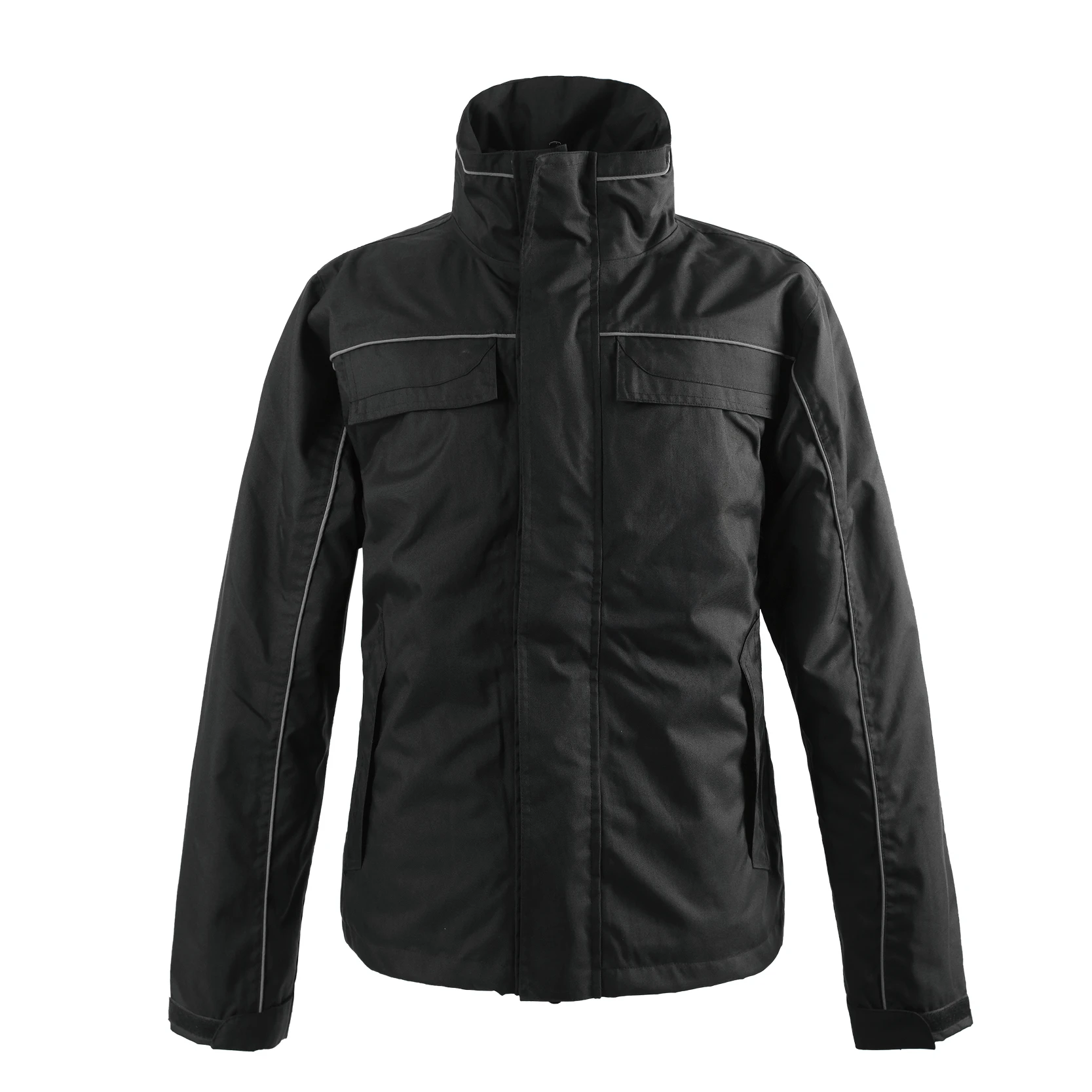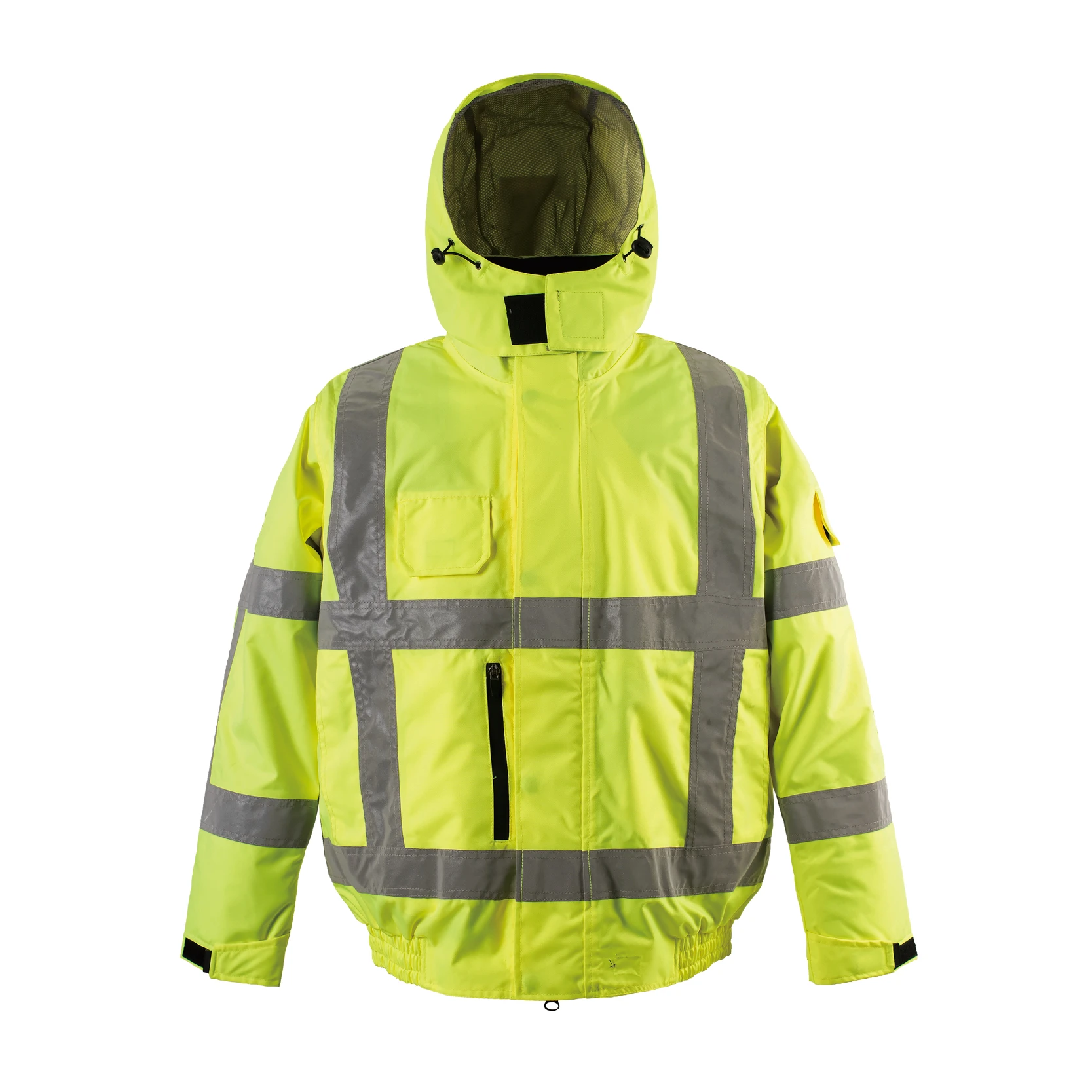

The Importance of High Visibility Overalls in Today’s Safety Landscape
At first glance, high visibility overalls might seem like just another piece of gear. But in industries ranging from construction to humanitarian relief—and even traffic management—they play a critical role in keeping workers safe, visible, and protected. Globally, with over 2.78 million work-related fatalities each year according to the International Labour Organization, visibility remains a no-nonsense priority. Understanding these overalls, their features, applications, and innovations can make a surprising difference not only to workplace safety protocols but also to broader sustainability and operational efficiency.
Frankly, there’s a lot more to these bright garments than meets the eye.
Why High Visibility Overalls Matter Worldwide
Globally, industries that involve physical outdoor labor are growing fast—not just in developed economies but in emerging markets too. According to the UN’s International Labour Organization, construction, roadwork, and emergency response sectors have some of the highest accident rates worldwide. Here, the simple act of being highly visible can mean the difference between life and death. The World Bank estimates billions spent annually on workplace injuries, much of which could be mitigated by better safety gear, including high visibility clothing.
Yet, despite regulations by bodies like ISO (ISO 20471:2013 on high visibility clothing), many organizations still struggle with compliance or choose less effective alternatives for reasons like cost or comfort. That’s the challenge: how to marry safety, cost-effectiveness, and usability into a single product like the high visibility overall.
What Exactly Are High Visibility Overalls?
Simply put, high visibility overalls are garments designed with bright, fluorescent materials—usually neon yellow, orange, or lime—and reflective strips that reflect light back towards its source, increasing the wearer’s visibility in low-light or hazardous environments. Unlike jackets or vests, overalls typically cover the entire body, providing additional protection not only visually but physically.
These overalls tie directly into modern demands: think about the worker on a midnight bridge repair or an aid worker trudging through post-disaster rubble. Their visibility is paramount to avoid accidents from passing machinery, vehicles, or even natural hazards.
Core Components & Key Factors of High Visibility Overalls
Durability
High visibility overalls have to take a beating. Rugged seams, tear-resistant fabrics, and reinforced patches are industry favorites. Oddly enough, durability goes hand in glove with visibility—faded or worn-out fabric loses its bright properties quickly, defeating the very purpose.
Comfort & Fit
Field workers aren’t mannequins. Overalls need to allow movement, breathability, and sometimes even quick-drying capabilities. If it’s too stifling or awkward, workers are less likely to wear them consistently, which defeats safety efforts.
Reflectivity Quality
The reflective tape isn’t merely decorative. Its performance under vehicle headlights or flashlights must comply with stringent tests. Some manufacturers now use micro-prismatic materials for superior reflectivity compared to traditional glass bead tapes.
Cost Efficiency
Organizations want safety without blowing budgets. This translates into selecting overalls that are affordable upfront but also easy to maintain—machine washable, color-retentive, and repairable.
Compliance & Standards
Standards like ISO 20471 help ensure that the garments meet minimum visibility criteria. Certifications can be crucial for legal and insurance reasons in workplace safety protocols.
Mini takeaway:
When choosing high visibility overalls, keep in mind the balance of durability, comfort, reflectivity, cost, and compliance — these aren’t luxuries but essentials for real-world safety.
Where Are High Visibility Overalls Making a Difference?
Industries and regions worldwide rely on high visibility overalls:
- Construction in urban and rural zones: Workers near traffic-heavy streets or cranes wear bright overalls to stand out against concrete and steel backdrops.
- Emergency and disaster relief: In disaster zones—the aftermath of hurricanes, earthquakes, or floods—aid workers need to be seen by heavy machinery operators and fellow responders, especially at night or in smoky, dusty conditions.
- Mining and industrial plants: Heavy machinery, confined spaces, and dim lighting require robust visibility solutions.
- Transportation and logistics hubs: Warehouse staff, airport ground crews, and dock workers benefit from enhanced visibility in bustling, noisy environments.
For example, in remote Australian mining sites, high visibility overalls come embedded with flame-resistant fabrics and cooling materials to protect workers. Meanwhile, in Europe, road maintenance teams couple these overalls with sensor-embedded helmets to alert drivers to their presence.
Mini takeaway:
High visibility overalls aren’t just about bright colors — they integrate into complex working conditions worldwide, evolving with the region’s specific demands.
Advantages and Long-Term Value of High Visibility Overalls
Let’s not underestimate the value: beyond just a garment, high visibility overalls save lives, reduce injury-related costs, and raise workplace morale. Workers feel safer and more respected—those social aspects often go unnoticed but matter greatly in retention and productivity.
Financially, preventing accidents cuts down on costly delays, insurance claims, and litigation. From a sustainability point of view, newer overalls use recycled fabrics and eco-friendly dyes without sacrificing performance. It’s a classic win-win.
On the emotional side? Knowing you’re visible to teammates and supervisors when things get chaotic brings peace of mind—arguably priceless when every second counts.
Product Specifications: Typical High Visibility Overall
| Feature | Specification |
|---|---|
| Material | Polyester / Cotton blend (65%/35%) |
| Reflective Tape | 3M™ Scotchlite™ Microprismatic |
| Colors | Fluorescent Orange, Yellow, Lime Green |
| Sizes | XS to 5XL |
| Certification | ISO 20471:2013 Class 3 |
| Additional Features | Water-resistant coating, flame retardant options |
Vendor Comparison: Popular High Visibility Overall Manufacturers
| Vendor | Price Range | Special Features | Compliance |
|---|---|---|---|
| Jide Garment Co. | $30–$60 | Custom sizing, eco-friendly fabrics | ISO 20471:2013 |
| SafetyPro Inc. | $40–$70 | Flame retardant, waterproof shell | EN ISO 20471 |
| BrightGuard Ltd. | $28–$55 | Reinforced knees, triple stitching | ANSI/ISEA 107-2020 |
Looking Ahead: Innovations and Future Trends
The future of high visibility overalls is brighter (literally). New textile tech includes embedded LEDs powered by flexible solar elements, adding active lighting to passive reflectivity. Smart fabrics might integrate sensors to detect impacts or hazardous chemicals.
On the sustainability front, manufacturers are exploring biodegradable, recycled materials and low-water dyeing processes aligned with the UN Sustainable Development Goals. Digital transformation means some outfits will come with QR codes linking to safety certifications and usage instructions—handy for multinational firms juggling diverse regulatory environments.
Addressing Challenges & Finding Solutions
Despite all advancements, some issues persist:
- Cost barriers: Some companies, especially small contractors, hesitate over initial investment.
- Comfort concerns: Overalls can feel bulky or hot, reducing compliance.
- Visibility degradation: Over time, washing and wear reduce effectiveness.
Innovative approaches include modular designs for easier washing and repair, affordable leasing programs, and employee training emphasizing the true value of safety gear beyond mere compliance boxes.
Frequently Asked Questions About High Visibility Overalls
1. How do high visibility overalls differ from vests or jackets?
Overalls cover more of the body, offering enhanced physical protection and ensuring visibility from all angles, especially the legs and arms—areas often exposed in outdoor work. Vests or jackets are sometimes worn over street clothes but may leave limbs less visible in certain situations.
2. Can high visibility overalls be used in cold weather conditions?
Absolutely. Many manufacturers now produce insulated or layered versions specifically designed for cold climates while maintaining reflectivity and durability. Some models also include windproof and water-resistant materials.
3. How long do high visibility overalls typically last under regular use?
Most well-made overalls last between 1-3 years depending on usage intensity, washing frequency, and workplace conditions. Proper care can extend their lifespan, but once reflective tape begins to fade, replacement is recommended.
4. Are there sustainable options within high visibility overalls?
Yes, several brands, including Jide Garment, incorporate recycled polyester or organic cotton. Additionally, eco-friendly dyeing and finishing processes help reduce environmental footprint.
5. Is certification mandatory for all high visibility overalls?
While not always legally mandatory, certifications such as ISO 20471 or ANSI/ISEA 107 are industry standards ensuring the garment meets minimum safety requirements. Many companies require certified gear to comply with workplace safety policies.
Wrapping Up: Why High Visibility Overalls Are a Smart Investment
In the long run, investing in high visibility overalls is an investment in safety, sustainability, and operational efficiency. These garments weave together durability, visibility, comfort, and compliance in a practical package that saves lives. Plus, the evolving technology and global standards mean this is a field where no company can afford to lag behind.
So next time you consider protective gear, remember these overalls aren’t just bright colors—they represent confidence, innovation, and a commitment to human dignity in challenging environments.
Looking to upgrade your workforce’s safety? Visit https://www.jidegarment.com to explore the latest in high visibility overalls designed for real-world conditions.