
Why High Visibility Orange Safety Vests Matter More Than Ever
You’ve probably seen high visibility orange safety vests at construction sites, traffic checkpoints, or even on your neighborhood delivery people. But beyond just bright colors and reflective strips, these vests have become essential tools for safety worldwide. Globally, millions of workers rely on them daily, and understanding what makes them effective can literally save lives.
Especially in industries where visibility means the difference between safe work and disaster, these vests are a quiet hero. They also play an unexpectedly crucial role in humanitarian missions and disaster relief operations where rapid identification and protection are paramount. So, why all this fuss about a simple vest? It boils down to visibility, safety, compliance, and trust—topics that transcend borders and sectors.
Introduction: The Global Importance of Safety Gear in High-Risk Environments
According to the International Labour Organization (ILO), over 2.3 million people succumb annually to work-related accidents and diseases—a staggering global figure. The ISO 20471 standard for high visibility clothing enforces requirements to reduce such risks, and orange safety vests are among the most common artifacts complying with these rules.
The challenges are myriad: from ill-lit roadways in developing urban centers to sprawling construction sites that operate around the clock, the need for clear, unmistakable indicators of human presence is urgent. In fact, the World Bank notes that poor workforce safety costs billions in lost productivity — and no one likes wasting resources or risking lives unnecessarily.
So the high visibility orange safety vest doesn’t just help people spot each other; it embodies a preventative strategy deeply tied to ethics, economics, and operational success worldwide.
Mini Takeaway:
In real terms, these vests are not just equipment but a global safety standard bridging the gap between risk and protection.
What Exactly Is a High Visibility Orange Safety Vest?
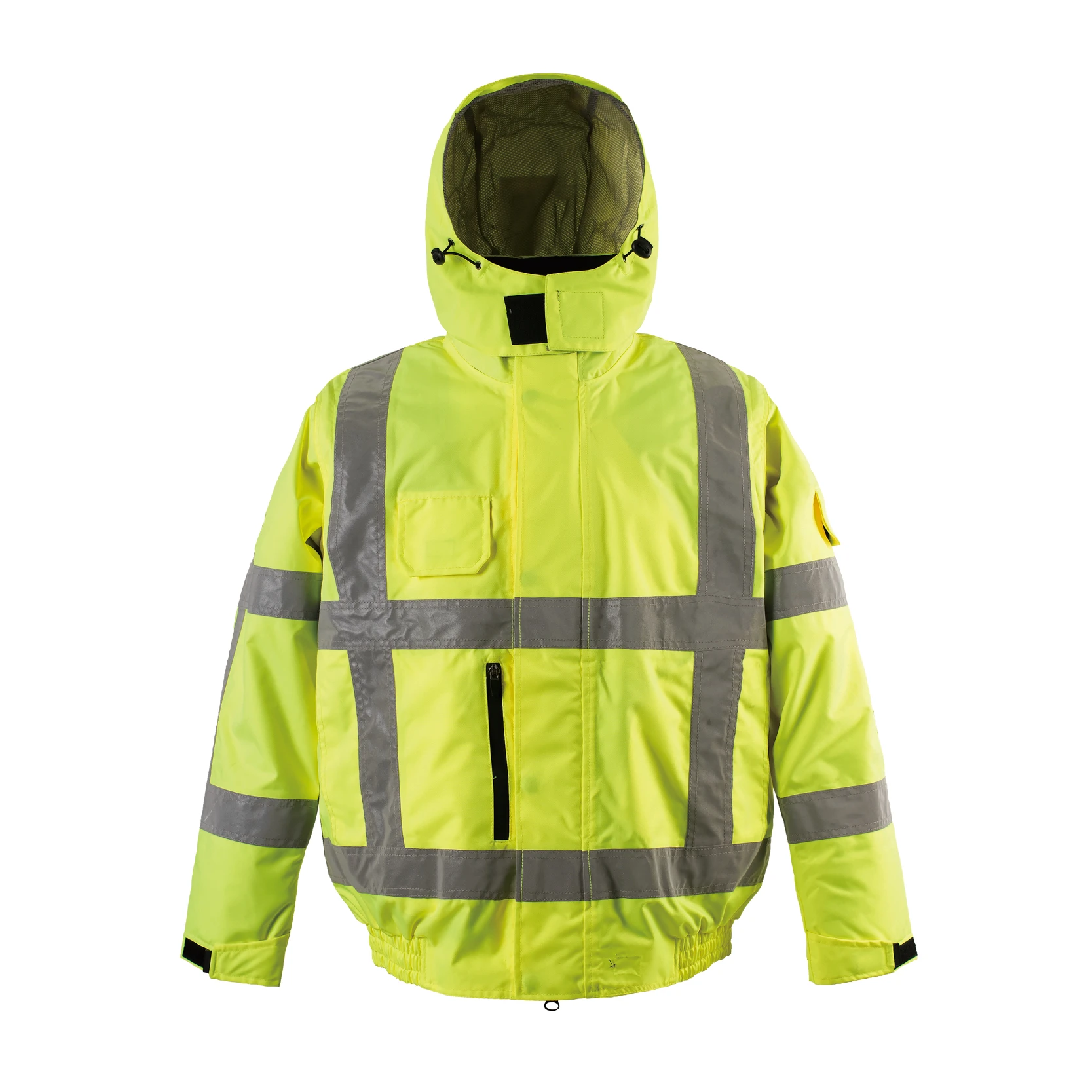
At its heart, a high visibility orange safety vest is a simple garment made from fluorescent fabric—usually bright orange—to catch the eye immediately. It features reflective stripes that shine under headlights or street lighting, ensuring the wearer stands out in any environment.
But this definition barely scratches the surface. These vests link technological textile innovations with growing workplace regulations. When construction firms, emergency responders, or logistics teams equip their staff properly, it's an investment in protection and compliance—sometimes even a legal necessity.
Oddly enough, humanitarian agencies have adopted these vests too, recognizing that visibility in chaotic situations can be lifesaving.
Mini Takeaway:
The high visibility orange safety vest is much more than a “bright jacket"; it integrates visibility technology with practical safety and legal standards.
Core Components That Define Quality and Functionality
1. Visibility and Reflectivity
The fluorescent orange base works during the day, while reflective silver stripes come alive at night or low light, creating 360-degree visibility. The positioning of these stripes matters; typically, they run horizontally and vertically to increase motion detection.
2. Durability
These vests must endure wear and tear — think about site debris, repeated washing, and rough handling. So materials like polyester blends with high tensile strength are prevalent, balancing comfort and lifespan.
3. Comfort and Fit
It may surprise some, but high visibility gear that restricts movement or overheats will just end up unused. Ventilation zones, adjustable straps, and sizes accommodating various body types are vital.
4. Compliance with Safety Standards
Meeting regulations like the OSHA mandates or Europe’s EN ISO 20471 ensures vests pass minimum visibility requirements—a key for employer liability and worker safety.
5. Cost Efficiency
Buying these vests often involves balancing upfront cost against longevity and compliance assurances. Cheaper materials may degrade faster, defeating the whole purpose.
| Specification | Details |
|---|---|
| Material | Fluorescent polyester blend with reflective stripes |
| Visibility Standard | EN ISO 20471 Class 2 & 3 compliant options |
| Sizes | S to XXXL with adjustable closures |
| Weight | Approx. 150-220 grams per vest |
| Care | Machine washable, quick-drying |
Mini Takeaway:
It’s the blend of materials, comfort, regulation-compliance, and reflective tech that makes these vests effective on the ground.
Where in the World Do Orange Safety Vests Shine?
You’ll find these vests almost everywhere, but some places highlight their importance more sharply:
- Construction and Infrastructure Projects: Roads, bridges, and high-rise builds across Asia and North America depend on them.
- Emergency and Disaster Relief: Organizations like the Red Cross use them in chaotic environments to identify team members quickly.
- Mining and Industrial Zones: In remote areas of Australia and Africa, miners wear these to remain visible among heavy machinery.
- Road Safety and Traffic Control: Traffic police and road crews in Europe often wear high visibility orange or lime-yellow vests per regulation.
Interestingly, in disaster aftermaths—think earthquakes or floods—the rapid distribution of these vests helps rescuers stay safe while coordinating aid under difficult circumstances.
Mini Takeaway:
High visibility orange safety vests aren’t one-trick pony gear — their global application ranges across industries and crises, emphasizing universal human safety.
Advantages and the Long-Term Value of Using High Visibility Safety Vests
Beyond bright colors and stripes, the benefits stack up in thoughtful ways.
- Cost Savings: Preventing accidents avoids costly downtime, legal claims, and medical expenses.
- Sustainability: Advances in recyclable and durable fabrics help reduce waste over time.
- Empowerment and Dignity: Wearing proper safety attire signals respect for workers’ lives, boosting morale and confidence.
- Legal and Ethical Compliance: Aligning with global standards protects companies from penalties and reputational risks.
Plus, the psychological impact is important; when workers feel seen—literally—they tend to perform better and stay more alert.
Future Trends: Technology Meets Safety in the Orange Vest
We’re already seeing exciting developments:
- Smart Fabrics: Embedded LED lights, GPS trackers, and sensors that alert when a worker is in danger.
- Eco-Friendly Materials: Using recycled PET fibers and biodegradable reflective strips to minimize environmental footprint.
- Customization: Tailoring vests per task and environment, from ultra-lightweight for warm climates to insulated for cold zones.
- Digital Integration: QR codes embedded for quick access to worker credentials or safety protocols onsite.
It feels like the humble safety vest is about to become a wearable tech platform — which is kind of thrilling if you think about it.
Challenges in Distribution and Usage — And How to Overcome Them
Of course, things aren't perfect:
- Quality Inconsistencies: Low-cost vests sometimes fail to meet visibility standards or wear out too quickly.
- Worker Compliance: Some teams resist wearing bulky or poorly fitting vests.
- Environmental Impact: Disposal and production of synthetic materials raise sustainability questions.
The solution? Investing in certified products like those from reputable vendors, combined with worker education and feedback loops to select comfortable, fit-for-purpose equipment. Many companies now cycle vests regularly and recycle old stock to reduce waste. There’s also promising innovation in biodegradable materials.
| Vendor | Product Range | Compliance Certifications | Price Range (USD) |
|---|---|---|---|
| Jide Garment | Custom high visibility orange and lime vests, flame retardant options | ISO 20471, CE, ANSI/ISEA 107 | $7 - $15 per vest |
| SafeWear Inc. | Standard construction vests, adjustable sizes, LED integrated | ISO 20471 Class 2 & 3 | $10 - $25 per vest |
| BrightGuard | Eco-friendly, recycled materials, customizable printing | EN ISO 20471, OEKO-TEX | $12 - $20 per vest |
FAQ: Practical Answers to Your High Visibility Orange Safety Vest Questions
- Q: How do I know if a high visibility orange safety vest meets necessary safety standards?
- A: Check if the vest is certified under standards such as ISO 20471, ANSI/ISEA 107, or CE marking. The label should clearly state compliance. Always ask your vendor for certification documents.
- Q: Can I customize the colors or reflective patterns on high visibility vests?
- A: Yes, many suppliers offer customization for logos, colors (within visibility norms), and reflective band placement. Keep in mind that altering reflective surfaces may affect compliance.
- Q: How often should safety vests be replaced?
- A: Depending on usage, exposure, and washing, vests typically last about 6 to 12 months. If fabric or reflective tape becomes faded or torn, replace immediately.
- Q: Are high visibility orange safety vests suitable for all weather conditions?
- A: Standard vests are great for moderate climates, but for colder or wet conditions, insulated or waterproof variants are recommended. Choosing the right vest depends on your operational environment.
- Q: How do organizations internationally import these vests efficiently?
- A: Partnering with experienced suppliers who handle shipping, certifications, and bulk orders is key. Many vendors offer worldwide logistics support and can advise on import regulations per country.
Final Thoughts: Safety That Reflects Beyond the Glow
The humble high visibility orange safety vest is a small piece of gear with outsized impact—from bustling cities to remote mines and chaotic relief zones. Its global adoption, supported by evolving standards and innovations, showcases how vital safety and visibility are in protecting human life and productivity. If you're serious about safety or compliance, investing in quality vests is a no-brainer.
Curious to see the latest offerings? Visit our website for products backed by certification, custom solutions, and real-world experience.