
The Unsung Hero of Safety: What’s so Important About High Visibility Jumpsuits?
If you’ve ever worked near busy roads, construction sites, or emergency areas, you might have spotted workers donning those bright, reflective outfits. That’s where high visibility jumpsuits come in — the essential gear that blends safety, functionality, and design into an industrial must-have.
On a global scale, the importance of these garments really spikes when you consider the rising rate of workplace accidents and the urgent need for safeguarding frontline workers. The International Labour Organization estimates millions suffer non-fatal injuries every year, and inadequate visibility often plays a sneaky role. That’s why understanding and using the right high visibility jumpsuit isn't just a tick-box safety requirement but a real lifesaver.
Why High Visibility Jumpsuits Matter Worldwide
In industries from mining in Australia to municipal public works in Europe, the stakes tied to worker safety are sky-high. The UN’s push for safer work environments worldwide has highlighted protective wear as an essential step toward reducing work-related injuries.
It’s not just about bright colors. Reflective accents, durable fabrics, and ergonomic design all come into play to face challenges like low-light conditions or bad weather. For example, statistics from ISO reveal that projects complying with high visibility gear standards reduce accident rates by up to 35%. Pretty compelling, right?
Yet, challenges persist — rough climate zones, budget constraints, and fluctuating regulations can slow adoption. That’s partly why innovations and education about high visibility jumpsuits are needed more than ever.
Breaking It Down: What Exactly Is a High Visibility Jumpsuit?
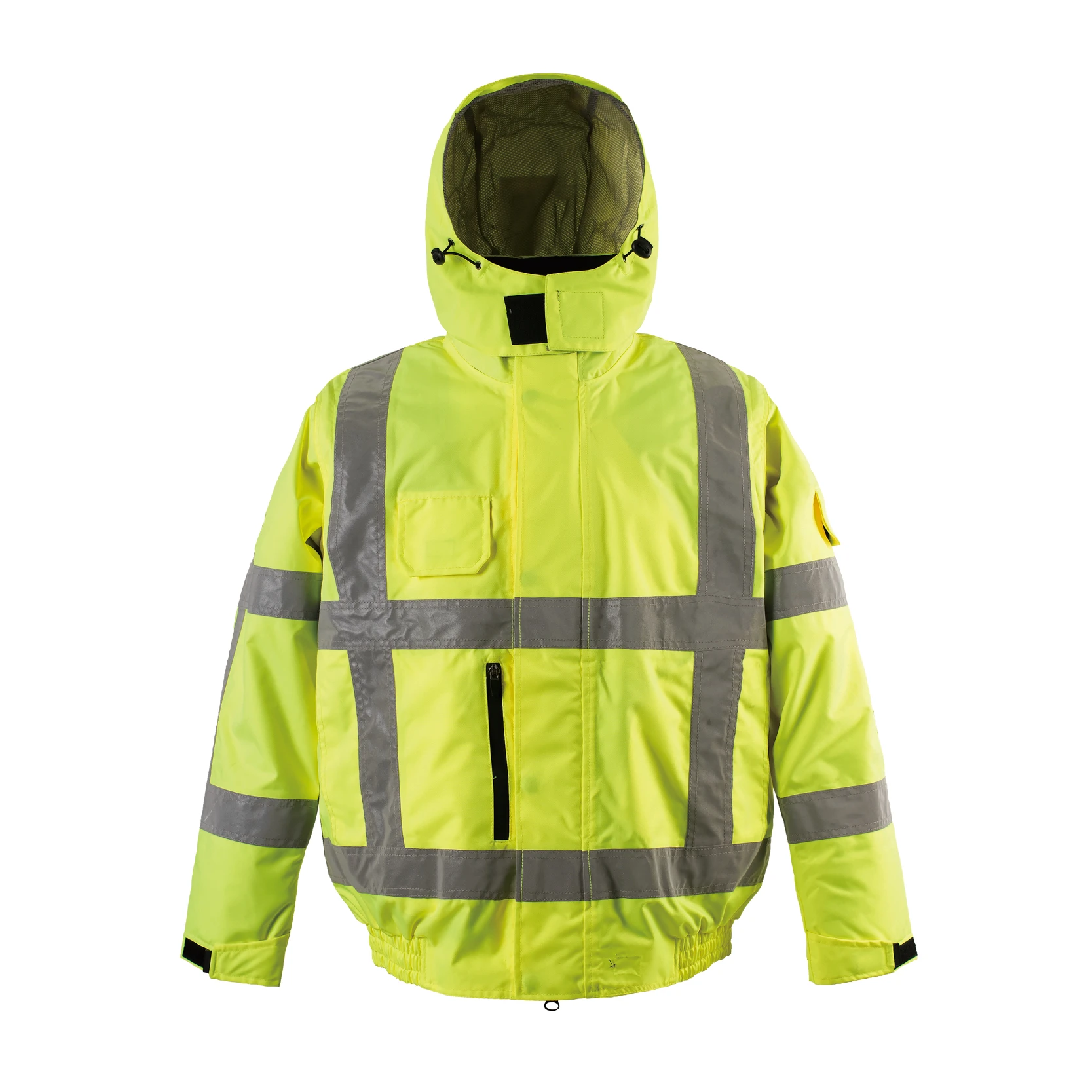
At its core, a high visibility jumpsuit is a single-piece garment designed to make the wearer very visible against backgrounds in various lighting conditions. Combining fluorescent fabrics with reflective tapes, it meets specific standards (think ANSI/ISEA 107) that regulate reflectivity and color brightness.
Why jumpsuits? Because they cover more ground, literally — body, arms, and legs — providing comprehensive safety coverage. They also prevent loose fabric from getting caught in machinery, enhancing safety further.
Industrial sectors rely heavily on these garments: construction crews, traffic police, emergency responders, and even airport ground workers. Humanitarian organizations also trust them during disaster relief efforts to keep volunteers visible and safe in chaotic environments.
Core Features That Make High Visibility Jumpsuits Work for You
Durability and Fabric Quality
They’re crafted from tough nylon or polyester blends with water-resistant coatings. Rough job sites demand ruggedness — tearing fabric is a no-go.
Visibility Standards Compliance
The reflective strips aren’t random. They adhere to global safety standards, ensuring visibility from all angles and in varied lighting.
Comfort and Fit
Designers consider that workers wear these all day. Breathable materials, stretch zones, and adjustable features help prevent overheating and fatigue.
Weather Resistance
Most modern jumpsuits include windproof, waterproof layers — a blessing for those working in unpredictable climates.
Easy Maintenance
Most can be machine-washed without losing reflectivity. This is kind of critical since dirt and grime can dull high viz effects.
Additional Functionalities
Some jumpsuits come with pockets, hood attachments, or tool holders — a little touch that can dramatically improve day-to-day usability.
Mini takeaway: These elements come together to form a safety garment that’s not just seen but also seen to be effective.
How High Visibility Jumpsuits Are Used Across the Globe
They’re everywhere — in rugged Australian mines, bustling urban construction sites in New York, and post-disaster relief camps in Southeast Asia.
- Industrial Zones: Where machinery and vehicles mix, jumpsuits keep workers from fading into the background.
- Emergency Response: Paramedics and firefighters use them to stay visible in chaotic and smoky environments.
- Transportation Hubs: Airport ramp agents and railway workers benefit from increased visibility to prevent accidents.
- Humanitarian Aid: NGOs rely on them when mobilizing large teams in often poorly lit or unstable conditions.
For instance, after the 2018 Indonesian earthquake, aid workers wore hi-visibility jumpsuits tailored for tropical climates, helping avoid confusion in densely crowded sites.
Key Advantages & Why They’re Worth the Investment
Beyond safety statistics, the high visibility jumpsuit delivers tangible benefits:
- Cost-effectiveness: A durable suit reduces repeat purchases.
- Sustainability: Many manufacturers now use recycled fabric blends.
- Social impact: Promotes dignity and respect for workers, enhancing morale.
- Compliance ease: Simplifies meeting legal workplace safety regulations.
Plus, if you think about the emotional side — a worker feeling protected and valued tends to perform better and trust their employer more. It’s innovation meeting empathy.
Looking Ahead: Trends Shaping the Future of High Visibility Jumpsuits
The next generation is all about tech integration and sustainability.
- Smart Fabrics: Embedded sensors that monitor wearer vitals or environmental hazards.
- Eco-Friendly Materials: Biodegradable fibers or recycled plastics to cut environmental footprint.
- Enhanced Reflectivity: New nano-coatings offering better brightness without bulk.
- Customization: Modular designs allowing for quick adaptation across seasons or job types.
These innovations aren’t just sci-fi — some products are already in testing phases, particularly for remote work environments demanding top reliability.
Confronting the Challenges and Smart Workarounds
Still, it’s not all smooth sailing.
- Cost Barrier: Premium features can hike prices, affecting smaller operators.
- Compliance Confusion: Regional standards sometimes clash, making procurement tricky.
- Wear and Tear: Intense environments sometimes degrade reflectivity faster than expected.
Experts suggest multi-vendor partnerships and investing in training workers on garment maintenance as effective solutions to these problems.
Product Specifications at a Glance
| Feature | Specification |
|---|---|
| Fabric | Polyester 300D Ripstop with PVC coating |
| Reflective Tape | 3M Scotchlite reflective material, ANSI/ISEA 107 compliant |
| Water Resistance | IPX4 (splash resistant) |
| Sizes Available | XS - 4XL |
| Weight | Approx. 850g |
| Certifications | ANSI/ISEA 107 Class 3, EN ISO 20471 |
Vendor Comparison: Selecting Your High Visibility Jumpsuit Supplier
| Vendor | Fabric Quality | Compliance & Certification | Customization Options | Price Range | Lead Time |
|---|---|---|---|---|---|
| Jide Garment | Premium polyester blends | ANSI/ISEA 107, EN ISO 20471 | Logo printing, sizes, colors | $$ | 4-6 weeks |
| BrightSafe Inc. | Standard polyester | ANSI compliant only | Limited | $ | 2-4 weeks |
| SafeWear Solutions | Heavy-duty synthetic blend | EN ISO 20471 certified | Custom sizes, reflective options | $$$ | 6-8 weeks |
FAQ: What You Really Want to Know About High Visibility Jumpsuits
Q1: How often should high visibility jumpsuits be replaced?
A: Typically, manufacturers recommend replacement every 1 to 2 years depending on usage frequency and environmental conditions. If the reflective tape becomes damaged or the fabric faded, it’s time for an upgrade to maintain safety compliance.
Q2: Can these jumpsuits be customized for company branding?
A: Absolutely. Many vendors offer logo printing, color accents, and custom sizing to suit specific industry needs, enhancing team identity while ensuring safety.
Q3: Are they comfortable to wear in hot climates?
A: Modern jumpsuits often feature breathable materials and mesh panels to improve air circulation. However, for extremely hot environments, lightweight or ventilated alternatives might be better—always worth discussing options with the vendor.
Q4: Do high visibility jumpsuits comply with international safety standards?
A: The best products come certified under ANSI/ISEA 107 (U.S.) and EN ISO 20471 (Europe) standards, which ensure minimum reflectivity and color levels suitable for occupational safety worldwide.
Q5: Where can I find reliable suppliers for high visibility jumpsuits?
A: Trusted manufacturers like Jide Garment and others listed above specialize in compliant, durable, and customizable jumpsuits to match a variety of workplace demands.
Wrapping Up: Why Investing in High Visibility Jumpsuits Is a Smart Move
To sum up, high visibility jumpsuits are more than just bright-colored clothes — they’re a critical piece of the safety puzzle across industries worldwide. They reduce accidents, boost worker morale, and keep teams compliant with stringent safety laws. With ongoing technological advances and sustainability efforts, the future of these garments feels promising and, frankly, a bit exciting.
If you’re looking to prioritize safety without sacrificing comfort or style, it’s worth checking out options at Jide Garment. Their range combines proven durability with customization flexibility — and that’s a tough combo to beat.
After all, when someone’s life depends on what they wear, ‘high visibility’ isn’t just a phrase. It’s a responsibility.