
Understanding the High Visibility Gilet: Why It Matters Globally
When you hear “high visibility gilet,” you might picture a bright vest that workers wear on a construction site or roadwork zone. But beneath that simple garment lies global importance: it’s about safety, compliance, and saving lives. The bright neon colors and reflective strips aren’t just design choices; they are critical tools that prevent accidents worldwide. From busy urban areas to dangerous industrial zones, understanding this piece of protective equipment helps us appreciate the intersection of innovation, regulation, and human wellbeing.
According to data from the International Labour Organization (ILO), around 340 million occupational accidents occur each year globally, many avoidable by simple means like high visibility gear. So yes, this isn’t just about fashion or trends; it’s about reacting to a widespread challenge of worker safety across industries, seasons, and environments.
Why the High Visibility Gilet Has Become a Global Safety Staple
Look around, and you’ll notice more people donning high visibility gilets—not just in construction or manufacturing but also in logistics, emergency services, and even cycling communities. The global emphasis on occupational health and safety standards (ISO 20471 for high visibility clothing, for example) reflects how seriously countries and companies take visibility gear.
But there’s more to it. The rapid pace of urbanization and industrial growth, especially in Asia and Africa, means more people work in risky environments where being seen can mean the difference between life and injury. The high visibility gilet addresses this risk squarely, creating a universal layer of protection that’s equally relevant in a busy Paris street or a remote oil rig in the Middle East.
High Visibility Gilet: What It Is and Why It Works
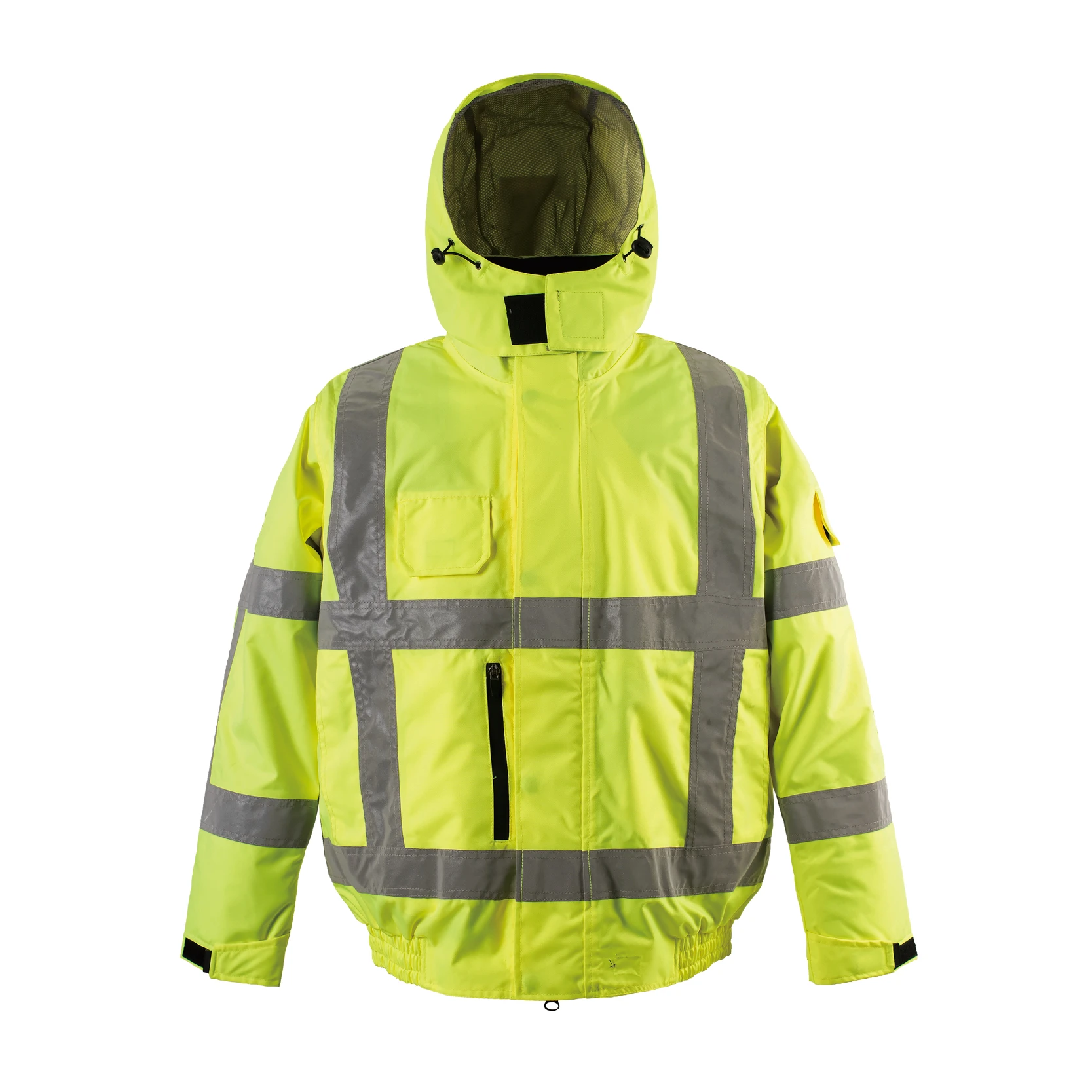
Simply put, a high visibility gilet is a sleeveless, lightweight jacket typically made from neon-colored fabric, enhanced with reflective strips. This design maximizes visibility in low-light and complex conditions. But it’s more than just color and reflectivity. Modern gilets balance breathability, durability, and comfort—because it’s not enough to be visible if a worker won’t wear the thing properly.
In humanitarian contexts, especially disaster relief, these gilets mark aid workers and volunteers, helping coordination in chaotic scenes. So their significance reaches beyond typical industrial use; they’re part of a bigger story of public safety and organization.
Core Features of Effective High Visibility Gilets
1. Durability
These gilets are built to withstand tough environments. Ripstop fabrics, water resistance, and reinforced stitching mean they last through rain, abrasion, and frequent washing. For industries like construction, the last thing you want is gear that fails after a week.
2. Visibility Standards Compliance
Most high visibility gilets conform to standards such as EN ISO 20471. This ensures minimum brightness levels and reflectivity, tested under standardized conditions. It’s a vital aspect — buying cheap but non-certified items is a false economy and a safety risk.
3. Comfort & Fit
While attention often focuses on visibility, comfort keeps workers safe by ensuring they wear the gilet consistently. Materials are chosen for breathability and weight, and adjustable fits accommodate layering—important in colder climates or seasons.
4. Customization & Branding
Many companies invest in customized gilets with logos, role identifiers, or special features like pockets. This fosters professionalism and helps workers quickly identify team members, particularly in large-scale projects or emergency scenarios.
5. Cost Efficiency
Although quality gilets may be pricier upfront, their durability and compliance often reduce long-term replacement costs and liability concerns. This balance is crucial, especially for large fleet operators or governments managing public safety budgets.
6. Environmental Sustainability
Interesting developments include eco-conscious fabrics made from recycled PET bottles or enhanced recyclability, responding to sustainability demands in global supply chains.
Quick Takeaway:
The high visibility gilet isn't just a simple safety measure but a carefully engineered product merging regulation, comfort, and innovation to meet a broad range of needs.
Global Applications: Where and How High Visibility Gilets Shine
The applications span construction sites in Germany, traffic management in Australia, humanitarian aid in disaster zones in the Philippines, and logistics hubs in Brazil. What they share in common is a requirement for high visibility in working environments defined by risk.
For example, in post-disaster relief operations, volunteers wearing high visibility gilets are easier to identify amidst rubble and crowds, improving coordination. In remote mining zones in Canada and South Africa, the gilet's reflective elements reduce accidents on uneven terrain especially at dusk or dawn.
| Feature | Specification |
|---|---|
| Material | 100% Polyester Ripstop, water resistant |
| Reflective Tape | Silver reflective strips compliant with EN ISO 20471 |
| Colors Available | Fluorescent Yellow, Orange, Lime Green |
| Weight | Approximately 150 grams |
| Sizes | Available from S to 4XL |
| Additional Features | Zipper or Velcro front, adjustable sides, chest pockets |
The Long-Term Value of High Visibility Gilets
Honestly, what really stands out with high visibility gilets is how they deliver tangible, often underestimated value. They reduce workplace accidents, a direct cost saving. But more subtly, they cultivate a safety culture—when workers visibly wear safety gear, it sets a norm, increasing collective vigilance.
Emotionally, workers often report feeling “seen” and safer, reinforcing trust in employers who invest in proper gear. Meanwhile, socially, the impact ripples out—families less worried, communities more secure. It’s this combination of practical and emotional value that makes the gilet more than just a piece of fabric.
Emerging Innovations in High Visibility Gilets
Looking ahead, we see some exciting trends: fabrics embedded with LED strips powered by thin batteries or solar cells, for instance. These go beyond reflectivity to active visibility at night. There’s also promising development of integrated sensors within gilets—temperature, heart rate, or location trackers—linked to IoT systems managing worker safety real-time.
What’s particularly promising is the push toward sustainability. Manufacturers experiment with recycled polyester from plastic bottles or biodegradable coatings. Policies in the EU and North America increasingly encourage eco-conscious PPE production, a hopeful sign for greener workwear futures.
Challenges Still to Overcome
But it’s not all perfect. A common headache is counterfeit or subpar products flooding the market—non-certified gilets that look the part but fail safety tests. This poses major risks and headaches for procurement teams.
Another challenge is balancing visibility with wearer comfort, especially in hot climates where reflective vests can feel stifling. Innovations in fabric breathability and adjustable designs help but don’t fully solve this yet.
Fortunately, companies like Jide Garment are investing deeply in R&D and working with regulatory bodies to raise standards and public awareness.
Vendor Comparison: Popular High Visibility Gilet Suppliers
| Vendor | Certifications | Customization Options | Price Range (USD) | Lead Time |
|---|---|---|---|---|
| Jide Garment | EN ISO 20471, CE | Logo printing, colors, sizes, special features | $7 - $15 per piece | 7 - 15 days |
| SafetyPro Inc. | ANSI/ISEA 107 (US) | Limited color & logo | $8 - $13 | 5 - 10 days |
| GlowTec Ltd. | EN ISO 20471 | Standard sizes only | $5 - $10 | 3 - 7 days |
Frequently Asked Questions About High Visibility Gilets
Q1: What makes a high visibility gilet compliant with safety standards?
A: Compliance typically means the garment meets minimum fluorescent color intensity and reflective retro-reflectivity as defined by standards like EN ISO 20471 or ANSI/ISEA 107. Certification includes lab testing under specific light conditions, ensuring visibility day and night.
Q2: Can high visibility gilets be customized for specific industries?
A: Absolutely. Many manufacturers offer customization in terms of colors, logos, and features like pockets or ID card holders. This helps industries like emergency services, logistics, and construction distinguish roles while maintaining safety standards.
Q3: How long does a high visibility gilet typically last?
A: With regular use and compliant washing, most gilets last between 1-3 years. Durability depends on fabric quality, frequency of use, and environmental exposure. Inspections are recommended to ensure reflectivity hasn’t diminished.
Q4: Are recycled materials used in modern high visibility gilets?
A: Yes, the market is moving toward environmentally responsible options. Some suppliers incorporate recycled PET fibers and use non-toxic dyes, aligning with global sustainability trends.
Q5: How do I select the right size and fit for a high visibility gilet?
A: It’s best to layer your typical work clothes underneath and choose sizes accordingly. Adjustable side straps or Velcro closures help achieve a close fit without restricting movement. Check manufacturer sizing charts carefully.
Wrapping Up: Why Investing in the Right High Visibility Gilet Is Essential
Long story short, the humble high visibility gilet does some heavy lifting in worker safety and risk reduction worldwide. Whether you’re outfitting a municipal road crew, an international aid team, or warehouse staff, selecting certified, durable, and comfortable gilets is a no-brainer for smart safety management.
Interested in exploring quality options or need custom workwear solutions? Visit https://www.jidegarment.com to learn more about high visibility gilets tailored to your needs and backed by trusted certifications.