
Understanding High Visibility FR Coveralls: Why They Matter Globally
High visibility FR coveralls – it’s a mouthful, right? But behind that technical name lies a lifesaving piece of clothing worn by countless professionals worldwide. Simply put, these are flame-resistant (FR) coveralls designed with bright, often fluorescent fabrics that boost visibility. Think highway road workers, oil rig technicians, or emergency responders who work in hazardous environments. The global need for safety gear like this is only growing—due in part to stricter safety regulations and heightened awareness of workplace hazards.
Globally, industries lose thousands of work hours annually due to accidents caused by low visibility and fire hazards. According to the International Labour Organization (ILO), “more than 2.7 million workers die every year due to occupational accidents and diseases.” Using high visibility FR coveralls helps stop those numbers from rising. These garments blend two critical safety features: visibility to avoid accidents, and fire resistance to prevent devastating injury. In short, they’re vital in today’s industrial and humanitarian landscape.
The Global Importance of High Visibility FR Coveralls
Whether you’re in a snowy Canadian construction site or a solar farm in sunny Spain, you've got people working in risky conditions. The World Health Organization (WHO) estimates that 60% of fatal accidents globally happen in industrial sectors with heavy machinery and fire risks. Low visibility, especially in low-light or poor weather, compounds the dangers. Add to that the presence of flammable gases, sparks, or open flames, and you have a real hazard cocktail.
High visibility FR coveralls don’t just meet local standards; they help companies comply with global safety certifications like ISO 20471 for visibility and NFPA 2112 for flame resistance. This helps reduce insurance claims, improves worker morale, and creates a culture of safety. Supply chains, too, are becoming more globalized, so standardizing safety gear like these coveralls is a key challenge — and a major opportunity.
What Exactly Are High Visibility FR Coveralls?
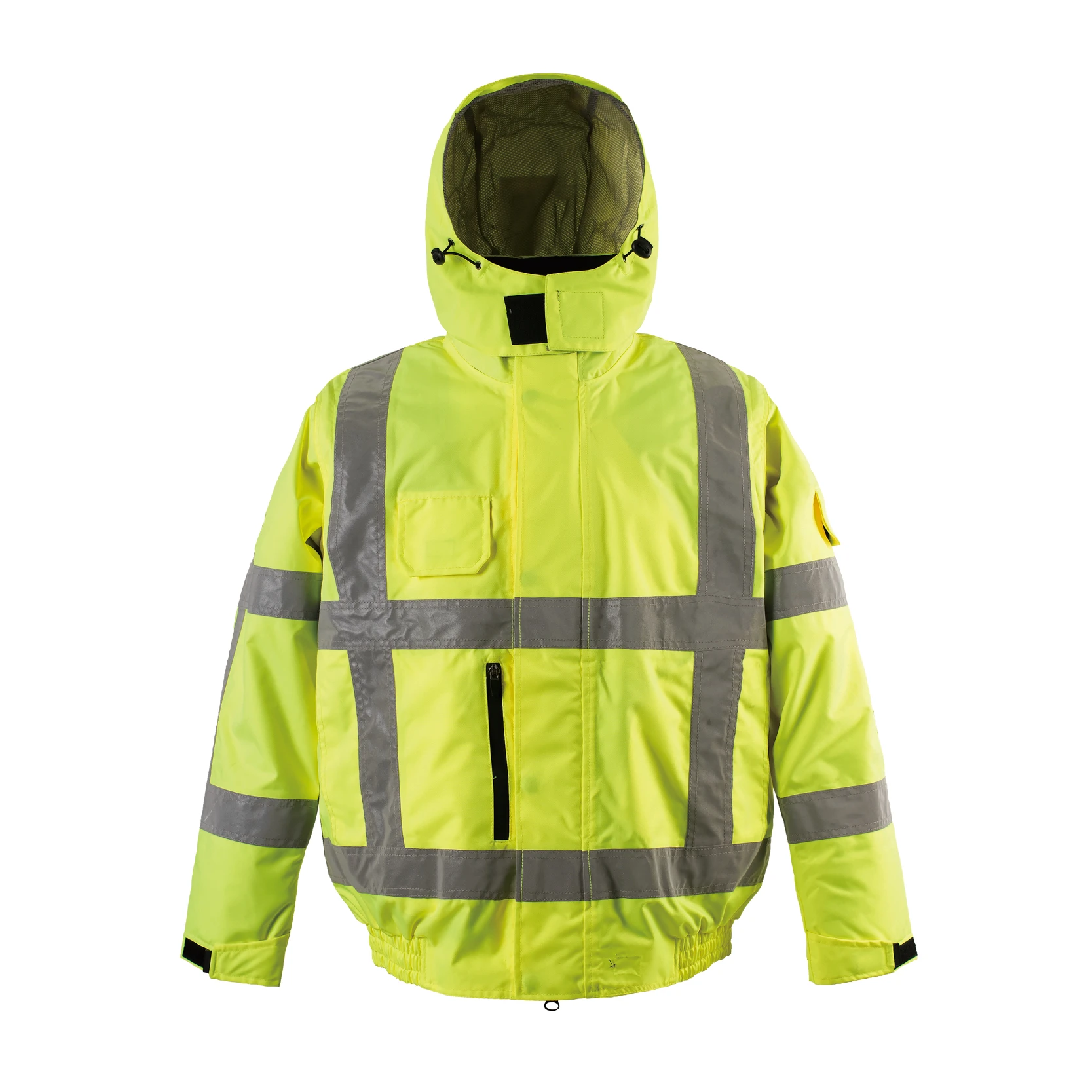
At their core, these coveralls serve two main purposes: Keep the wearer easily seen and provide protection against flash fires or flames. The “high visibility” part means materials used are fluorescent lime, orange, or yellow with reflective tape strips that shine brilliantly under headlights or low-light conditions. Meanwhile, the “FR” means the fabric is woven or treated to resist ignition, flame spread, and heat transfer.
Sounds simple, but combining these two in one garment is far from basic textile engineering. Modern high visibility FR coveralls use specialized blends of fibers—usually cotton and modacrylic or aramid fibers—that meet strict performance criteria. They’re essential in everything from oil & gas fields to electric utilities, mining operations, airports, and even humanitarian disaster zones where fire hazards loom.
Mini Takeaway:
These coveralls are not just “bright clothes” – they’re multi-functional safety gear addressing two big workplace dangers at once.
Key Features of High Visibility FR Coveralls
1. Durability
They have to withstand harsh environments—abrasions from machinery, chemical splashes, and repeated washing without losing protective qualities. Engineers tend to favor materials tested for tensile strength and thermal degradation.
2. Visibility
Bright fluorescent colors combined with retro-reflective tape make these coveralls easy to spot day and night. Visibility isn’t just for aesthetics; it reduces vehicle collisions and human errors on site.
3. Flame Resistance
They are certified to withstand certain levels of heat and open flames, often complying with standards like ASTM F1506 or NFPA 2112. The fabric might self-extinguish or delay burn times enough to allow escape.
4. Comfort and Breathability
Workers wear these for long shifts, sometimes in extreme temperatures. So fabric blends are engineered for moisture wicking and airflow without sacrificing safety.
5. Cost Efficiency
While pricier than standard workwear, their longevity and protection reduce overall costs related to injury payouts and frequent replacements.
Mini Takeaway:
High visibility FR coveralls balance multiple attributes: toughness, eye-catching color, and flame resistance, wrapped with worker comfort and sensible economics.
Where and How Are These Coveralls Used Around the World?
From oil rigs in the North Sea to electrical grid maintenance crews in Australia, these garments are everywhere. Here are a few key contexts:
- Industrial construction sites: Heavy equipment and moving vehicles need operators and ground workers visible at all times.
- Fire and emergency response: Urban firefighters use specialized versions under or over their turnout gear for road safety during night rescues.
- Mining operations: Often underground or at dusk, miners wear high visibility FR coveralls to stay protected from sparks and heavy machinery traffic.
- Electric utilities: Working around energized equipment demands FR protection plus high visibility for safety in switching yards or substations.
- Disaster relief teams: In post-disaster humanitarian efforts, workers need to be seen around debris and fire hazards.
Mini Takeaway:
Across sectors and continents, these coveralls help save lives. They’re not niche; they’re a fundamental safety staple.
Advantages and Long-Term Value of High Visibility FR Coveralls
Beyond ticking regulatory boxes, these coveralls offer tangible benefits:
- Enhanced Worker Safety: Reduced accidents means fewer injuries, fewer fatalities.
- Sustainability: Durable fabrics mean less frequent replacements and lower waste.
- Social Responsibility: Companies that invest in good PPE show they value employees, enhancing trust and retention.
- Cost Savings: Less downtime from accidents; insurance premiums often dip with better safety records.
Emotionally, it’s reassuring for workers to know they have garments designed to protect life and limb while fitting into modern workflows. Frankly, it shows a level of respect and innovation that boosts morale.
Product Specification at a Glance
| Feature | Typical Specification | Standard Compliance |
|---|---|---|
| Fabric Composition | 65% Modacrylic / 35% Cotton blend | NFPA 2112, ASTM F1506 |
| Color Options | Fluorescent Lime, Orange, Yellow | ISO 20471 Class 3 |
| Reflective Tape | 3M Scotchlite Reflective Tape | ISO 20471 |
| Weight | 8 oz/sq yd (approx.) | - |
| Flame Resistance | Self-extinguishing, no melting | NFPA 2112, ASTM F1959 |
High Visibility FR Coveralls: Comparing Top Vendors
| Brand | Price Range | Certification | Features | Customization |
|---|---|---|---|---|
| Brand A | $75–$100 | NFPA 2112, ISO 20471 | Heavy-duty, breathable fabric | Logo, sizing options |
| Brand B | $60–$90 | ASTM F1506, ISO 20471 | Lightweight, moisture-wicking | Color options, reflective sizing |
| Brand C | $85–$115 | NFPA 2112, ASTM F1959 | Advanced flame retardance, reinforced stitching | Custom patches, high-visibility tape patterns |
Future Trends in High Visibility FR Coveralls
It feels like yesterday when bright orange coveralls first showed up on construction sites. Forward-looking manufacturers are melding sustainability with tech — incorporating recycled fibers and flame-resistant finishes that last longer while shrinking environmental impact. Smart textiles with sensors to detect heat, chemical exposure, or wear-and-tear might soon become mainstream, syncing with wearables to alert supervisors in real-time.
Digitization is also influencing supply chains and product customization. Imagine a company ordering high visibility fr coveralls tailored exactly to their climate, size range and compliance needs through seamless online platforms. Automation in production keeps costs manageable while improving quality.
Addressing Challenges in Current Practices
Not all coveralls are created equal, and common issues arise:
- Balancing Comfort vs. Protection: Overly bulky FR gear can be hot and restrictive, reducing worker compliance.
- Cost Barriers: Smaller companies might struggle with upfront costs, even if long-term ROI is obvious.
- Global Standards Diversity: Varying regulations can confuse procurement teams worldwide.
Industry experts recommend modular layering systems, subsidies for safety compliance, and internationally harmonized standards as promising solutions.
FAQ: Your Questions About High Visibility FR Coveralls
Q1: How often should high visibility FR coveralls be replaced?
A: Replacement frequency depends on wear and tear, but typically every 1 to 2 years for heavy use is recommended. Look for damage, fading of fluorescent material, or wear on reflective tape as signs it’s time for new coveralls.
Q2: Are these coveralls suitable for all-weather conditions?
A: Many models come with breathable fabrics for warmer climates and layering options for cold weather. However, extreme climates may require specialized gear, so always check product specs for suitability.
Q3: Can high visibility FR coveralls be customized?
A: Yes, most vendors offer customization like company logos, name tags, and color variations, which can help with branding and worker identification.
Q4: How do these coveralls stand up to washing and maintenance?
A: Proper washing following manufacturer guidelines preserves flame resistance and visibility. Avoid bleach and fabric softeners. Many coveralls can handle industrial laundering but check certification for laundering cycles.
Q5: Are there eco-friendly options available?
A: Increasingly, yes. Some manufacturers use recycled fibers and eco-conscious flame retardants to reduce environmental impact while maintaining strict safety standards.
Conclusion: Why Investing in High Visibility FR Coveralls Pays Off
In the grand scheme, these coveralls do more than protect bodies—they protect livelihoods and families. They embody a commitment to safety that transcends borders and industries. As the world pushes toward more demanding safety regulations and sustainable practices, high visibility FR coveralls are evolving to meet those needs with better fabrics, smarter features, and wider availability.
If you want to ensure your team is outfitted with trustworthy, cutting-edge protective wear, don’t hesitate to explore designs and options from trusted suppliers. For a comprehensive range of performance-tested high visibility fr coveralls, visit our website today and take the first step toward safer worksites tomorrow.
References
- International Labour Organization (ILO) - Workplace Safety Statistics
- ISO 20471 High-Visibility Clothing Standard
- NFPA 2112 Standard on Flame-Resistant Garments