
The Rising Importance of the High Visibility Coat in Safety and Industry
When you think safety gear, does a high visibility coat come to mind? It probably should. Across the globe, these bright, reflective, often fluorescent garments do more than just pop color—they save lives. From bustling urban construction sites to remote humanitarian missions, high visibility coats have become essential protective gear. But why all the fuss? The simple truth is, visibility equals safety, and understanding this gear unlocks benefits ranging from accident prevention to worker confidence.
Why High Visibility Coats Matter Worldwide
Globally, occupational accidents are a huge concern. The International Labour Organization (ILO) notes that over 340 million work-related accidents occur yearly, many of which involve poor visibility in hazardous environments. A high visibility coat addresses this challenge head-on. Whether it’s nighttime roadwork in North America or flood relief efforts in Southeast Asia, these garments boost visibility, reducing accidents dramatically.
Think about the statistics: The World Health Organization estimates that traffic injuries are the leading cause of death among people aged 5-29. For roadside workers and emergency responders, a neon yellow or orange coat isn’t just fashion—it’s a lifesaver. Plus, ISO standards like 20471 strictly regulate visibility gear to ensure consistent protective quality worldwide, making these coats part of a global safety standard, not just local preference.
Mini takeaway:
- High visibility coats are a proven safety investment worldwide.
- Global standards ensure reliable protection across industries.
What Exactly Is a High Visibility Coat?
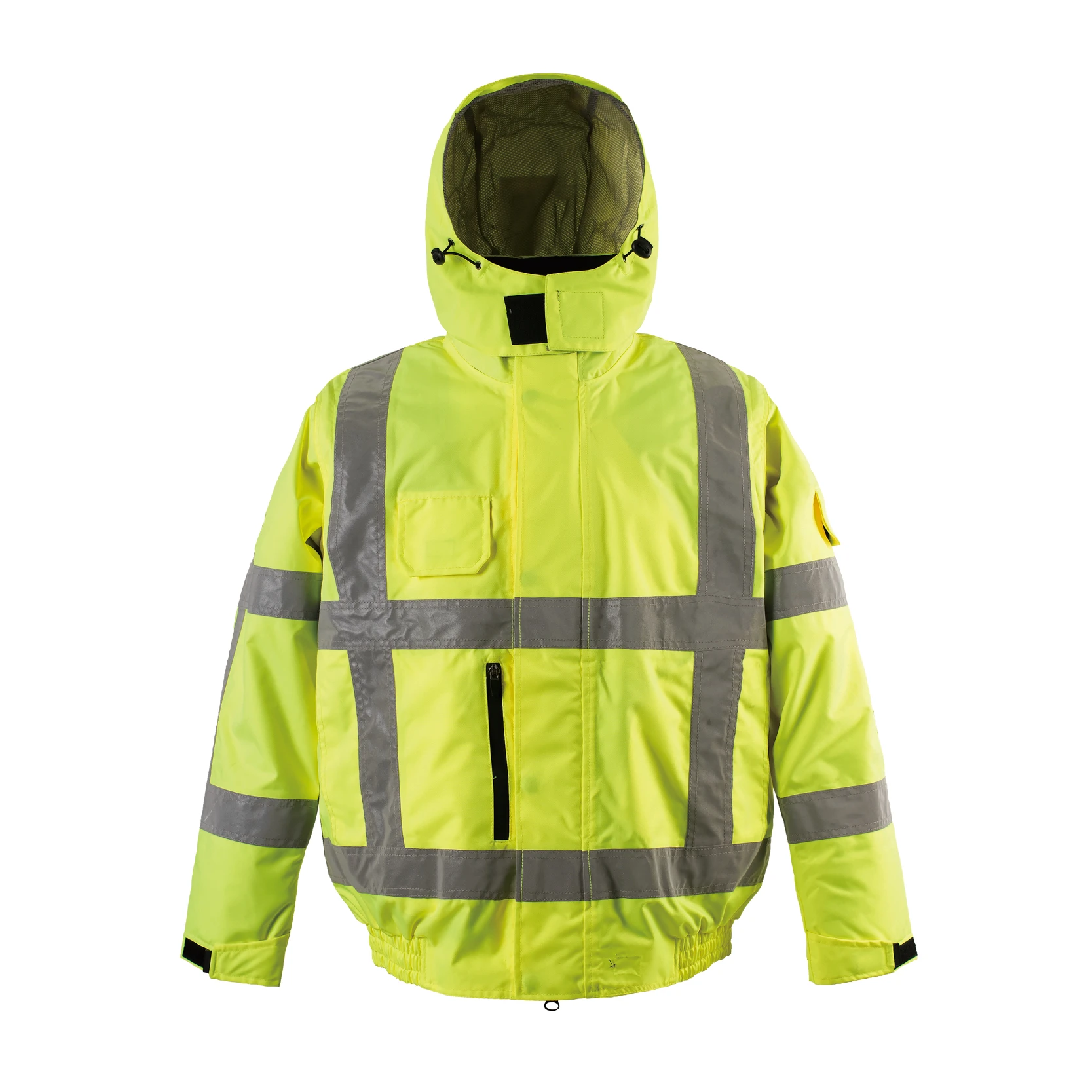
Simply put, a high visibility coat is a brightly colored jacket equipped with reflective strips or materials designed to stand out in low light or complex environments. They play a crucial role in making the wearer unmistakable from afar—day or night. The coats tie into modern needs where workers, responders, or anyone exposed to hazardous conditions must be instantly noticed to prevent accidents or confusion.
That connection to modern industry is profound: from logistics warehouses using automated forklifts to humanitarian groups managing disaster zones, the coat bridges visibility gaps that technology alone can’t fill. It’s a simple, robust solution with an outsized impact on safety.
Core Components of High Visibility Coats
1. Reflective Material
The hallmark of a high visibility coat, reflective strips bounce back light from vehicle headlights or flashlights, making the wearer clearly visible at distances in the dark—think of it as a fluorescent beacon with a reflective halo.
2. Fluorescent Colors
Neon yellow, bright orange, and lime green dominate because they naturally stand out even in daylight or fog, blending visibility with vibrancy in often-dreary environments.
3. Durable Fabric
These coats aren’t delicate. They’re made tough — resistant to tears, water, and sometimes fire-retardant, depending on industry needs. Durability equals peace of mind in the field.
4. Weatherproofing
Rain or shine, a high visibility coat often features breathability and waterproofing, aiming for all-weather comfort without compromising safety.
5. Comfort & Fit
Oddly enough, comfort affects compliance. If a worker dislikes their vest or coat’s bulkiness or fit, they may remove it—defeating the purpose. So ergonomic design, adjustable cuffs, and light layers matter.
6. Certification Compliance
Look for CE marking or compliance with the aforementioned ISO 20471 standard — meaning the product meets rigorous testing for visibility, durability, and design.
Mini takeaway:
- Visibility, durability, and comfort are the tripod for an effective coat.
- Certified coats bring trusted performance, especially in industrial settings.
Product Specification Snapshot
| Specification | Details |
|---|---|
| Material | Polyester, TPU laminated for waterproofing |
| Reflective Tape | 3M Scotchlite Reflective Tape, 50mm wide |
| Color Options | Neon Yellow, Flame Orange, Lime Green |
| Water Resistance | >10,000 mm hydrostatic head |
| Standard Compliance | ISO 20471 Class 3, CE Certified |
| Sizes | S to 5XL with adjustable cuffs and waist |
How It’s Used Across the Globe
There’s a kind of surprising breadth to the high visibility coat’s reach. Imagine a construction crew working night shifts on a freeway in Germany. There’s a fleet of emergency workers aiding flood victims in Bangladesh. Or think of airport ground staff orchestrating logistics in the pitch black. In each, that coat does its exaggerated but vital job—making human form stand out.
Industries benefiting include:
- Construction & Road Maintenance: Night shifts and harsh conditions demand extra visibility.
- Emergency Services: Firefighters, paramedics, and police rely on reflective coats for quick ID in chaos.
- Logistics & Warehousing: Inside enormous warehouses with automated machines, high visibility gear prevents collisions.
- Humanitarian & Disaster Relief: In rough terrains or unstable zones, NGOs emphasize visibility to safeguard teams.
- Industrial Manufacturing: Heavy machinery zones benefit from clear visual worker identification.
Beyond these, nationwide standards mandate these coats in particular sectors as minimum PPE (Personal Protective Equipment).
Mini takeaway:
- High visibility coats cross borders and industries alike.
- They’re mandatory in many safety protocols worldwide.
But What Are the Long-Term Benefits?
Sure, the short-term advantage—workers not getting hit or tripped over—is obvious. But there’s a subtle, broader value often overlooked. Cost efficiency comes with reduced accidents; fewer insurance claims and downtime mean real savings. Sustainability is a growing angle: many manufacturers now focus on recyclable fabrics and biodegradable materials, blending safety with green responsibility.
Socially, these coats deliver dignity and respect. They show that a company or agency cares enough to invest in worker safety, building trust between managers and teams. And emotionally, safety gear that works well reduces worker anxiety, which can directly improve concentration and productivity—an elegant cycle of cause and effect.
Comparing Popular High Visibility Coat Suppliers
| Vendor | Price Range | Standard Compliance | Customization | Lead Time |
|---|---|---|---|---|
| BrightWear Inc. | $35 - $60 | ISO 20471 Class 3 | Logo & Color Options | 2-3 weeks |
| SafeGuard Apparel | $40 - $75 | CE Certified | Reflective Tape Styles | 1-2 weeks |
| VisibilityPro | $30 - $55 | ISO & CE Approved | Custom Sizing & Colors | 3-4 weeks |
Looking Ahead: Innovation and Sustainability
What’s next for the humble high visibility coat? Well, the future’s bright—pun intended. Manufacturers are experimenting with LED-embedded coats for active lighting, syncing visibility with digital safety systems. Smart fabrics that change brightness based on ambient light or wearer movement are under development.
Eco-conscious brands focus on recycled polyester made from plastic bottles, biodegradable reflective tapes, and waterless dyeing processes. Policy-wise, increased enforcement and updated ISO standards push companies to choose better gear, not cheaper compromises.
Challenges on the Road and How to Dodge Them
Every innovation has its bumps. Challenges include balancing cost with high-quality materials, ensuring wearer comfort (some materials feel plasticky), and maintaining reflectivity after multiple washes. I’ve talked to warehouse managers who complain about coats losing their sheen too soon, creating false confidence.
Solutions? Some vendors now offer extended warranties and garment replacement programs. Others invest in user education: showing how and when to inspect gear properly. Frankly, no coat protects if left dirty or worn out.
FAQs About High Visibility Coats
- Q: How long does a high visibility coat typically last under daily use?
- A: Generally, with proper care, these coats last 1-3 years, but durability varies by fabric quality and environment. Inspect reflective tape regularly for signs of wear.
- Q: Can high visibility coats be customized for company branding?
- A: Yes, many suppliers offer logo embroidery, custom colors, and reflective tape patterns. It’s a great way to combine safety with brand identity.
- Q: Are these coats effective in heavy rain or fog?
- A: Absolutely—waterproof coatings and bright fluorescent colors enhance visibility during adverse weather, though reflective material performs best with direct light sources.
- Q: What certification should I look for when purchasing high visibility coats?
- A: Opt for ISO 20471 compliance combined with CE certification. This ensures tested standards for reflectivity and durability.
- Q: How can NGOs ensure rapid procurement of high visibility coats in disaster zones?
- A: Partner with suppliers who offer fast shipping and stock emergency-ready inventory. Also, having pre-agreed contracts expedites the process significantly.
Wrapping It Up: Why You Should Invest in a High Visibility Coat
So really, the high visibility coat isn’t just a piece of safety gear; it’s a trust builder, a lifesaver, and increasingly a symbol of corporate responsibility. The long-term payoffs go beyond accidents prevented—they ripple through cost savings, workforce morale, and environmental awareness.
Curious to explore some of the best options? Don’t hesitate to check out our curated selection at high visibility coat for robust, certified products made with care and function in mind.
Quick takeaway:
- High visibility coats save lives and dollars.
- Look for certified, durable, and comfy options.
- The future's bright with LED and eco-innovations coming your way.