
The Importance of High Visibility Apparel in Today’s World
High visibility apparel isn’t just a fashion statement. Around the globe, it’s a frontline defense against accidents, injuries, and fatalities—especially in workplaces where visibility is a matter of life and death. From bustling construction sites to emergency relief zones, the concept of high visibility apparel underpins safety strategies that protect millions. Grasping what makes these garments vital opens the door to better safety management and deeper appreciation of design, material science, and regulation.
Mini takeaway: Understanding high visibility apparel means recognizing its role in safeguarding lives worldwide, in industries and beyond.
Global Context: Why High Visibility Apparel Matters More Than Ever
Industry data from the International Labour Organization (ILO) estimates over 2.3 million workplace deaths annually, many avoidable with proper protective gear. Organizations such as the UN’s International Labour Standards, as well as ISO regulations, emphasize high visibility personal protective equipment (PPE) to minimize accidents involving vehicles and machinery. In fact, high visibility apparel is mandatory in thousands of countries for workers in sectors from road maintenance to forestry.
The problem: low visibility accounts for a large share of workplace incidents, especially during low-light or nighttime conditions. That’s where high visibility apparel steps in, providing an easy-to-spot beacon amid chaos or darkness. Oddly enough, it’s sometimes overlooked or underutilized despite proven benefits.
Mini takeaway: Though globally recognized standards exist, the real challenge lies in proper adoption and compliance, especially in high-risk industries.
What Exactly Is High Visibility Apparel?
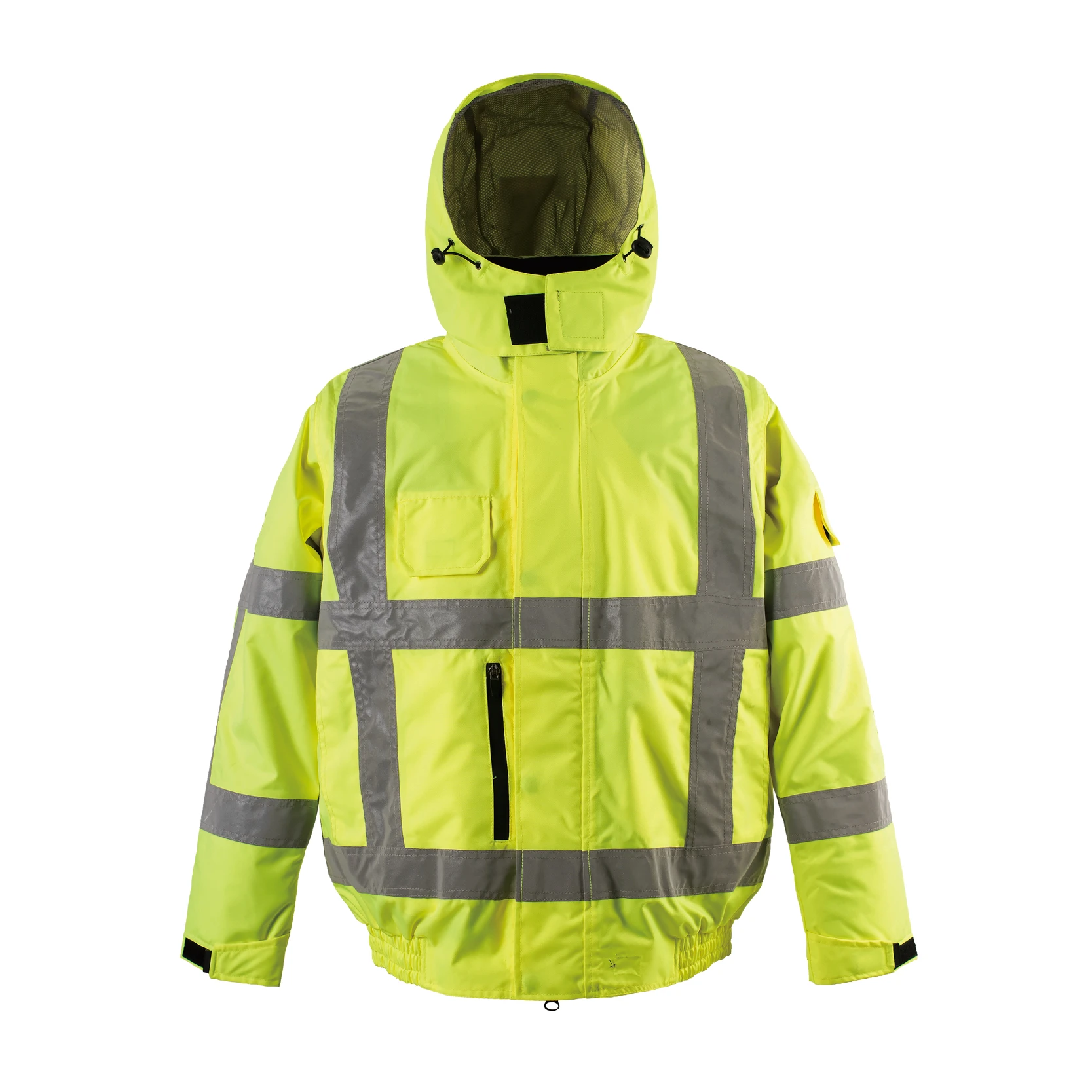
Simply put, high visibility apparel comprises clothing designed with fluorescent colors (typically yellow, orange, or lime green) combined with reflective strips or panels. These garments dramatically increase the wearer’s visibility during the day and night, especially under artificial light like vehicle headlights. The concept blends materials science with ergonomic design to ensure workers not only look visible but can also move comfortably.
Its role stretches beyond industrial use: humanitarian relief teams rely on it during post-disaster operations where visibility can mean coordination success or failure. So, it’s not mere clothing, but a life-preserving tool adapted for many practical needs.
Mini takeaway: High visibility apparel is about color, reflectivity, and smart design—coming together to save lives.
Key Factors That Define Effective High Visibility Apparel
1. Bright Fluorescent Colors
The core of high visibility clothing is its neon fluorescence, which exploits daylight wavelengths to “glow” and draw attention even in fog or shadows. Standards like ANSI/ISEA specify minimum areas of fabric in these colors for maximum effect.
2. Reflective Tape and Materials
Reflective strips use retro-reflective technology to bounce light directly back to sources such as headlights—making the wearer visible from hundreds of feet away. Quality and placement of this tape are crucial for optimal safety.
3. Durability and Comfort
Workers need apparel that lasts through wear, laundering, and weather. Fabrics often blend polyester with treatments for water-repellency and breathability, because awkward, itchy gear tends to be left behind, defeating the purpose.
4. Compliance and Certification
Meeting global or regional standards like EN ISO 20471 ensures your apparel passes rigorous tests for brightness, reflectivity, and overall performance under varied conditions. Compliance isn’t just bureaucratic—it speaks to reliability and trust.
5. Design Customization
Whether it’s adding company logos, varying garment types (jackets, vests, pants), or incorporating extra pockets, customization supports not only branding but also task-specific functionality.
Mini takeaway: Practical safety comes from a smart balance of visibility, durability, and usability all backed by standards.
Where High Visibility Apparel Truly Makes a Difference: Global Use Cases
- Construction and Road Works: From highways in the US to bridges in Europe, high visibility apparel protects workers from vehicles traveling at high speed.
- Emergency Services: Firefighters, paramedics, and police rely on high vis gear to remain identifiable in chaotic or dim environments.
- Industrial and Manufacturing Plants: In noisy, heavy machinery environments—like mining or steel mills—visibility prevents accidents.
- Disaster Relief Operations: In places struck by floods or earthquakes, NGOs equip volunteers with hi-vis clothing to organize rescue and ensure safety.
- Warehouse and Logistics: Workers operating near forklifts or large trucks need clear visibility for every move.
In remote industrial zones, sometimes far from standard medical aid, wearing proper high visibility apparel can literally be a worker’s last known protection.
Mini takeaway: Almost every region and sector benefits from high visibility apparel—from cities to remote rural sites, the underlying goal is universal: reduce risk.
The Tangible Benefits of Investing in High Visibility Apparel
- Enhanced Safety: Obvious, but bears repeating. Visibility drastically reduces accidents involving vehicles and machinery.
- Cost Savings: Preventing injuries saves money on medical treatment, litigation, and operational downtime.
- Worker Confidence and Morale: Employees who feel safe tend to be more productive and loyal.
- Sustainability: Long-lasting, reusable high visibility garments can reduce waste compared to disposable gear.
- Regulatory Compliance: Avoid costly fines and inspection failures; a must-have for legal operations.
Plus, let’s be honest—it conveys respect for the workforce. Wearing high visibility clothing isn’t just about rules; it’s a visible symbol that worker welfare and dignity matter.
Mini takeaway: The value of hi-vis wear extends beyond visibility—touching safety culture, budgets, and sustainability.
Product Specification Table: Typical High Visibility Apparel
| Feature | Details |
|---|---|
| Fabric | Polyester (with breathability and water resistance) |
| Fluorescent Color Options | Safety Yellow, Orange, Lime Green |
| Reflective Tape | 3M Scotchlite™ or equivalent, 50–100 mm width |
| Certification | ANSI/ISEA 107, EN ISO 20471 |
| Sizes | XS to 5XL with customization available |
| Weight | 200–250 g/m² fabric density |
Vendor Comparison: Choosing the Right High Visibility Apparel Supplier
| Vendor | Range | Certifications | Customization | Price Range |
|---|---|---|---|---|
| Jide Garment | Vests, Jackets, Pants | ANSI/ISEA 107, EN ISO 20471 | Logo, color, design | $$ |
| SafeWear Inc. | Full PPE Kits | ISO 20471 | Basic customization | $$$ |
| BrightGear Ltd. | Vests, Gloves | ANSI/ISEA | No customization | $ |
Looking Ahead: Emerging Trends in High Visibility Apparel
It’s not just about neon vests anymore. The future points toward smarter, greener, and connected gear:
- Eco-friendly fabrics: Using recycled polyester or biodegradable materials to reduce environmental impact.
- Smart textiles: Integrating LED strips or sensors that can alert wearers of hazards or location tracking during emergencies.
- Improved comfort: Advanced moisture-wicking, UV protection, and stretch fabrics that move naturally with workers.
- Enhanced regulations: Stricter policies tied to digital tracking to ensure PPE compliance across sites.
As digital transformation touches every industrial corner, hi-vis clothing will evolve from static safety wear into active, responsive equipment.
Mini takeaway: High visibility apparel is heading toward innovation that blends safety with sustainability and technology.
Overcoming Common Challenges in High Visibility Apparel
Issues do persist. For instance, users sometimes reject hi-vis clothing due to discomfort or aesthetics. Low-quality reflective tapes lose effectiveness after washing or rough use. Supply chain limitations can delay delivery to remote areas in urgent situations.
Addressing these, experts recommend:
- Investing in certified garments for guaranteed durability.
- Offering user training to highlight the impact of wearing safety gear.
- Partnering with reliable suppliers who offer customization and timely delivery.
- Exploring smart textiles to boost wearer acceptance.
Frankly, it’s a work in progress but the momentum for improvement is real.
FAQ: Common Questions About High Visibility Apparel
- What makes high visibility apparel essential for night work?
- Reflective materials in hi-vis garments bounce vehicle headlights back to drivers, greatly increasing a worker’s visibility at night—crucial in preventing accidents.
- How often should high visibility apparel be replaced?
- It depends on use and care, but typically every 6–12 months or when reflectivity fades or fabric wears out. Regular inspections help maintain safety.
- Can high visibility clothing be customized with logos?
- Yes, most vendors—including high visibility apparel suppliers—offer custom printing without compromising safety standards.
- Are there high visibility options suitable for extreme weather?
- Certain hi-vis jackets and pants include insulating layers, waterproof materials, and ventilation, designed specifically for harsh environments.
Conclusion: Why High Visibility Apparel is a Smart Investment for Safety and Success
High visibility apparel stands as more than just protective clothing: it’s a beacon of safety, responsibility, and care in risky environments. Its global adoption reflects a shared understanding that visibility saves lives, reduces costs, and empowers workers. For any organization serious about safety, investing in quality high visibility garments is essential.
Want to explore a premium range of high visibility apparel? Visit our website for trusted products designed with real-world needs in mind.
References: