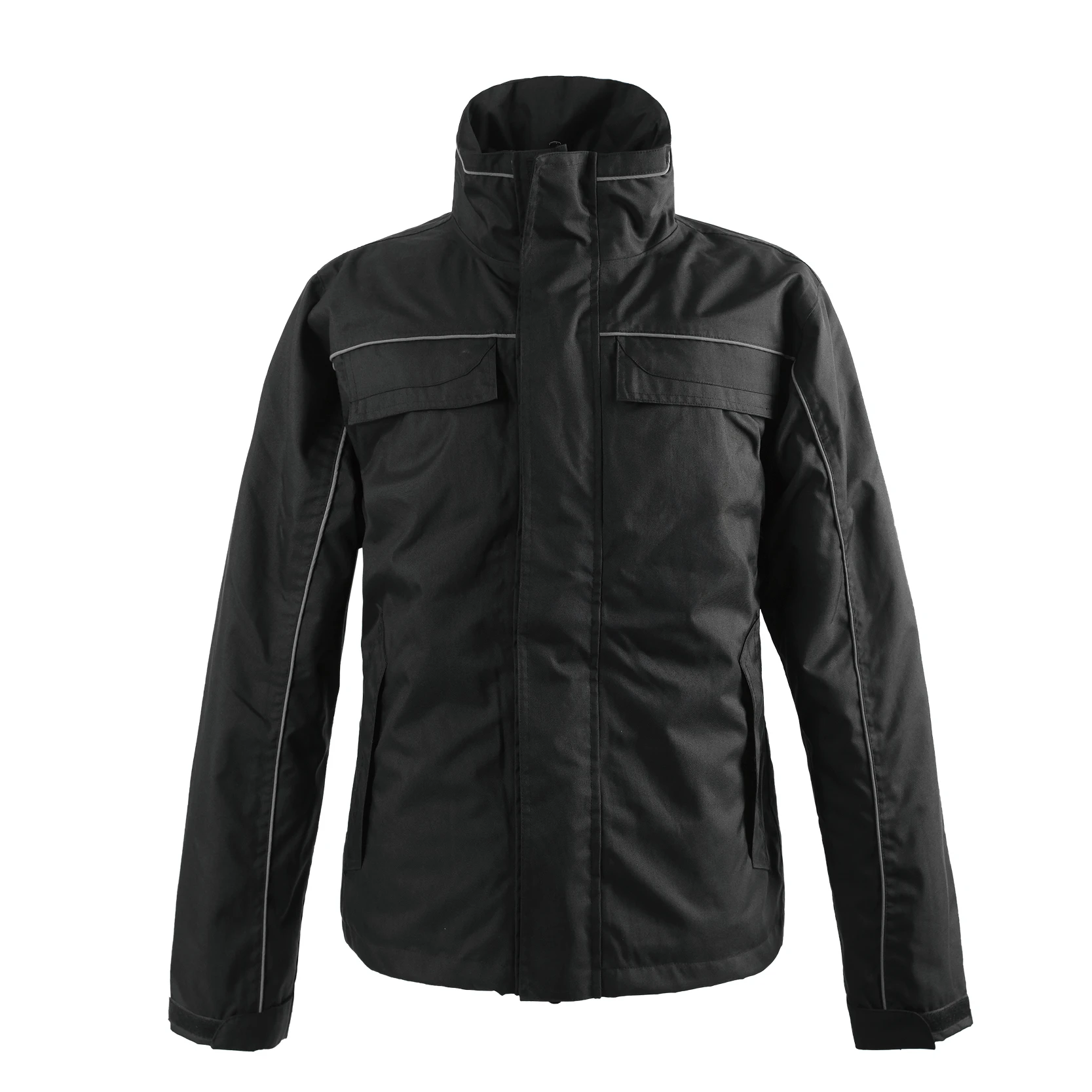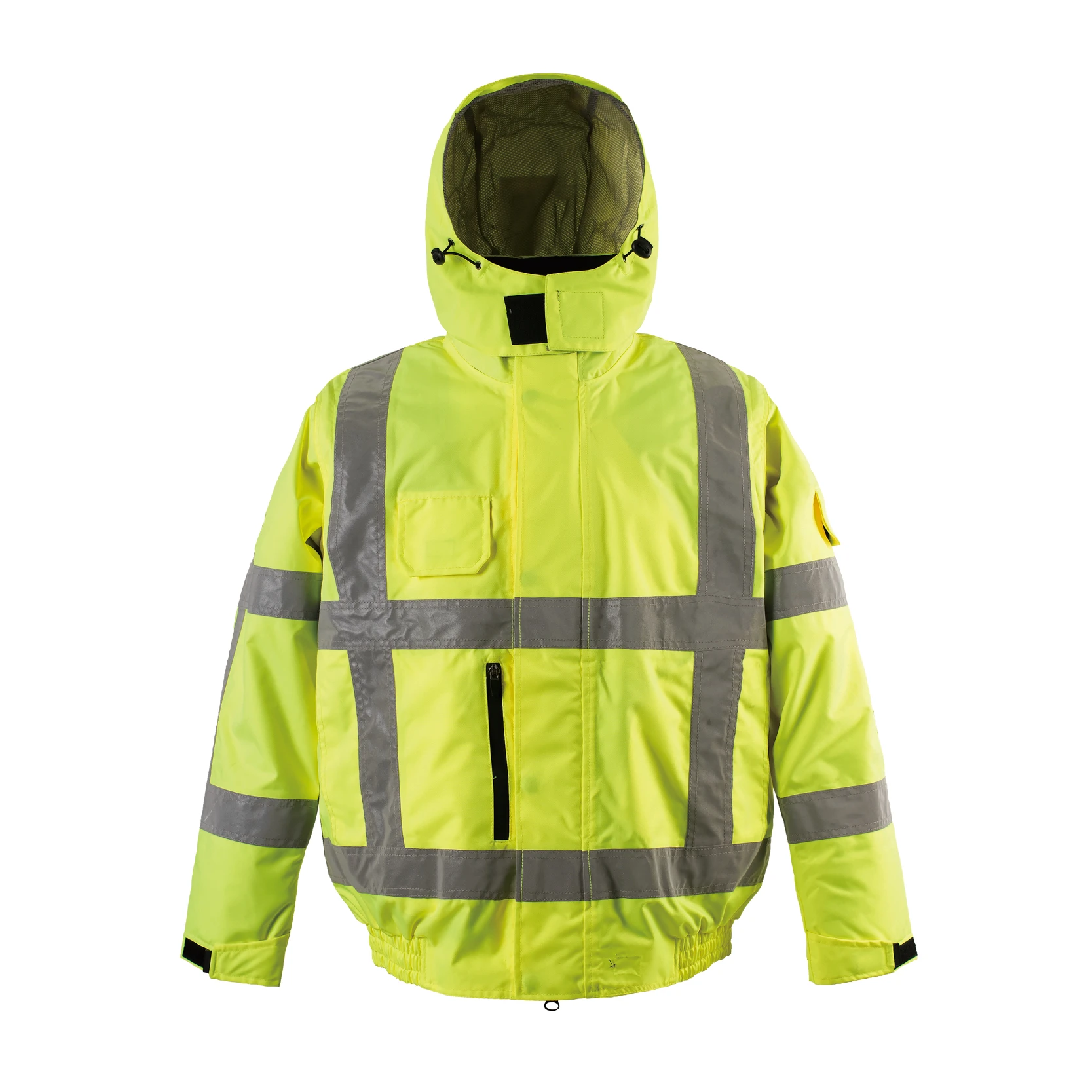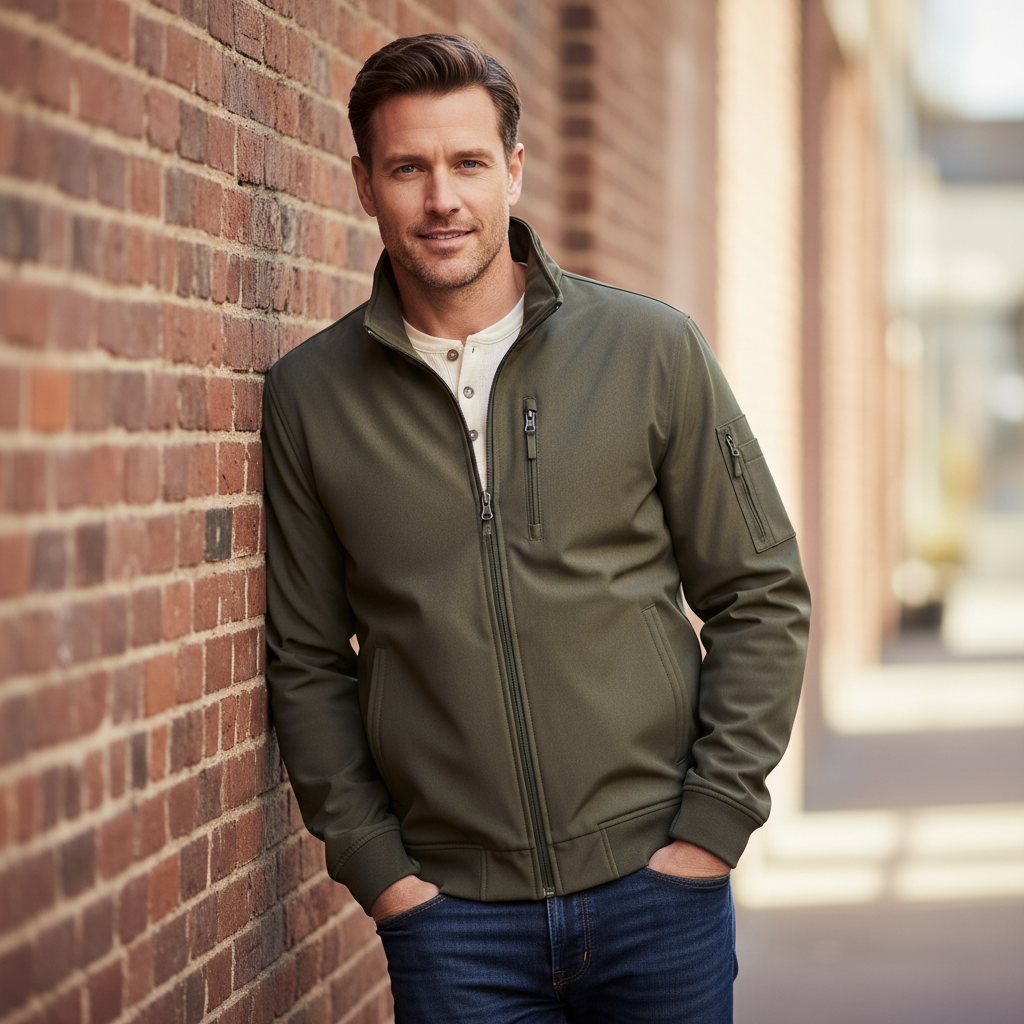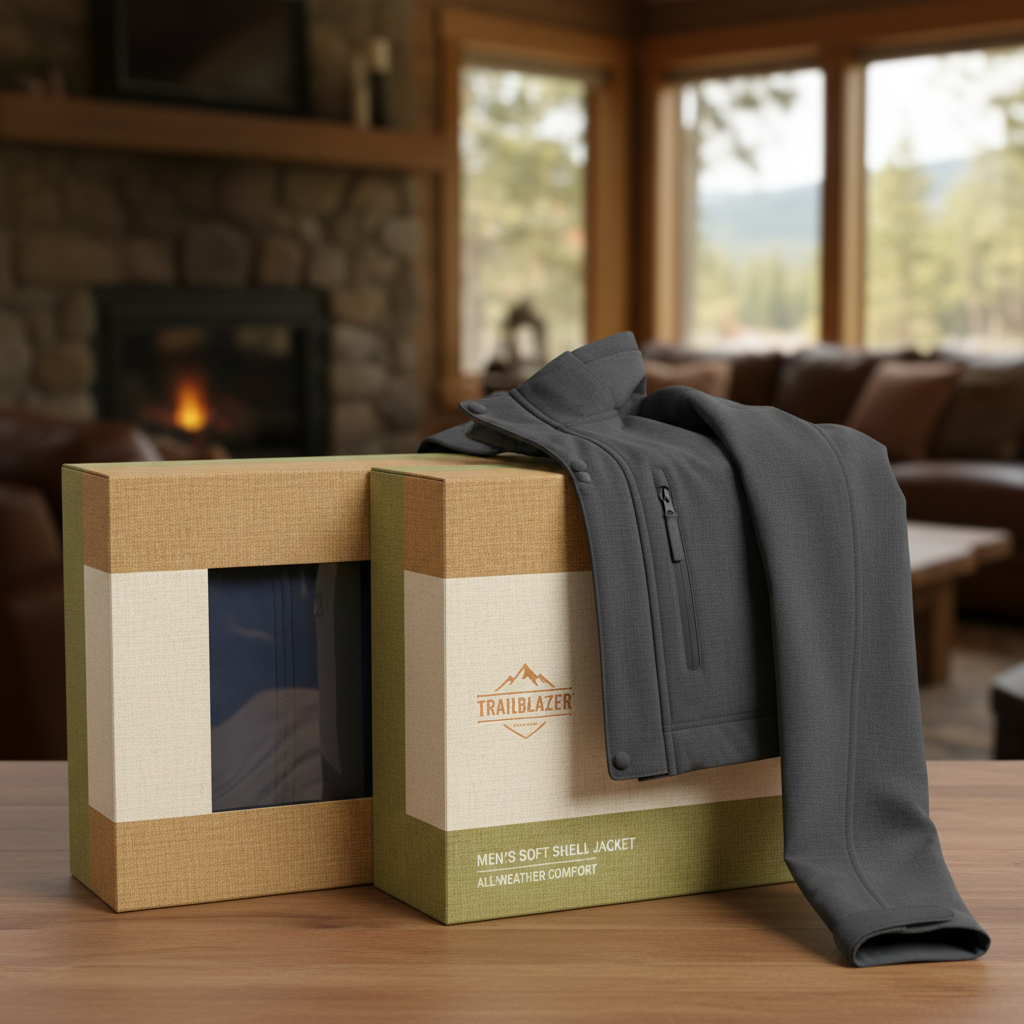
Heavyweight Softshell Jacket: A Durable Shield for Every Challenge
When it comes to protective outerwear, the heavyweight softshell jacket is a piece of gear that simply refuses to be forgotten. Globally, as industries confront harsher environments and outdoor work intensifies, durable and versatile clothing isn’t a luxury — it’s a necessity. Understanding what makes these jackets special means we can stay warm, dry, and mobile while tackling everything from mountain rescues to everyday construction jobs across climates.
Why the Heavyweight Softshell Jacket Matters Globally
Outdoor industries worldwide — spanning Europe’s rugged highlands to the frigid Canadian oil fields — report growing demand for functional, weather-resistant jackets. According to ISO standards for protective clothing (ISO 13688:2013), garments must balance protection with comfort and durability — which is no small feat. Roughly 30% of workplace injuries in outdoor sectors stem from exposure to cold and wet conditions, underscoring why investing in a reliable, heavyweight softshell jacket is worthwhile. But oddly enough, not all softshells perform equally — the heavyweight variants seriously step up where it counts, offering enhanced thermal regulation and robust abrasion resistance without the bulk of heavier coats.
What Is a Heavyweight Softshell Jacket?
Simply put, a heavyweight softshell jacket is a mid-to-heavyweight outerwear garment designed with a tightly woven fabric that’s resistant to wind and water, yet breathable. The “softshell” aspect refers to the stretchy, flexible materials that provide ease of movement — unlike rigid hardshell alternatives. Their heavyweight classification typically means thicker fabric layers or insulation, useful for colder conditions or more demanding industrial environments.
In modern industry and humanitarian aid settings — think disaster relief or remote construction sites — these jackets offer a perfect mix of protection, comfort, and mobility. They’re not just clothing, but an essential toolbox item for facing nature’s unpredictability.
Key Features that Define Heavyweight Softshell Jackets
1. Durability
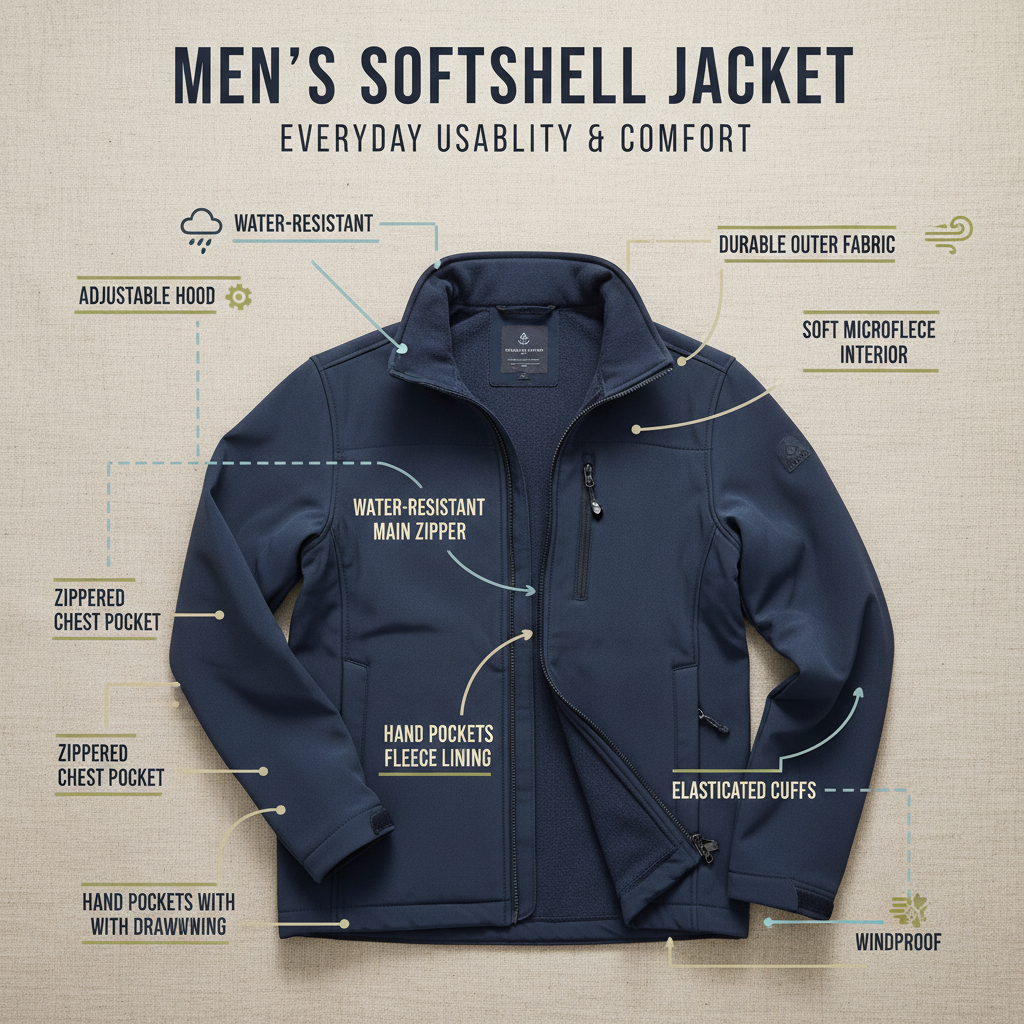
What sets heavyweight softshell jackets apart? Their ruggedness. Many use reinforced fabrics like nylon or polyester blends with DWR (Durable Water Repellent) finishes. It’s the difference between a jacket that tears during rough use and one that lasts for seasons, even years.
2. Water and Wind Resistance
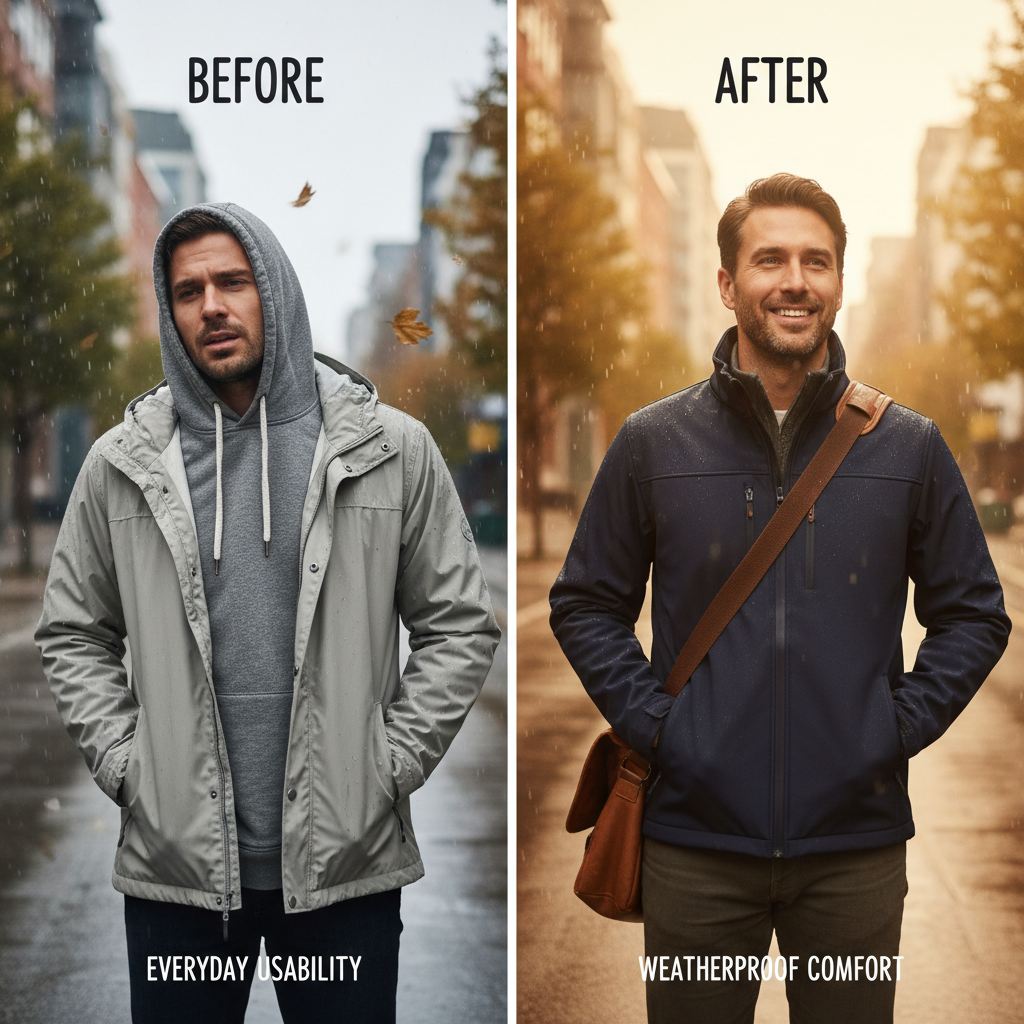
Thanks to laminated membranes or tightly knit surfaces, these jackets fend off wind and light-to-moderate rain. So when storms roll in during a mountain rescue or a long outdoor shift, users stay dry and comfortable — critical for maintaining focus and safety.
3. Breathability and Comfort
Oddly enough, staying dry inside can be just as hard as outside. The softshell’s fabric allows moisture from sweat to escape, preventing clammy discomfort. Add a fleece lining or breathable insulation and you get that cozy warmth without overheating, a tricky balance?
4. Mobility
Because they incorporate stretch fabrics and ergonomic cuts, heavyweight softshell jackets don’t restrict movement. This is crucial for workers, climbers, and emergency responders who need swift, unhindered action.
5. Versatility
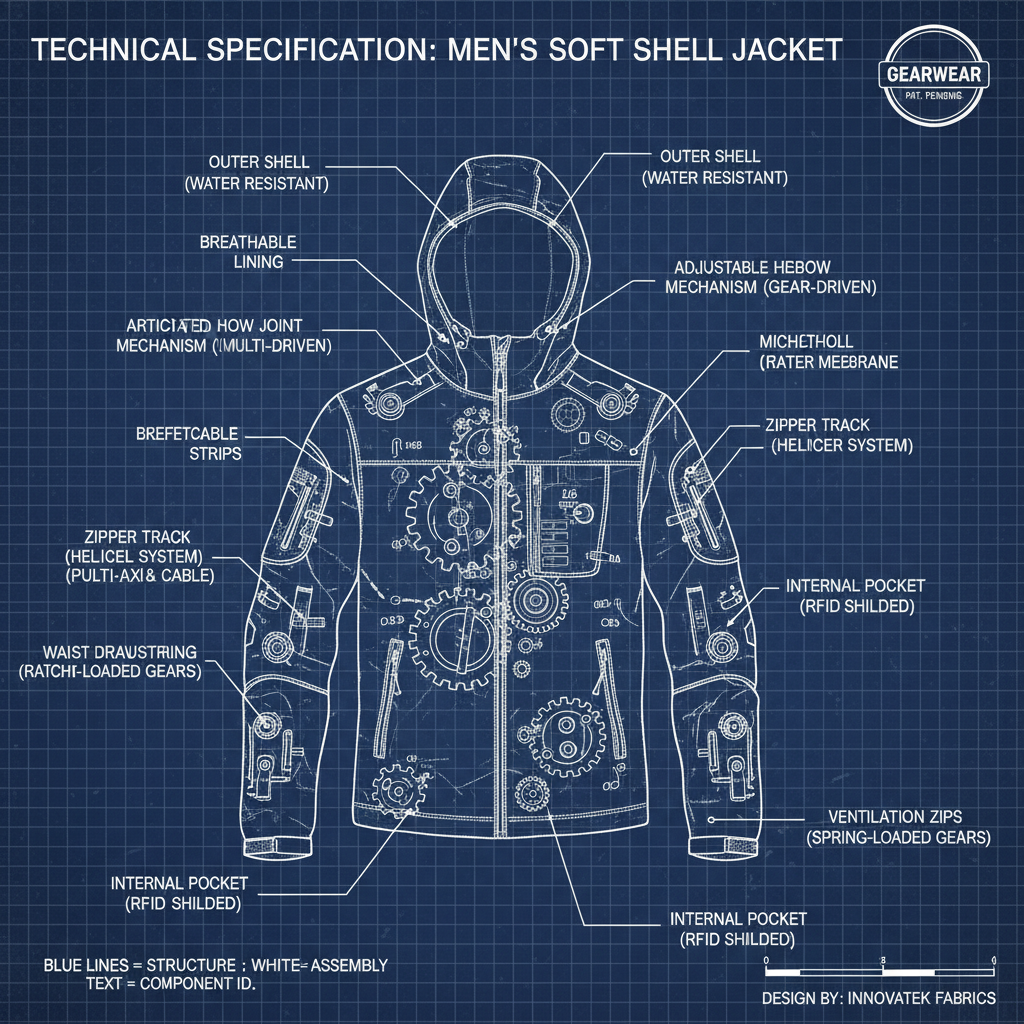
With features like adjustable cuffs, hoods, and multiple pockets, these jackets adapt to differing weather and task needs — whether it’s storing essential gear or covering up in gusty conditions.
Quick Takeaway:
- Heavyweight softshell jackets blend durability with comfort to protect against harsh environments.
- Core qualities include water resistance, breathability, and mobility — vital for outdoor professionals.
- They’re indispensable in industries needing protective yet flexible gear.
Product Specifications Table
| Specification | Typical Range | Notes |
|---|---|---|
| Fabric Weight | 250–350 g/m² | Heavyweight for insulation and durability |
| Water Repellency | 5000 mm+ hydrostatic head | Effective for light to moderate rain |
| Breathability | 5000 g/m²/24h (MVTR) | Prevents overheating during activity |
| Stretch | 4-way | Enhances movement range |
| Insulation | Fleece lining or synthetic fill | Added warmth for cold conditions |
Global Applications & Use Cases
The heavyweight softshell jacket's appeal crosses continents and industries. In North America, especially Canada and Alaska, oil rig workers face bitter cold and wind — these jackets become daily essentials. In Europe, alpine rescue teams rely on them during tense, life-saving missions. Oddly enough, humanitarian organizations delivering aid in rugged environments — like UN relief teams in the Himalayas or NGOs responding in Eastern Africa — prioritize these jackets to protect their front-line workers.
Industrial zones, military units, forestry crews, and even urban emergency personnel benefit. The jackets’ design lets them tackle multiple weather adversities and terrains, making the investment worthwhile.
Vendor Comparison Table
| Vendor | Fabric Weight | Water Resistance | Price Range | Special Features |
|---|---|---|---|---|
| Jide Garment | 300 g/m² | 6000 mm | $$$ | 4-way stretch, reflective trims |
| Alpha Outdoors | 280 g/m² | 5500 mm | $$ | Hooded, zippered vents |
| SafeGuard Pro | 320 g/m² | 7000 mm | $$$$ | Reinforced elbows, insulated lining |
Advantages & Long-Term Value
It’s not hard to appreciate why the heavyweight softshell jacket has such staying power in professional wardrobes. For one, it pays off over time — fewer replacements and less downtime. Sustainability also gets a nod; many manufacturers now use recycled fibers and environmentally friendly coatings to reduce ecological impact, aligning with broader ISO environmental standards.
On a human level, this outerwear fosters safety and dignity. It’s tough but comfortable, protective yet breathable — a garment that helps workers focus on their tasks without distraction or discomfort. And innovation lives here, too, with smart textiles integrating wearable tech or enhanced reflective elements for night safety becoming more common.
Future Trends & Innovations
Going forward, expect lighter but even stronger materials, often bio-based or recycled. Digital fabric printing and customization are gaining steam, making tailored jackets for niche industries easier. Automation in manufacturing could also reduce cost and increase accessibility, letting more organizations invest in high-quality heavyweight softshell jackets.
Oddly enough, the integration of green energy methods (solar-charging pockets, for example) and IoT sensors for environment monitoring are cutting-edge developments in this space, highlighting just how tech-forward these traditionally rugged items have become.
Challenges & Solutions
No product is perfect — heavyweight softshell jackets do have downsides. Bulkiness in extreme cold, price points for premium models, and occasional trade-offs between waterproofing and breathability are common concerns. Yet manufacturers and researchers actively tackle these through layered fabric systems, proprietary membrane tech, and cost-effective production methods that don’t skimp on quality.
For environments demanding more than a softshell can offer, hybrid jackets combine hardshell and softshell features or add removable insulation liners. Customer feedback loops and field testing guide continuous improvements — a reassuring sign of quality and commitment.
FAQ: Frequently Asked Questions about Heavyweight Softshell Jacket
- What conditions are heavyweight softshell jackets best suited for?
They perform superbly in cold, windy, and mildly wet environments — where warmth, mobility, and breathability are simultaneously needed. - Can I use a heavyweight softshell jacket for hiking in the rain?
Yes, for light to moderate rain. For heavy, prolonged downpours, layering with a waterproof shell is recommended. - How do heavyweight softshell jackets compare to hardshell jackets?
Softshells offer better breathability and stretch but less waterproofing than hardshells, making them more versatile for high-mobility tasks in variable weather. - Are heavyweight softshell jackets sustainable?
Many leading brands use recycled materials and eco-friendly finishes, improving sustainability — but it’s best to review each vendor’s certifications. - Where can I find quality heavyweight softshell jackets?
Reputable outdoor gear manufacturers like Jide Garment offer a range tailored to both industry professionals and outdoor enthusiasts.
Conclusion
In real terms, the heavyweight softshell jacket isn’t just another piece of outerwear. It’s a carefully engineered, multifunctional tool that helps people work safely and comfortably in some of Earth’s toughest conditions. Whether for industry, emergency response, or adventurous exploration, its blend of durability, breathability, and warmth makes it an unbeatable choice. Curious to explore specific models or get tailored recommendations? Visit our website: heavyweight softshell jacket and gear up for your next challenge.
Thanks for sticking with me through this deep dive — remember, quality gear makes all the difference out there.