
What Is High Visibility Wear and Why Does It Matter?
When you think about the term high visibility wear, what probably springs to mind are those bright neon jackets that construction workers, road crews, and emergency responders don to stay safe. But this clothing category is more than just a splash of color — it’s a global safety necessity with some surprisingly complex layers.
High visibility wear isn’t merely fashion; it’s an essential factor in protecting lives in sectors where visibility literally means survival. From bustling city roads to remote humanitarian efforts, the bright colors and reflective surfaces of hi-vis garments make a genuine difference worldwide. Understanding this topic offers insight into not just industrial safety, but also broader humanitarian and environmental impacts.
Global Context: Why High Visibility Wear Is More Urgent Than Ever
Globally, occupational safety remains a crucial priority. The International Labour Organization (ILO) estimates millions of work-related injuries and deaths annually, many preventable with proper safety gear. High visibility wear is part of this equation.
And it’s not just construction or transport sectors. According to a World Bank report, hazardous working conditions are also prevalent in developing economies, especially in mining, agriculture, and disaster response operations. Roads and highway accidents remain a major cause of death worldwide; workers on or near roadways face constant risks that high visibility apparel can mitigate.
In fact, ISO standards (ISO 20471:2013) detail precise requirements for garments intended to improve visibility in hazardous situations. That means governments and industries around the world are increasingly mandating hi-vis compliance to lower accidents and fatalities.
So, the challenge remains: how to keep workers, volunteers, and even civilians safe through effective, affordable, and sustainable high visibility wear? It’s a question with both immediate safety benefits and long-term human welfare implications.
Breaking It Down: What Is High Visibility Wear?
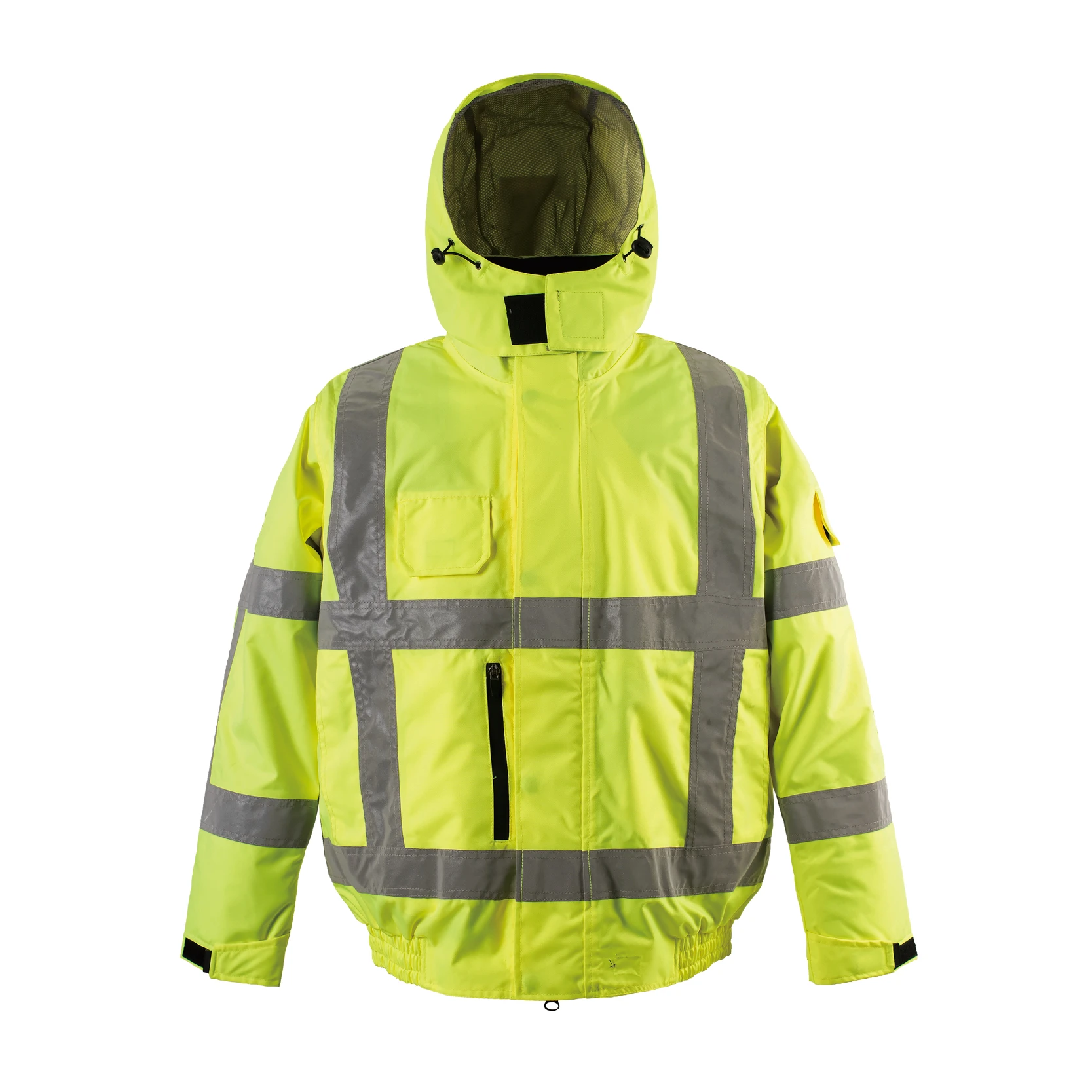
Simply put, high visibility wear comprises clothing or accessories designed to make the wearer stand out visually. This is primarily done using fluorescent fabrics paired with reflective strips or panels that catch light in dark or low-visibility conditions.
Its goal? To catch the eye quickly and unmistakably, whether in broad daylight or pitch black. This is crucial not just for factory floors or night-shift workers but also for emergency and disaster relief teams, road traffic management, and occasional users like cyclists or pedestrians.
High visibility garments are tightly linked to safety regulations, humanitarian logistics, and even outdoor recreational gear. So it's a topic sitting right at the intersection of industrial design, human factors, and public policy.
Key Components of High Visibility Wear
1. Fabric and Fluorescence
Typically, fluorescent materials like orange, yellow, or lime-green fabrics dominate. These colors absorb ultraviolet light during the day and re-emit it, making them glow with almost uncanny brightness. Fluorescence is most powerful in daylight conditions and critical for daytime visibility.
2. Reflective Elements
To ensure visibility after dark, retroreflective tape or piping is sewn onto garments. These elements bounce vehicle or ambient light straight back to its source, allowing drivers or machinery operators to spot individuals from long distances.
3. Durability and Comfort
It’s not just about being bright — workers wear these garments for hours, often in tough environments. Durable materials resistant to tearing, fading, and washing ensure longevity. At the same time, breathability and ergonomic fit matter a lot because uncomfortable gear may be rejected or improperly worn.
4. Certification and Compliance
Most countries enforce standards based on ISO 20471 or ANSI/ISEA 107 (in the US) to regulate design, color, and reflectivity. Compliance certifications assure buyers that garments meet minimum safety thresholds.
5. Customization
Many organizations add logos, roles, or function-specific features like pockets, flame resistance, or waterproofing to make high visibility wear not only safe but also practical.
Spotlight on Global Applications of High Visibility Wear
You’ll find high visibility wear across scenarios as varied as urban construction sites in Europe, remote mining camps in Australia, and disaster relief operations in Southeast Asia.
- Construction and Roadwork: The most visible use, literally and figuratively. Workers need to be noticed day or night.
- Emergency Services: Firefighters, paramedics, and police officers use hi-vis to ensure safety on the chaotic scenes of accidents or natural disasters.
- Humanitarian Aid: In refugee camps or disaster zones, where infrastructure may be limited, aid workers rely on high visibility uniforms to coordinate efforts and maintain security.
- Transportation and Logistics: Warehouse operators and airport ground crews wear hi-vis to reduce accidents among heavy machinery and vehicles.
- Outdoor Sports and Recreation: Cyclists, runners, or hikers use reflective gear especially in low-light or foggy conditions for personal safety.
One interesting example: in post-tsunami relief efforts in Indonesia, hundreds of volunteers were equipped with high visibility vests that improved coordination and rescue efficacy substantially after sundown.
Product Specification Table: Typical High Visibility Safety Vest
| Feature | Specification |
|---|---|
| Material | 100% Polyester Fluorescent Fabric |
| Retroreflective Tape | Silver 3M Scotchlite, 5cm wide |
| Color Options | Fluorescent Orange, Yellow-Green |
| Certification | ISO 20471:2013 Class 2 |
| Weight | Approx. 150 gm |
| Additional Features | Breathable mesh panels, adjustable side straps |
Comparing High Visibility Wear Vendors: A Quick Guide
| Vendor | Product Range | Compliance | Customization | Global Shipping |
|---|---|---|---|---|
| SafetyGearCo | Vests, Jackets, Pants | ISO 20471, ANSI/ISEA 107 | Yes (Logos, Colors) | Yes |
| BrightWear Ltd. | Vests, Rainwear | ISO 20471 | Limited | EU Only |
| Guardian Safety Inc. | Full Kits (Clothing + Helmets) | ANSI/ISEA 107 | Yes (Custom Sizes) | Yes |
The Advantages and Long-Term Value of High Visibility Wear
Putting on some bright-colored gear might seem simple, but the benefits ripple far beyond immediate visibility. First, there’s a tangible reduction in accidents and injuries — something that translates into huge cost savings for employers and governments alike.
Moreover, high visibility wear embodies dignity and respect for workers as it signals a commitment to their safety right from design through to everyday usefulness. Many engineers note that workers wearing compliant hi-vis gear are more confident and focused — a subtle but powerful psychological benefit in hazardous environments.
On the sustainability front, newer materials and reuse-friendly manufacturing methods are making high visibility wear greener, helping reduce plastic waste and environmental impact associated with disposable safety gear.
Future Trends: What’s Next for High Visibility Wear?
Technology isn’t ignoring hi-vis gear. In fact, the future looks pretty bright — no pun intended. Innovations such as smart textiles embedded with LEDs or sensors could provide real-time alerts in dangerous environments.
Meanwhile, sustainable, recycled, or biodegradable fabric options continue to evolve. Digital printing allows for bespoke designs that don’t sacrify reflectivity or comfort. Regulatory bodies are also updating standards to require higher performance levels and better worker feedback.
Automation in manufacturing makes custom orders quicker and cheaper. And as industries embrace green energy, biodegradable, and circular economy principles, expect high visibility wear to get more eco-conscious — while remaining as dependable as ever.
Overcoming Challenges: The Roadblocks and How to Navigate Them
Despite its benefits, adopting high visibility wear is not without hiccups. Some users find certain garments uncomfortable, stiff, or too hot for warm climates, which can lead to non-compliance. Others struggle with affordability or sourcing readily compliant products in remote regions.
Innovations like breathable mesh fabrics and better ergonomic designs help ease these complaints. Centralizing supply through trusted vendors with flexible shipping and customization can also tackle availability issues.
Education campaigns and clear employer policies ensure workers understand the critical importance of wearing these garments correctly and consistently.
FAQ: Your Burning Questions About High Visibility Wear Answered
- Q1: How do I know if my high visibility wear meets safety standards?
- Look for certification labels like ISO 20471 (international) or ANSI/ISEA 107 (US). These indicate the garment has passed rigorous tests for color brightness and reflective performance.
- Q2: Can high visibility wear be comfortable in hot weather?
- Yes. Many brands offer breathable, lightweight fabrics with mesh panels designed to improve airflow while maintaining visibility.
- Q3: How often should high visibility garments be replaced?
- While durability varies, typical replacement is recommended every 6 to 12 months or sooner if the garment shows fading, damage, or reduced reflectivity.
- Q4: Is it possible to customize high visibility wear for organizational branding?
- Absolutely. Most suppliers offer options for logos, colors, and additional safety features, balancing visibility with brand identity.
- Q5: Are there eco-friendly options for high visibility clothing?
- Yes, advances in sustainable materials are enabling options made with recycled polyester and eco-friendly dyes without compromising safety.
In Conclusion: Bright Ideas for Safer Futures
High visibility wear might seem straightforward at first glance, but its importance weaves through global worker safety, humanitarian aid, and innovative sustainability efforts. The evolution of this sector shows how tech, materials science, and practical needs come together to protect lives — often in the background of everyday risks.
If safety, comfort, and social responsibility matter to your operation, investing in quality high visibility wear is more than a checklist item — it’s a commitment to everyone involved.
Looking for reliable, certified solutions with customization options? Visit our website: https://www.jidegarment.com and let’s brighten your team’s future.
References:
1. International Labour Organization - Occupational Safety and Health
2. ISO 20471:2013 High Visibility Clothing standards
3. World Bank Report on Workplace Safety and Health