
Understanding the Shell and Lining in Jackets: Why It Matters
Having spent a fair number of years working in the industrial equipment sector, I’ve come to appreciate just how critical small details are. The shell and lining in jackets isn’t just about looks or comfort — it’s fundamental to durability, safety, and performance.
Now, when we're talking about shell and lining in jacket design, it's odd how often people overlook this aspect, assuming it’s all just fabric. But really, selecting the right materials and structure can mean the difference between a jacket that lasts a season and one that stands up to years of harsh industrial use.
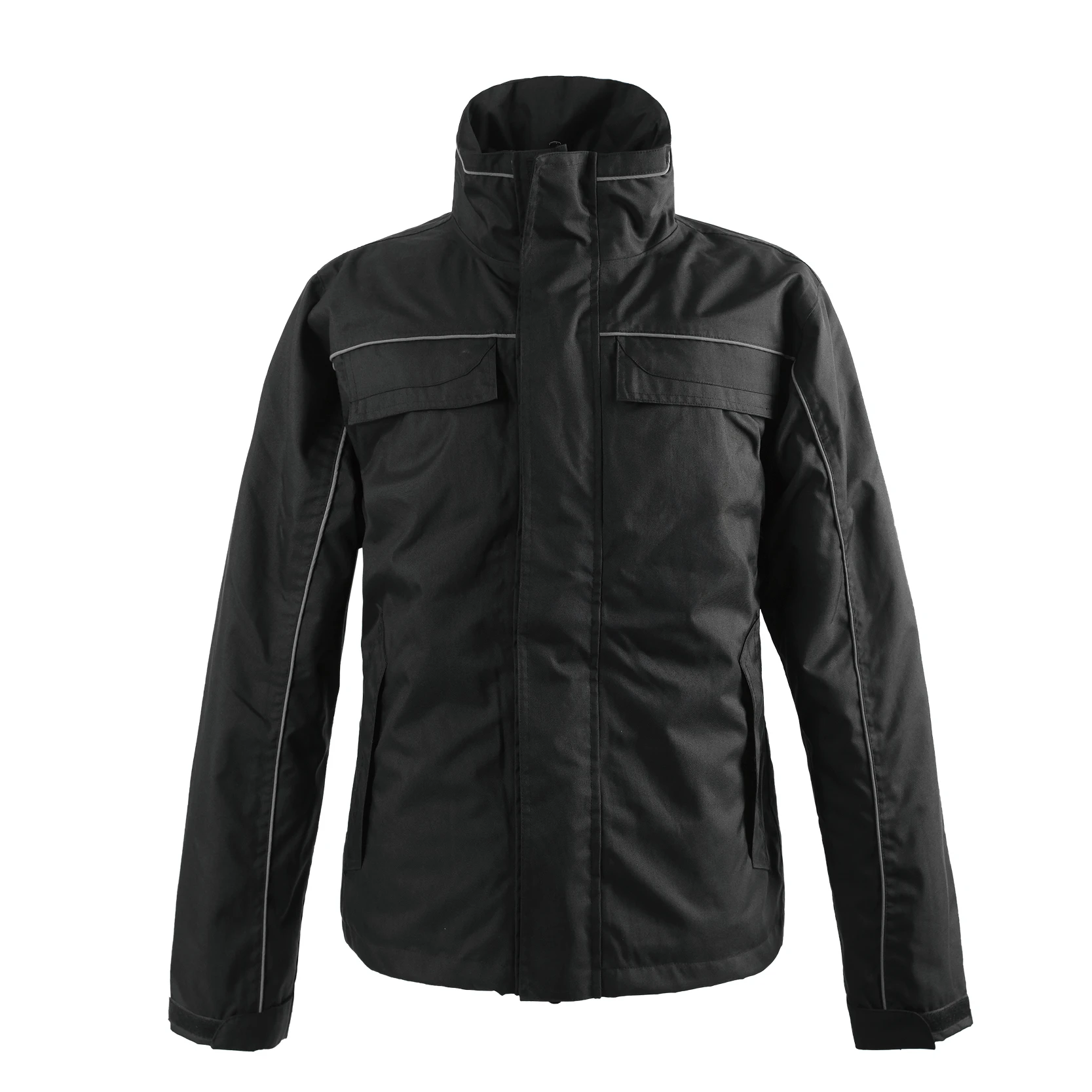
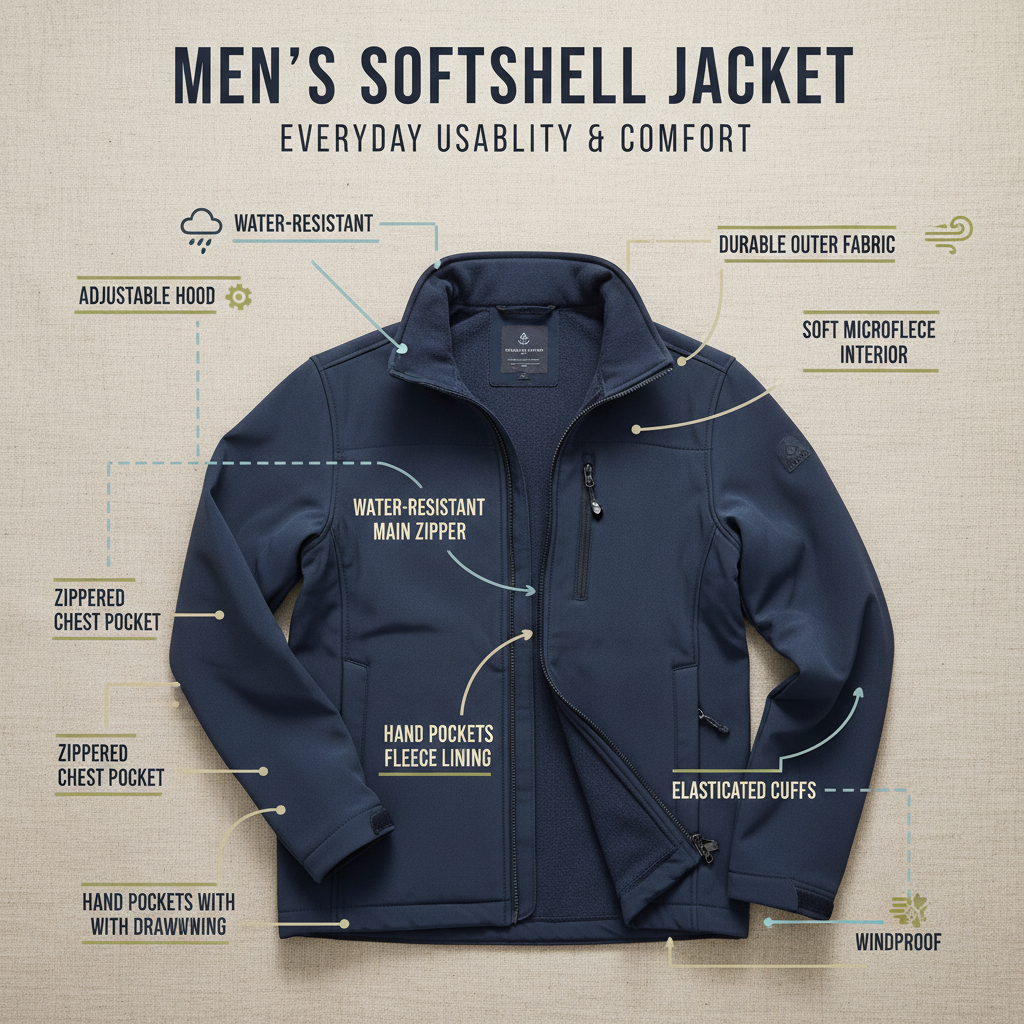
Let me share a little background first. The shell – basically the jacket’s tough outer layer – needs to resist abrasion, tearing, and even chemical exposure, depending on the environment. The lining, on the other hand, is more about internal structure and comfort. It can wick moisture, provide insulation, or just boost breathability to keep workers comfortable through long shifts.
In industrial settings, coating or treatment on the shell fabric can also add waterproofing or flame-retardant features. Frankly, I’ve seen jackets with seemingly perfect shells fail early because the lining caused internal moisture buildup, leading to discomfort or even mold issues. So the shell and lining have to work in tandem — it’s a bit like teamwork in industrial operations itself.
Product Specifications of a Typical Industrial Jacket
| Feature | Specification | Notes |
|---|---|---|
| Shell Material | Polyester Blend with PU coating | Waterproof and abrasion resistant |
| Lining Material | Mesh polyester | Breathable, enhances moisture wicking |
| Insulation | Thin polyester padding | Provides warmth without bulk |
| Seam Construction | Double-stitched with taped seams | Enhances waterproof performance |
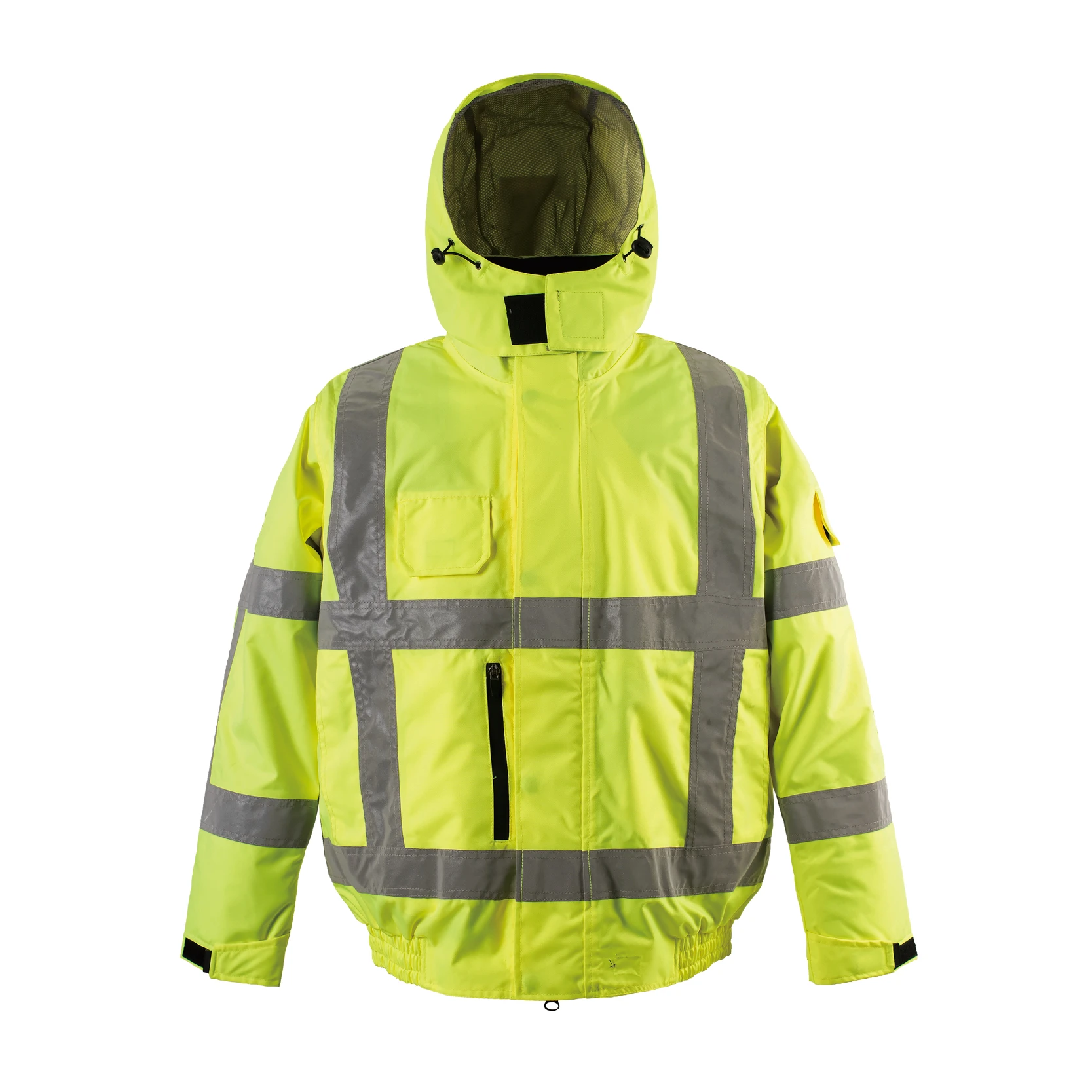
| Additional Features | Reflective strips, adjustable cuffs | Safety and fit customization |
One interesting thing I noticed during a recent vendor fair was how much material science has evolved. Some suppliers offer breathable yet waterproof shells that practically feel like second skin. But there’s always a tradeoff – the lining needs to complement it perfectly. For example, a thick fleece lining might cause overheating inside a high-performance shell. It’s the kind of detail that field engineers often mention when selecting gear for their teams.
Vendor Comparison: Leading Jacket Shell & Lining Options
| Vendor | Shell Material | Lining Type | Waterproofing | Best Use Case |
|---|---|---|---|---|
| Jide Garment | Polyester PU Coated | Lightweight Mesh | Waterproof, breathable | Industrial & outdoor workers |
| AlphaWear Inc. | Nylon Ripstop | Fleece lined | Water-resistant only | Cold weather, light rain |
| SafeTech Protect | Polyester Twill | Quilted Insulation | Not waterproof | Indoor heavy industry |
Customization is another factor that can’t be ignored. Many companies allow bespoke shell and lining combinations depending on the operational environment. I once worked with a client operating in a coastal refinery — salt spray and humidity were big problems. They opted for a shell with a strong PU coating combined with quick-dry mesh lining. The difference it made in worker comfort was obvious within the first week.
Testing protocols for these jackets generally include abrasion resistance, water penetration, and breathability tests. Standards like EN 343 or OSHA regulations set benchmarks that vendors need to meet. But I’d say, in real terms, nothing beats feedback from those wearing these jackets every day on the job. Field experience usually reveals quirks no lab test can predict.
In an odd but revealing moment, a group of engineers I spoke with once said that despite all the specs and certifications, the shell and lining combination that “just feels right” wins their loyalty every time. I suppose that’s the bottom line: these garments are tools as much as protective gear, and comfort is a kind of trust.
If you’re exploring jacket options for industrial use, consider the shell and lining as a holistic system rather than separate components. It really is a balance of durability, protection, and comfort — and that’s why shell and lining in jacket understanding becomes crucial.
Oddly enough, investing a bit more time in selecting these details saves a lot of headaches — and replacements — down the line.
One takeaway? Don’t just buy a jacket to tick a box; buy one whose shell and lining you trust to protect your crew.
- EN Standards for Protective Clothing, European Committee for Standardization.
- OSHA Guidelines on Worker Protective Equipment.
- Material Science Advances in Industrial Protective Clothing, Textile Research Journal, 2021.