
Why a pullover shell jacket is a Game-Changer in Industrial Workwear
Having spent over a decade in the industrial equipment sector, I’ve seen workwear evolve in ways that you might not expect. The humble pullover shell jacket — odd name, right? — has quietly become a staple on many worksites, from steel plants to outdoor construction zones. It’s the kind of gear that, at first glance, doesn’t scream “innovation,” but once you wear it, well… let’s just say, it changes your day.
Frankly, the appeal lies in its simplicity and brutal effectiveness. No zippers to snag, a solid barrier against wind, and enough room to layer underneath — these things keep you moving and protected without fuss. I remember early on being handed one during a cold equipment inspection, skeptical at first, but by the end of the day, I was sold.
Design and Materials: Tough Yet Breathable
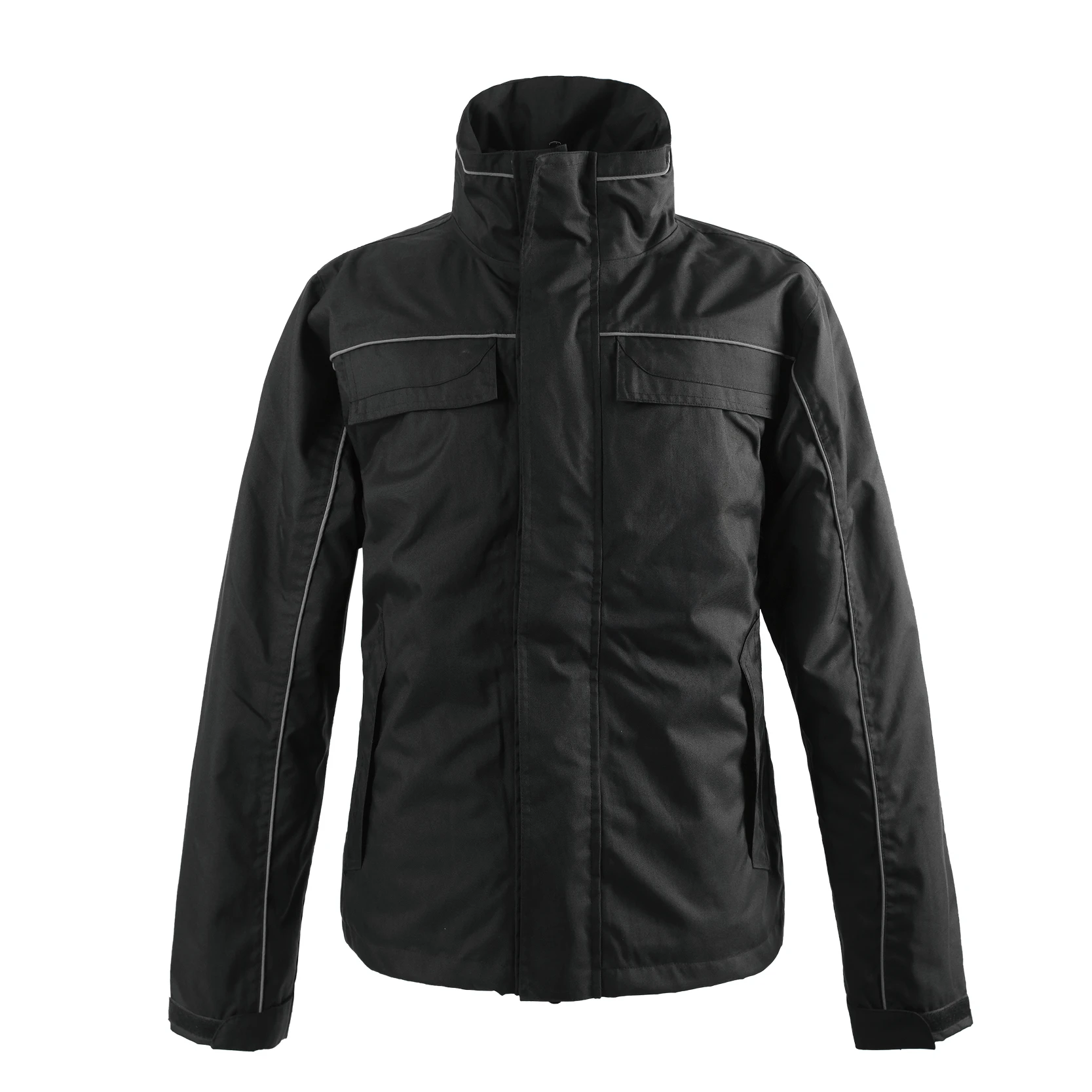
Most pullover shell jackets, including those from Jide Garment, use a blend of high-denier polyester and breathable membrane fabrics. This ensures you’re shielded from harsh elements like wind and light rain without turning into a sweaty mess inside. Oddly enough, the outer fabric often feels slightly stiff at first but softens after a few wears, conforming to your body shape.
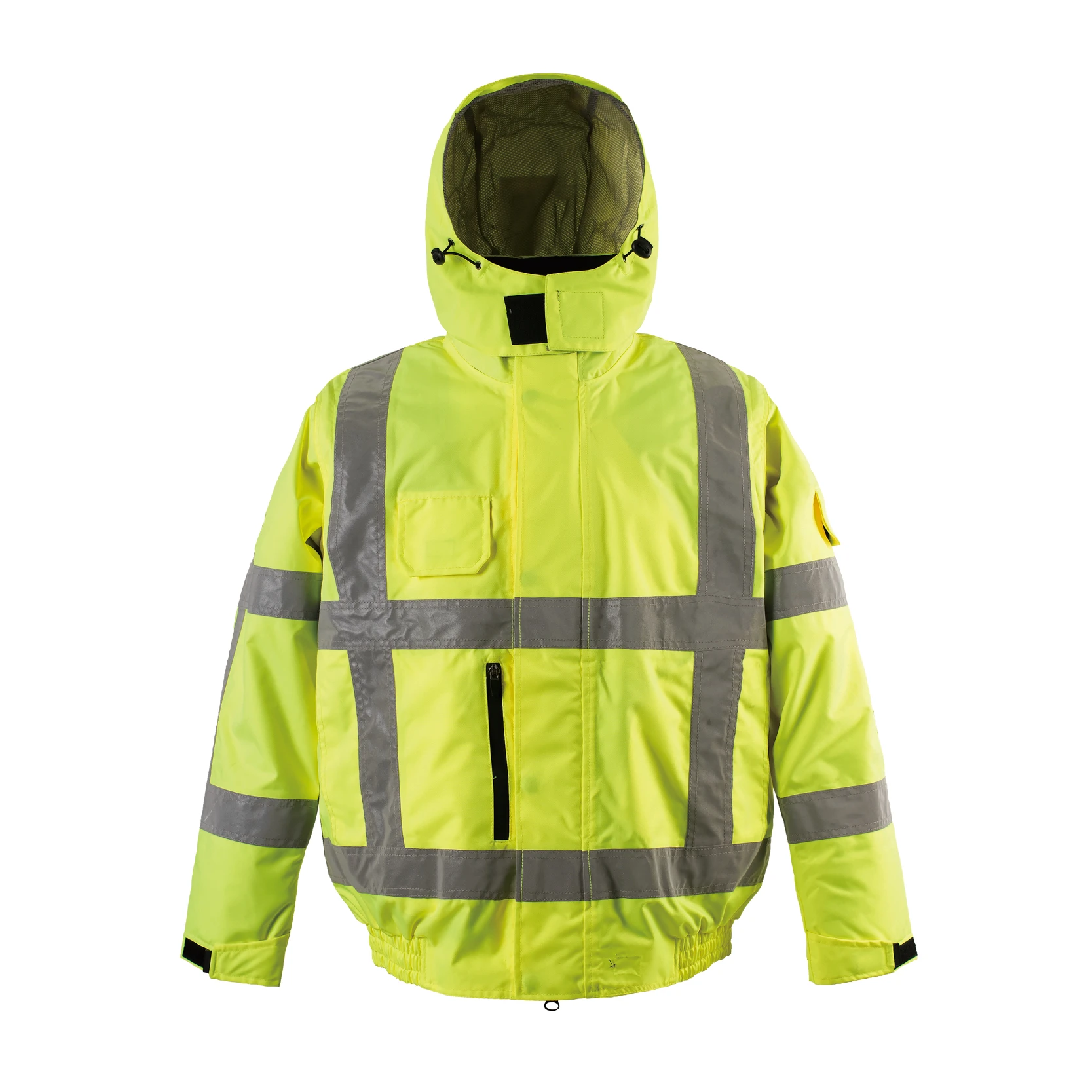
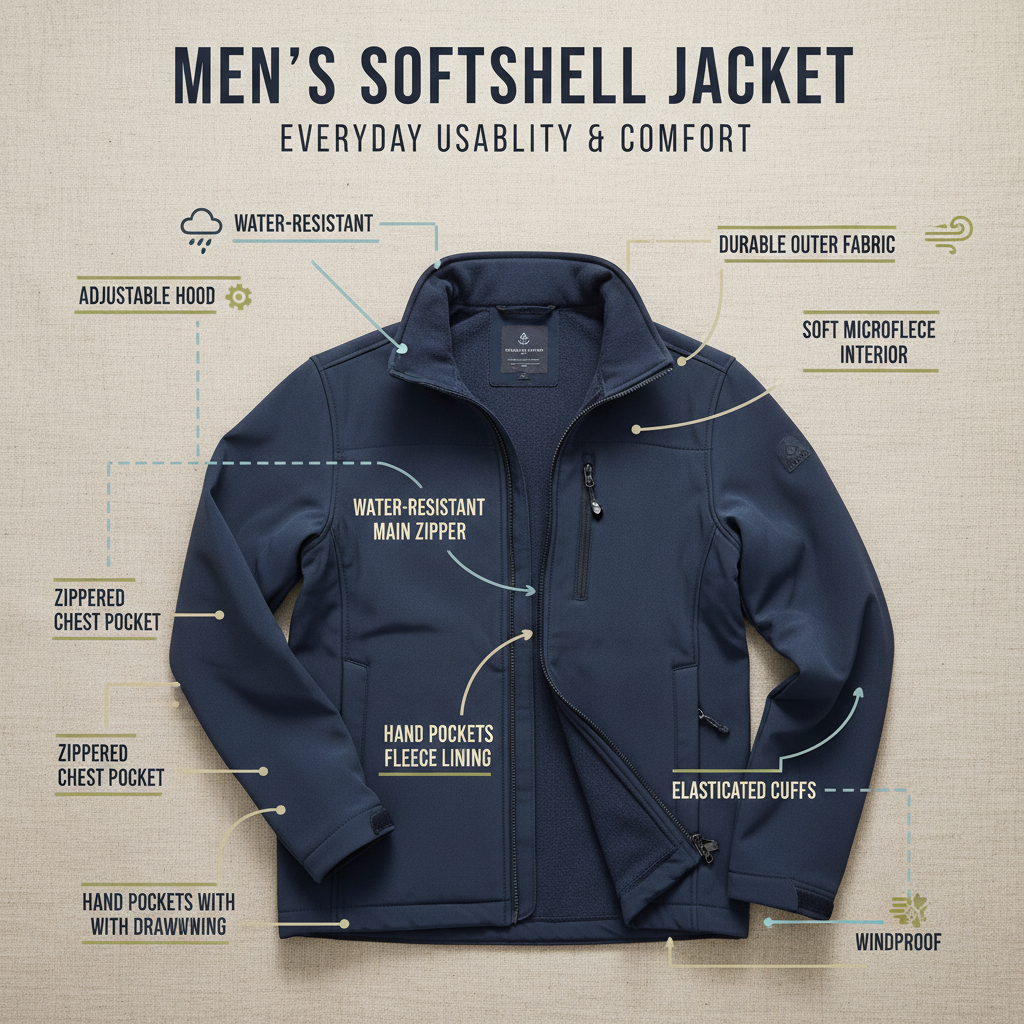
Where I’ve noticed real care is in the finishing: taped seams, adjustable cuffs, and reinforced elbows. Such details are a nod to actual industrial workers’ needs, not just a fashion choice. It’s a subtle difference, but it makes the jacket last longer under rough conditions.
| Feature | Specification |
|---|---|
| Material | High-denier polyester shell with waterproof, breathable membrane |
| Weight | Approximately 600 grams (medium size) |
| Closure | Half-length waterproof zipper with storm flap |
| Key Features | Adjustable cuffs, reinforced elbows, inside chest pocket |
| Available Sizes | S - 3XL |
| Colors | Navy, Black, High-Visibility Orange |
Vendor Comparison: What Sets Jide Garment Apart?
In this sector, you quickly realize not all suppliers are created equal. I've tested quite a few brands over the years and have some direct experience comparing their pullover shell jackets. Here's a quick rundown.
| Vendor | Material Quality | Durability | Price Range | Customization Options |
|---|---|---|---|---|
| Jide Garment | Premium high-denier polyester with waterproof membrane | Excellent — reinforced stress points and quality control | $$$ (mid-range) | Logo embroidery, reflective tape, color selections |
| Vendor B | Standard polyester fabric, no membrane | Good, but prone to early wear on elbows | $$ (budget) | Limited |
| Vendor C | Lightweight nylon, water-resistant only | Moderate, zipper issues reported | $$$ (mid-range) | None |
Real-World Use: Why It Matters
I've noticed over multiple projects how wearing a quality pullover shell jacket can change a technician’s experience for the better. One project, in particular, stands out — a winter pipeline overhaul where crew members endured biting wind, rain, and mud. Those rocking this type of jacket reported less fatigue and better mobility. It’s probably the small things — a snug neck to seal out drafts, sleeves that don’t slide up, pockets that keep tools handy. In real terms, it means a safer, more efficient day.
And let’s be honest, workwear that fits the job and lasts means fewer replacements, which matters when budgets are tight and downtime is costly.
Next time you’re evaluating gear for your team, consider the pullover shell jacket. It’s a practical, tried-and-true layer with surprisingly thoughtful design.
In short, sometimes less is truly more.
References:
1. Industrial Workwear Trends Report, 2023
2. Field Interviews, Multiple Industrial Sites, 2021–2023
3. Jide Garment Product Testing Data, 2023