
Why Every Firefighter Needs a High Vis Firefighter Jacket
Having spent more than a decade working alongside emergency responders and industrial teams, I can tell you: the jacket isn’t just a piece of uniform—it’s a lifeline. The high vis firefighter jacket is specifically engineered to meet the brutal demands of firefighting environments. And if you think it’s just about wearing something bright, think again.
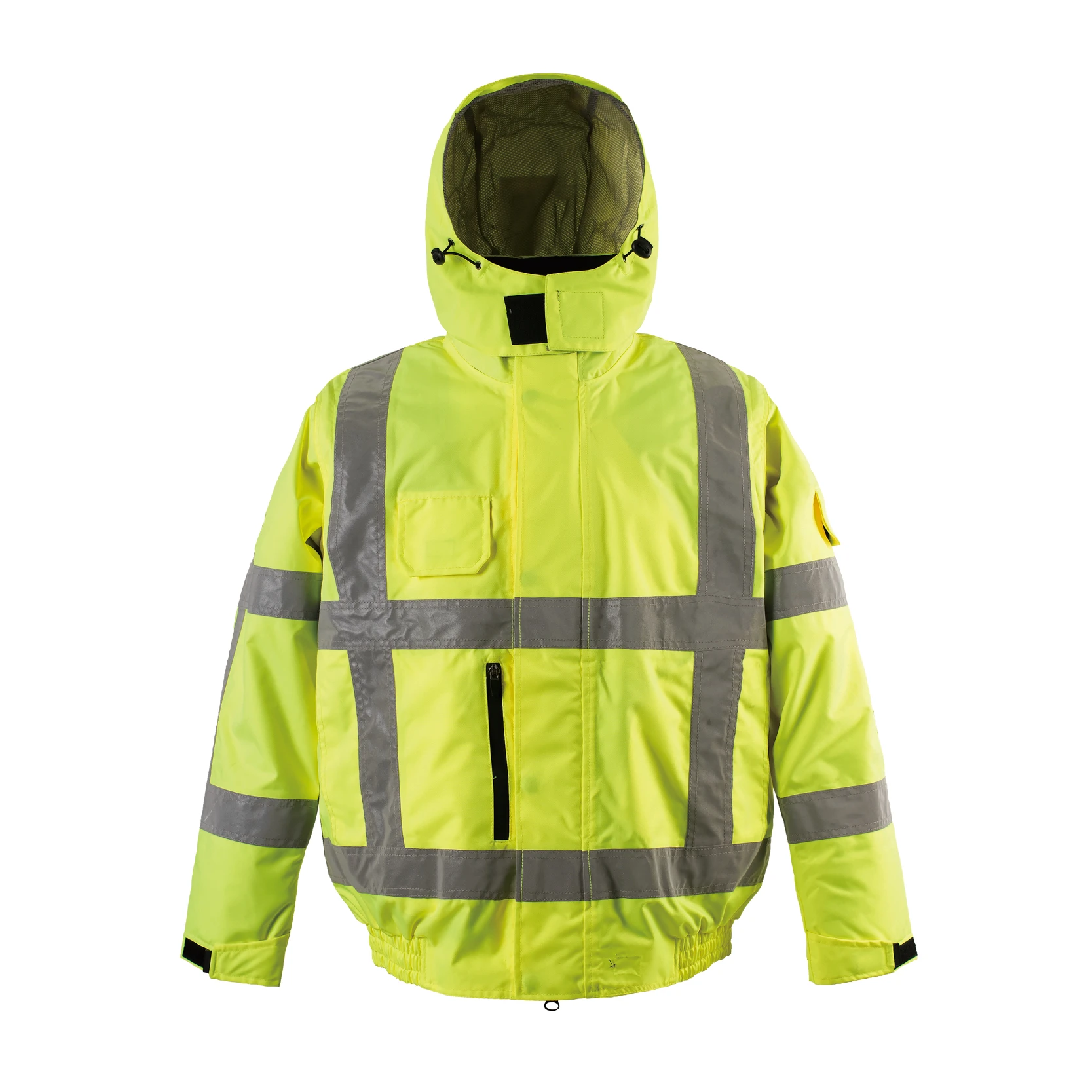
Fire scenes aren’t always the predictable “red and orange” blaze you imagine. They’re often chaotic, filled with dense smoke, shifting flames, and low visibility. Having that bright, reflective jacket means teams can spot each other instantly, even through the thickest haze. Oddly enough, safety seems a little simpler when you’re visible.
Design, Materials, and Testing: How They Get It Right
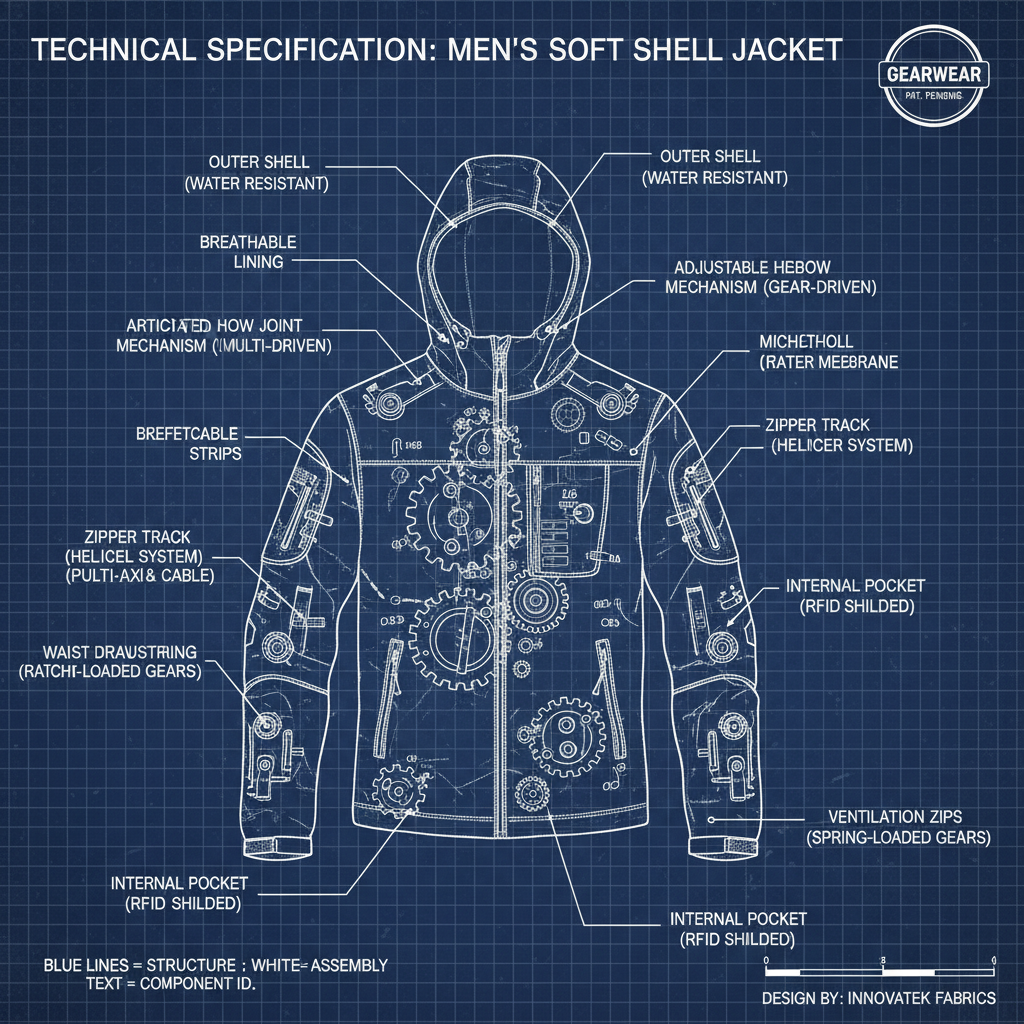
Designing these jackets is no small feat. They need to be flame resistant, of course, but that’s just table stakes. The fabric—often Nomex or similar high-tech aramid fibers—must withstand extreme heat yet remain breathable. No one wants to be swimming in sweat inside a jacket intended to save their life.
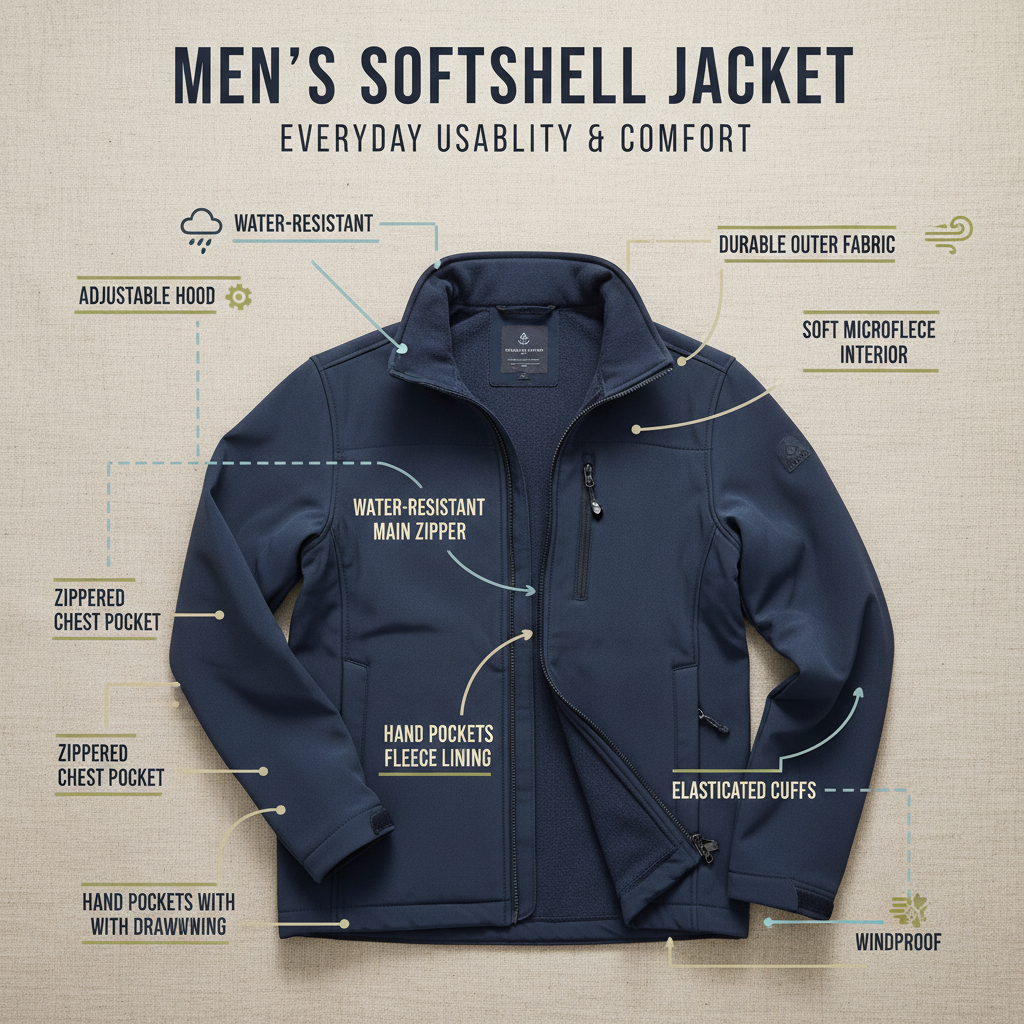
The high visibility layer isn’t just neon yellow or orange slapped on. It’s combined with reflective strips carefully positioned to catch any light source, whether a flashlight or vehicle headlights—a detail I always notice on the field.
| Specification | Details |
|---|---|
| Material | Nomex IIIA with FR treatment |
| Visibility | High visibility neon panels + 3M™ reflective tape |
| Weight | Approx. 1100g (Medium size) |
| Certifications | NFPA 1971, EN 469 |
| Additional Features | Heat-sealed seams, waterproof membrane, detachable hood |
These products go through rigorous testing—flame exposure, radiant heat resistance, water repellence—you name it. Many engineers I know swear by NFPA 1971 certification as the gold standard, and rightly so.
Picking the Right High Vis Firefighter Jacket: A Comparison of Leading Vendors
It’s tempting to just grab the lowest-priced jacket, especially with budget cuts hitting hard these days. But trust me, cutting corners on firefighter gear is a false economy. Here’s a rough comparison of three established suppliers I’ve encountered, to help you make a more informed choice.
| Vendor | Material Quality | Certifications | Customization Options | Price Range |
|---|---|---|---|---|
| Jide Garment | Premium Nomex + FR coatings | NFPA 1971, EN 469 | Logo, color scheme, sizing | $$$ |
| FireTech Supplies | Standard flame-resistant fabric | NFPA certified | Limited customization | $$ |
| SafeWear Inc. | Basic FR blends | EN 469 only | None | $ |
I once worked with a volunteer firefighting squad that switched from an entry-level jacket to a premium high vis version from Jide Garment. The difference was palpable. Not only were they safer and more visible, but they reported better comfort during long shifts. Seems minor until you’ve worn gear in 40°C heat... every minute counts.
Frankly, a jacket like this is a small price for peace of mind when you’re running into fire, not out of it.
Final Thoughts on High Vis Firefighter Jackets
At the end of the day, the gear is your partner. You might not always realize how much you rely on it until you actually need that protection. The design and technology behind today’s high vis firefighter jackets show just how far protective clothing has come—from bulky and suffocating to something that you could arguably live in for hours.
If you’re in the market for firefighter gear, don’t simply look for bright colors. Dive into the certifications, materials, and real-world feedback. And if you want to explore tried and trusted options, the high vis firefighter jacket from Jide Garment is a solid starting point.
References & Musings:
1. NFPA 1971 Standards – Firefighter Protective Clothing
2. EN 469 – Protective Clothing for Firefighters
3. Personal field experience and customer feedback over 15+ years in the industrial safety sector