
Why a Junior Softshell Jacket is a Must-Have in Industrial Gear
Having spent close to two decades working around industrial equipment and manufacturing floors, I’ve come to appreciate gear that’s practical but doesn’t skimp on comfort. One such piece that quietly earns its keep is the junior softshell jacket. You might think it’s just a lightweight jacket, but frankly, it’s an unsung hero for anyone needing something durable, flexible, and kind of smart-looking on the job.
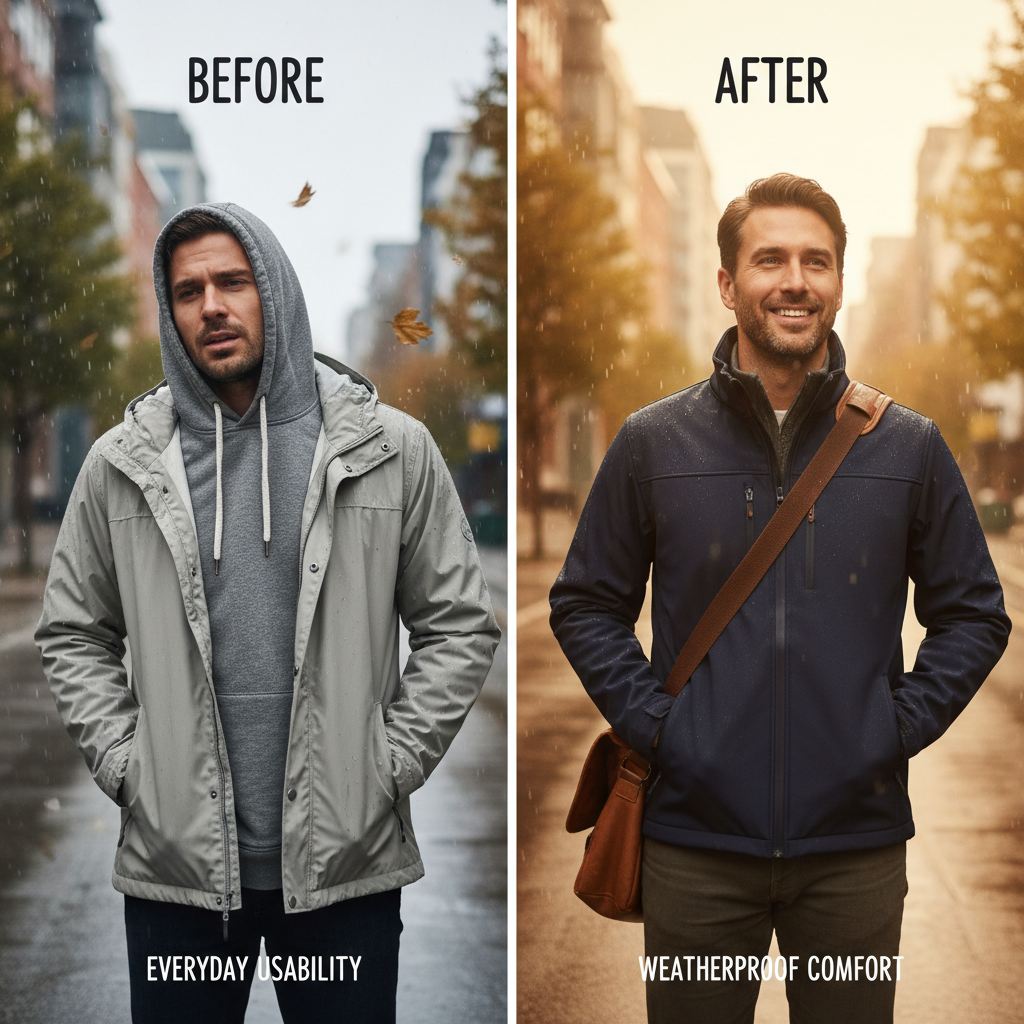
Softshell jackets rose to prominence because they blend weather resistance with breathability—a tricky balance in industrial environments. Oddly enough, while heavy-duty parkas or waterproof shells get all the spotlight, this junior softshell hits a sweet spot for milder conditions or as a layering piece. It fits well under hard hats and over mid-layers, offering enough freedom to move during work without overheating. I once saw a whole crew swear by it when a sudden spring rain hit a construction site—it was the perfect balance of dry and breathable.
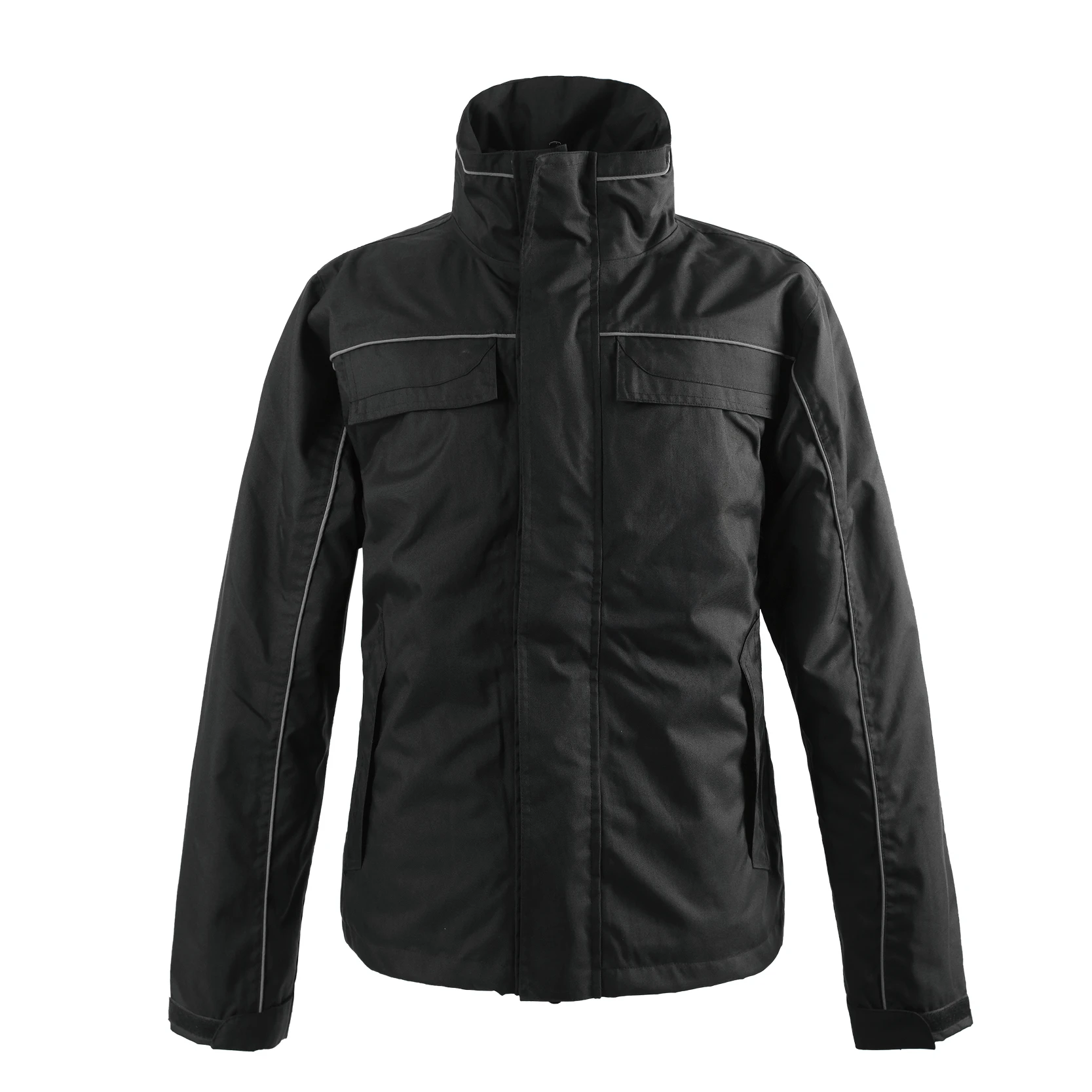
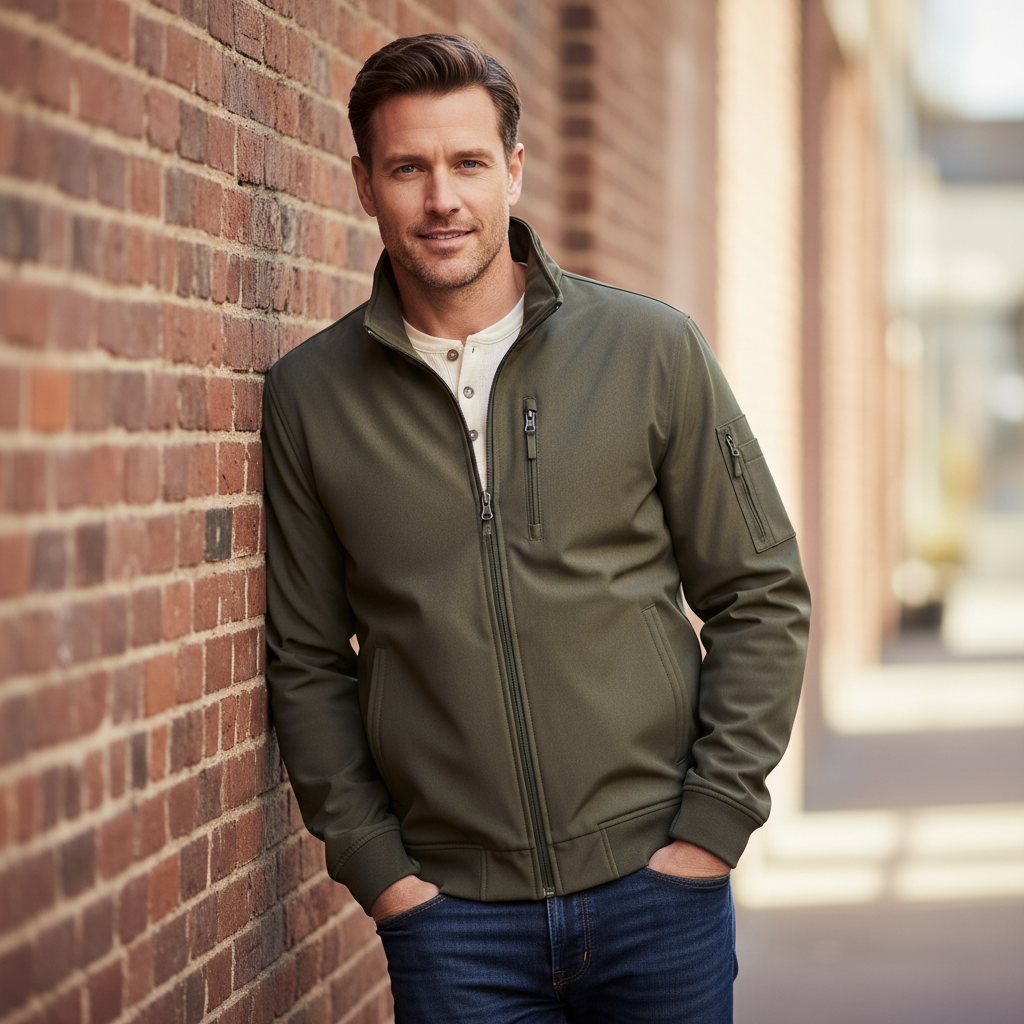
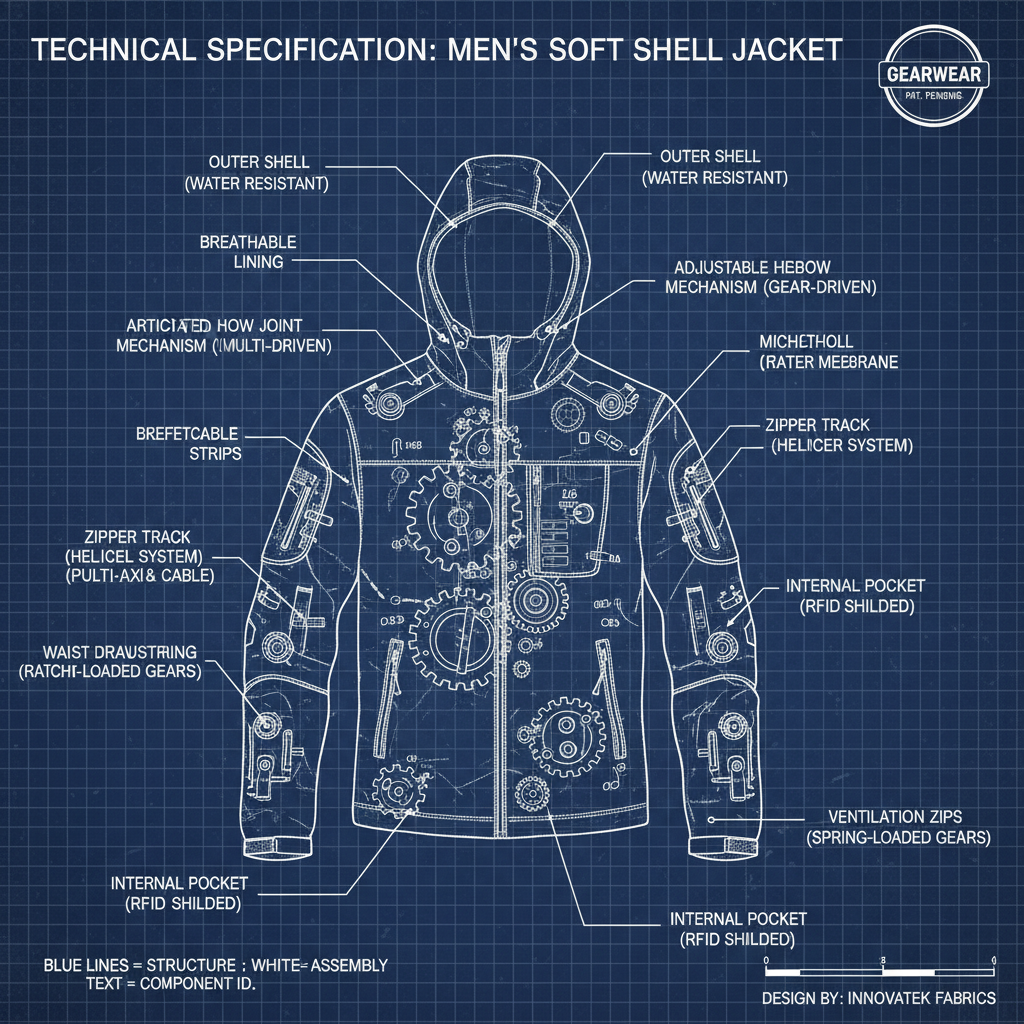
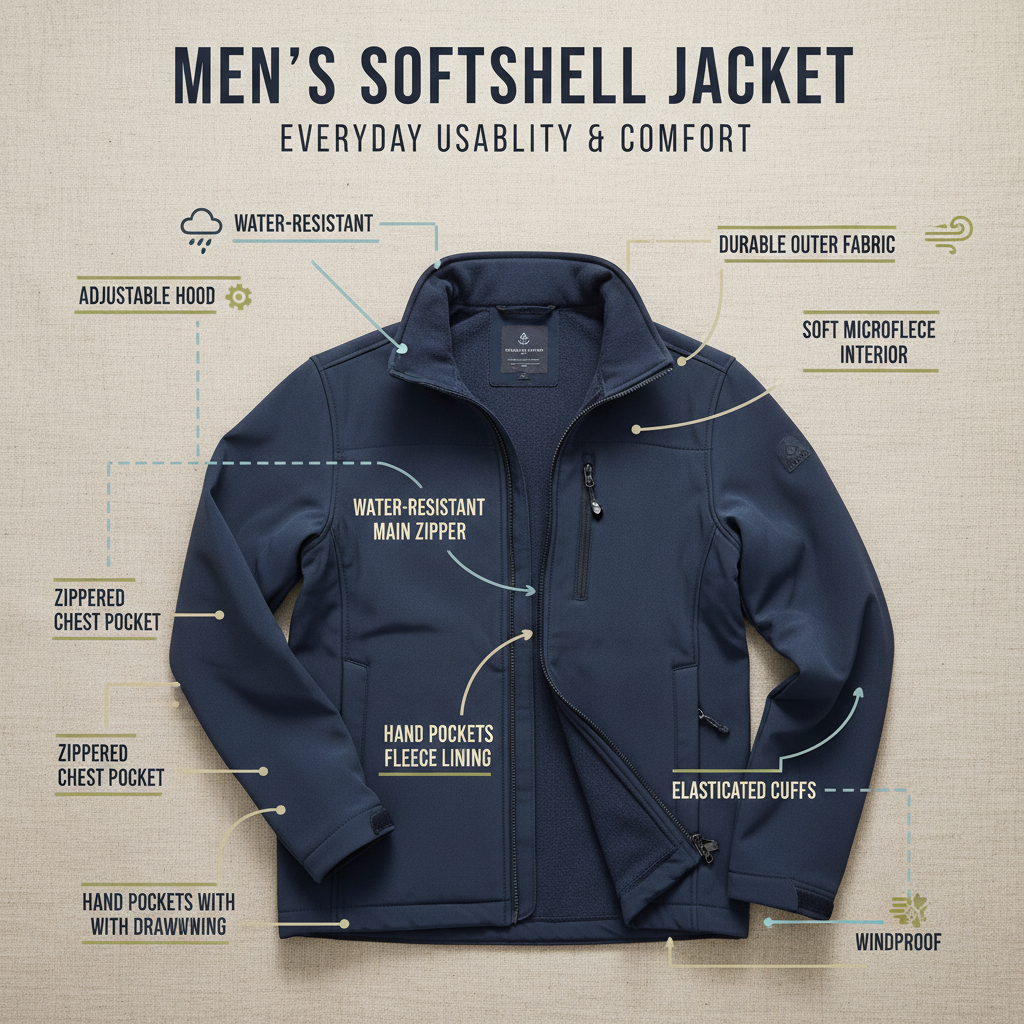
Design-wise, this jacket typically uses polyester blends with a water-resistant but stretchy membrane. This means it can shrug off light showers or splashes while flexing with the wearer’s movement—practically essential if you’re often bending, climbing, or reaching for tools. Plus, the inner fleece or brushed lining adds a touch of warmth without bulkiness. What I noticed across multiple models is thoughtful features like adjustable cuffs, secure pockets (zipped or Velcroed), and reinforced elbows—small details that really matter in the field.
| Specification | Details |
|---|---|
| Material | Polyester blend with stretch membrane |
| Water Resistance | Light rain and splash resistant |
| Lining | Soft fleece inner for warmth |
| Weight | Approx. 450g (varies by size) |
| Key Features | Adjustable cuffs, zippered pockets, reinforced elbows |
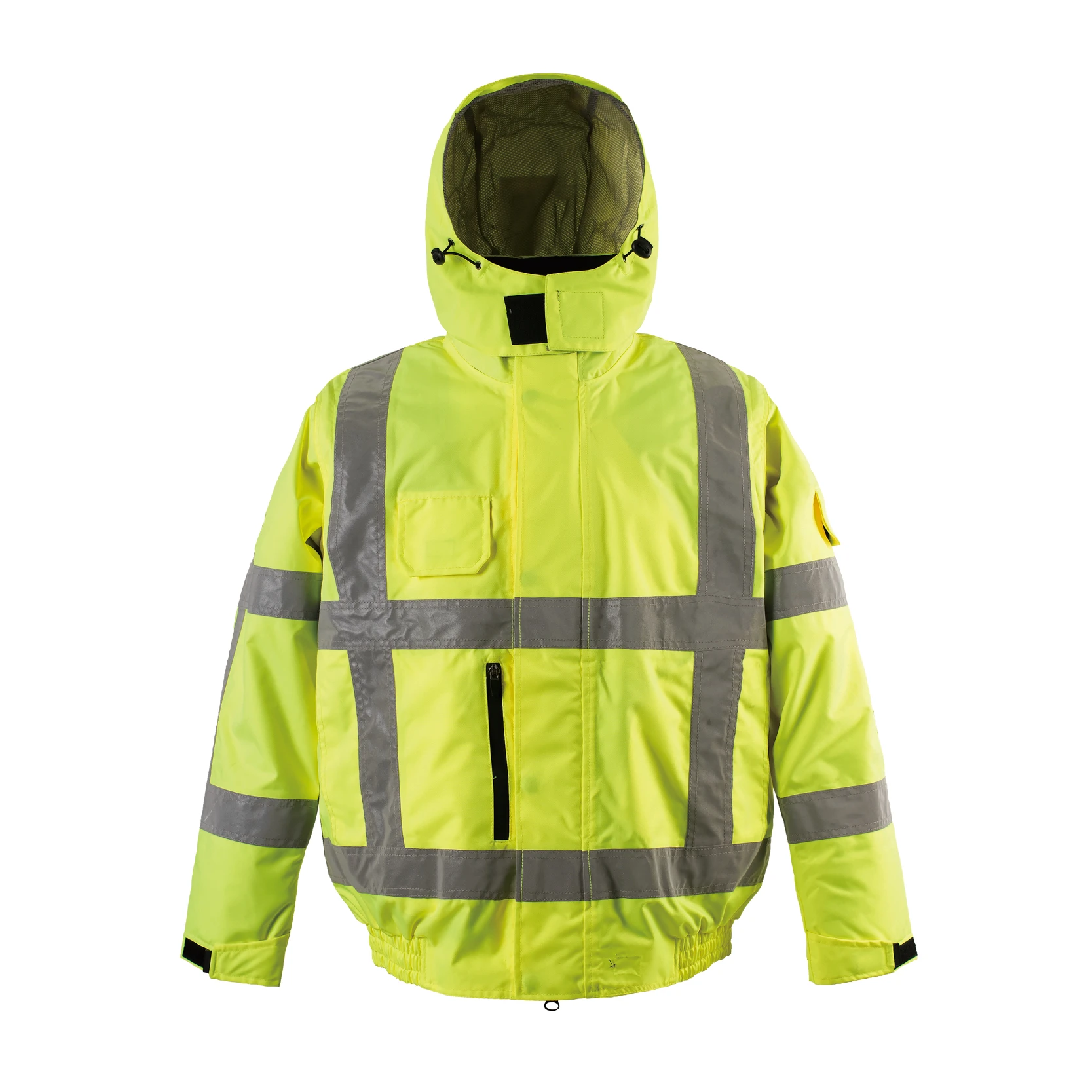
The last few years have seen a noticeable trend toward customization in industrial uniforms. The junior softshell jacket isn’t immune to this—companies often request logo embroidery or reflective striping for better visibility and branding. I found that vendors who can provide quick turnaround on these customizations tend to get repeat business, unsurprisingly. There’s a certain pride among crews in wearing gear that’s both functional and representative of their team, sort of like a uniform with personality.
| Vendor | Price Range | Customization Options | Delivery Time |
|---|---|---|---|
| JideGarment | $45-$60 | Logo embroidery, reflective tape | |
| WorkPro Apparel | $50-$65 | Limited patch customization | |
| SafeGear Co. | $55-$70 | Custom embroidery, high-vis trims |
From my viewpoint, what really makes the junior softshell jacket stand out is how it respects the unpredictability of industrial work. You’re not always indoors or in pristine conditions. Being able to adapt your outerwear to sudden weather changes or a variety of job demands without feeling weighed down or overheated is huge. I remember one project where the crew had to do early morning inspections outdoors before moving to indoor assembly lines. The softshell’s layered warmth and flexibility worked like a charm.
Another point worth mentioning is ease of care. In industrial settings, gear gets dirty fast. Softshells generally launder well without losing shape or water repellency, which, frankly, saves a lot of headache compared to heavier coats that shrink or lose insulation.
So, whether you’re equipping young apprentices on site or outfitting a full crew, giving some thought to a quality junior softshell jacket can make a day’s work more tolerable — and maybe even a little more comfortable.
In real terms, it’s one of those practical investments that doesn’t scream for attention but quietly earns respect, shift after shift.
— Tom Riley, Industrial Equipment Specialist
References:
1. Industry Workwear Trends, Safety Today Journal, 2023.
2. Material Science in Protective Clothing, Textile Monthly, 2022.
3. Customer Feedback on Workwear Durability, JideGarment Reports, 2023.