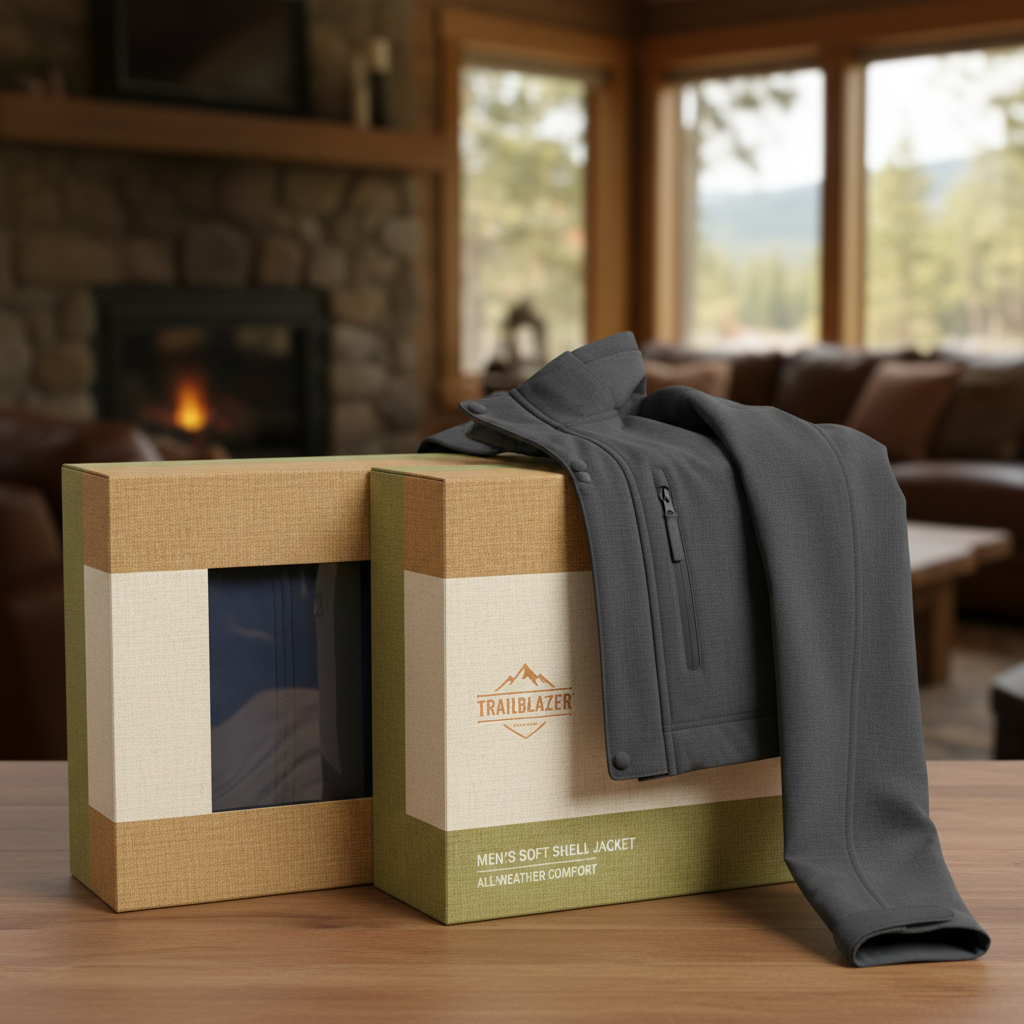

Insulated Softshell Jacket: A Smart Choice for Modern Outerwear
If you've ever been caught out on a chilly day, you probably appreciate a jacket that keeps you warm but still lets your skin breathe. That’s exactly what an insulated softshell jacket offers — blending warmth, flexibility, and weather resistance into one go-to piece of gear. But beyond casual outdoor wear, these jackets have grown tremendously in global relevance, especially as industries and humanitarian efforts demand versatile clothing that can perform in unpredictable climates.
What Makes Insulated Softshell Jackets So Important Worldwide?
In real terms, every year, millions face harsh weather while working in remote locations — think disaster zones, rugged industrial fields, or even cold urban environments. According to World Bank data, extreme weather incidents have increased by nearly 35% over the last two decades, making reliable protective clothing more than a convenience — it's a necessity.
So, understanding insulated softshell jackets and their technology is key not just for enthusiasts but also for industries like construction, outdoor recreation, and humanitarian organizations alike.
Defining the Insulated Softshell Jacket
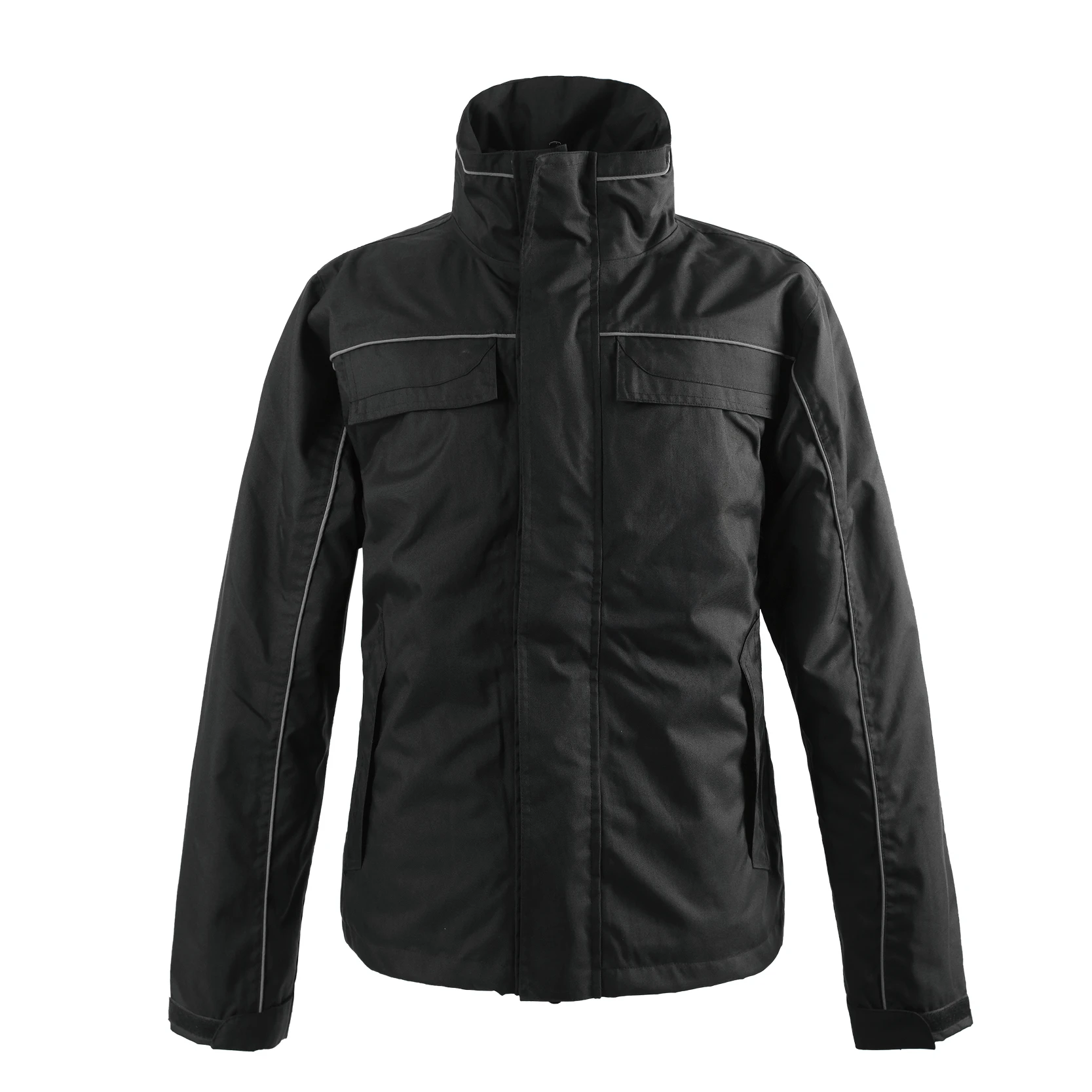
Simply put, an insulated softshell jacket is an outerwear garment combining a soft, flexible, and breathable fabric with an inner insulating layer. Softshell materials typically repel water and wind better than fleece yet remain more comfortable and stretchier than traditional hardshells.
This makes them especially useful where mobility is a must, and weather conditions are mixed — maybe snow in the morning, rain by afternoon.
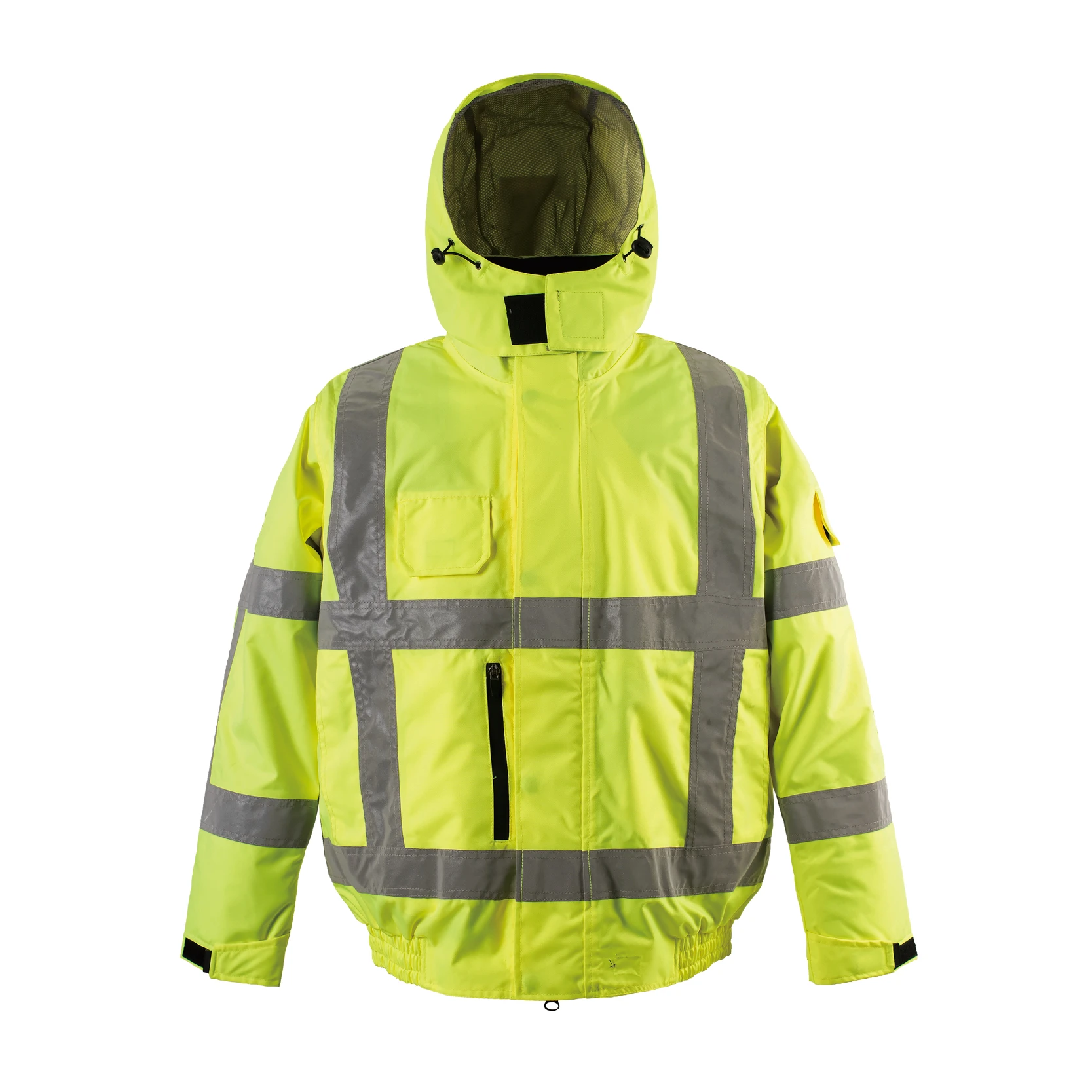
Industries benefiting from these jackets range from search and rescue teams to forestry workers, and even international relief agencies operating per ISO environmental standards, where clothing durability and thermal regulation are mission-critical.
Key Components of an Insulated Softshell Jacket
- Durability
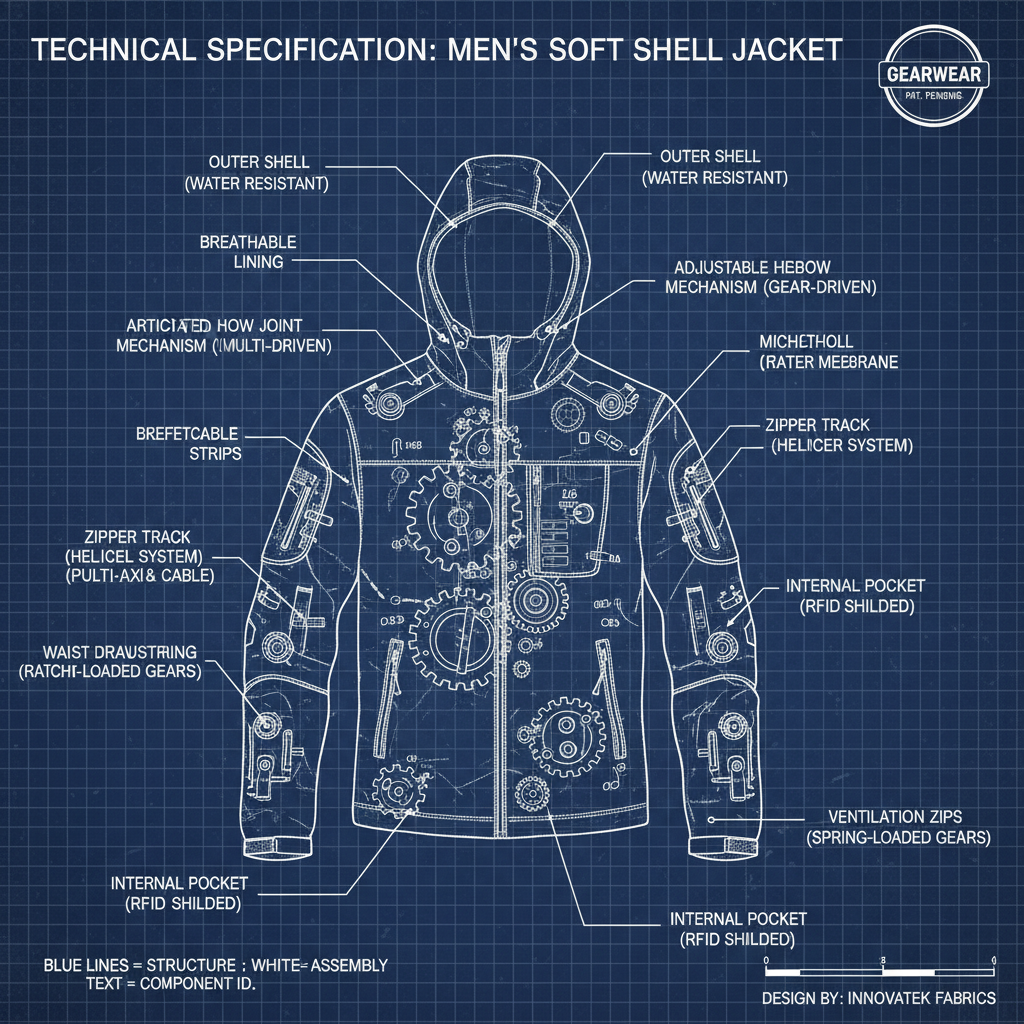
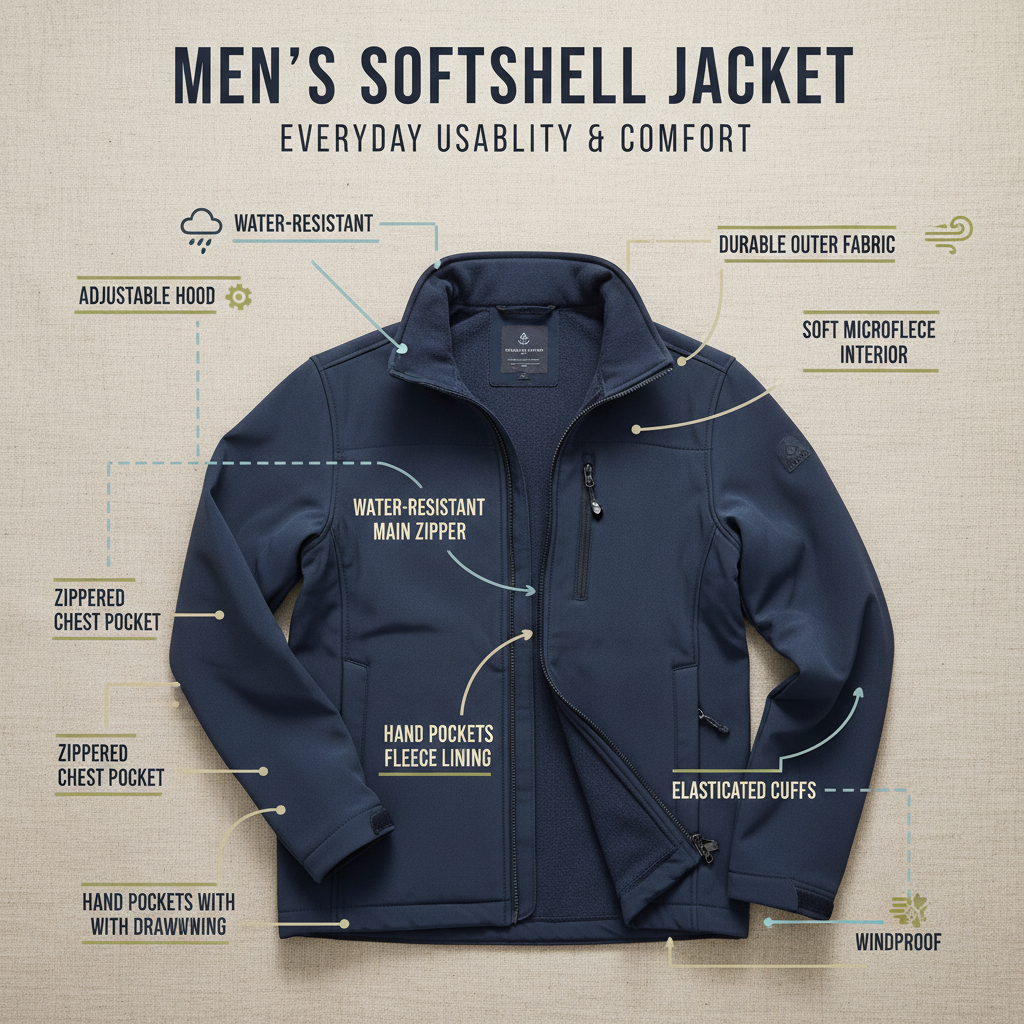
Softshell fabrics often use tightly woven polyester or nylon blends with DWR (durable water repellent) coatings. This lets them resist abrasions and wet conditions without compromising comfort. - Insulation
Unlike bulky winter coats, insulated softshell jackets usually feature lightweight synthetic or natural fill that traps heat without adding weight or stiffness. - Breathability
These jackets allow moisture vapor to escape, reducing overheating during active use—an essential factor for workers or hikers exerting themselves. - Wind & Water Resistance
While not fully waterproof like hardshells, softshells create a shield against wind chill and light rain, making them versatile for layered outfits. - Mobility
The stretchable fabric helps users maintain a full range of movement, crucial for physical tasks outdoors or in emergency situations.
Mini takeaway: Those five aspects combined explain why insulated softshell jackets have become so widely favored for practical, all-day wear.
Product Specifications: A Typical Insulated Softshell Jacket
| Feature | Specification |
|---|---|
| Outer Fabric | Polyester/Nylon blended softshell with DWR coating |
| Insulation Material | Lightweight synthetic fiber fill |
| Weight | Approx. 450 grams |
| Water Resistance | Water repellent, suitable for light rain |
| Windproof Rating | Moderate wind resistance |
| Breathability | High moisture-vapor transmission |
Global Applications & Use Cases
Insulated softshell jackets aren’t just for weekend hikers. Oddly enough, they feature heavily in various sectors and regions worldwide:
- Disaster Relief & Humanitarian Work: In post-disaster scenarios, aid workers require garments that balance warmth and quick-drying comfort — key in damp or freezing conditions following floods or earthquakes.
- Industrial Sectors: Remote oil & gas fields in Canada or mining operations in Australia rely on durable, insulated softshell jackets because they support long shifts in cold, windy environments, all while allowing enough arm mobility.
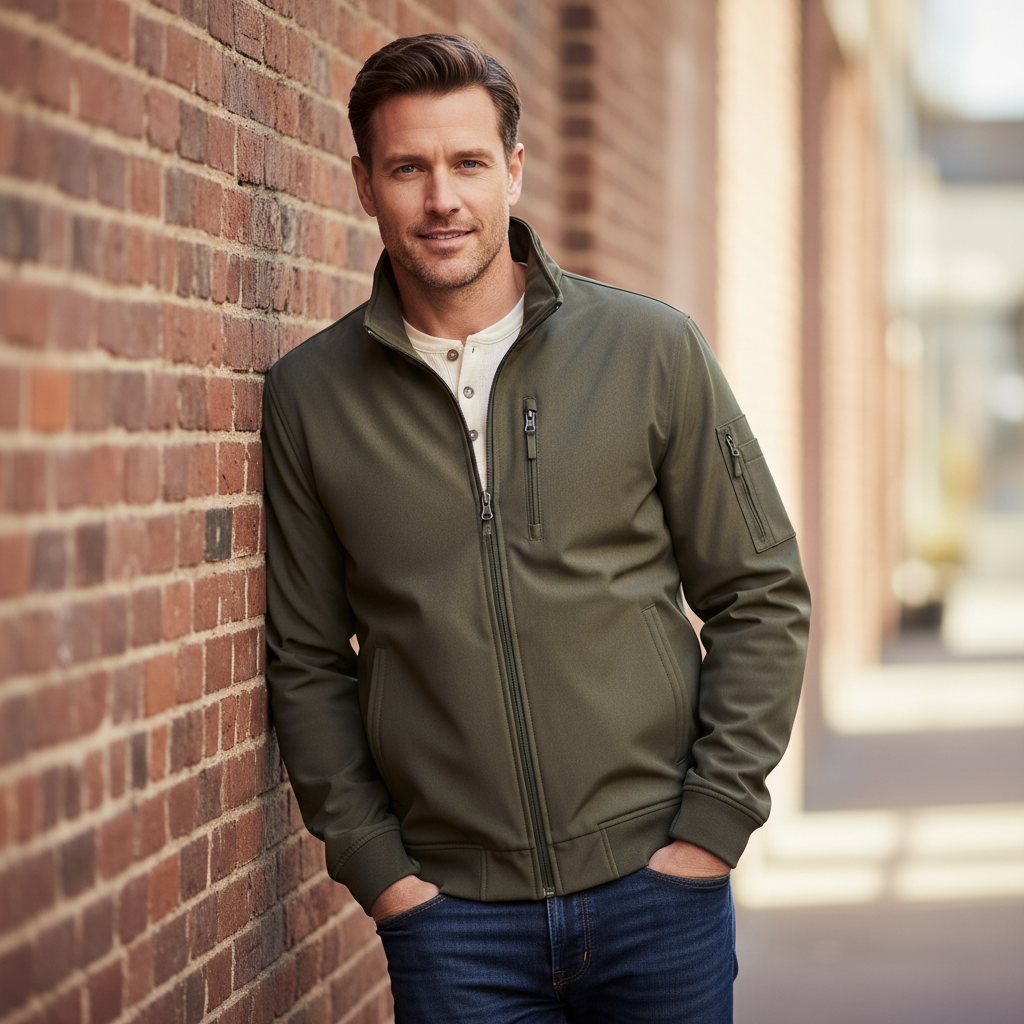
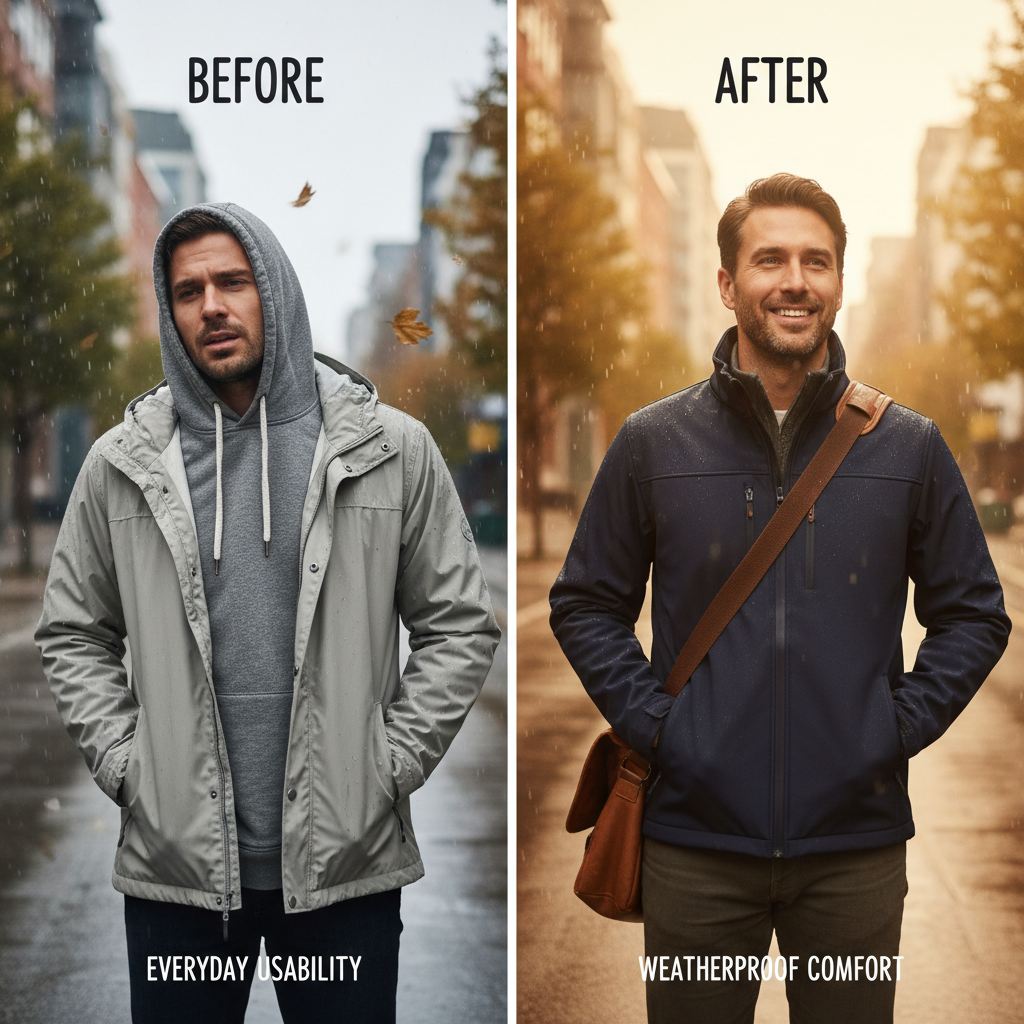
- Urban & Outdoor Recreation: City commuters in temperate climates favor these jackets because of their sleek appearance and multi-weather adaptability — a nice bonus for casual users too.
Mini takeaway: Versatility across both harsh and mild environments explains why insulated softshell jackets remain stretchable staples, bridging comfort and protection.
Vendor Comparison: Popular Insulated Softshell Jackets
| Brand | Material | Insulation Type | Water Resistance | Price Range |
|---|---|---|---|---|
| Brand A | Polyester Softshell + DWR | Synthetic Fiber | Light rain resistant | $120 - $160 |
| Brand B | Nylon Blend with Microfiber | Down Alternative | Water resistant, windproof | $180 - $220 |
| Brand C | Softshell with Recycled Polyester | Eco-friendly synthetic | Water repellent, breathable | $150 - $200 |
Advantages & Long-Term Value of Insulated Softshell Jackets
From a logical perspective, these jackets offer clear benefits: they combine protection with mobility, reducing the need for multiple layers — which saves money and packing space. For businesses, that means fewer replacement costs and happier, more productive employees.
Emotionally? There’s real comfort in knowing you’ve got reliable gear when conditions turn sour. Safety and dignity in tough environments matter — no worker wants to feel chilled or restricted. Innovation in this garment category shows trustworthiness too; companies invest in tech that meets both physical and ethical standards.
Emerging Trends & Innovations
Looking ahead, the insulated softshell jacket integrates eco-friendly textiles, such as fabrics made from recycled plastics or biodegradable fibers. Some brands are exploring smart textiles that regulate temperature dynamically or incorporate solar-powered heating elements.
Plus, sustainability policies championed by organizations aligned with ISO 14001 environmental management encourage manufacturers to reduce water waste and chemical use during production.
In digital transformation terms, online customization and 3D knitting technologies promise more tailored fits reducing returns and waste — an odd but welcome twist in outdoor apparel.
Challenges & Solutions
Not everything’s perfect, though. Softshell jackets sometimes fall short in heavy rain, as they can’t fully replace hardshell waterproof gear. Insulation can compress over time, reducing warmth. There's also variability in sizing and fit, which frustrates some buyers.
Experts suggest layering solutions with waterproof shells or using packable insulated jackets as complements. Innovation in stretch fabric blends and insulation recovery aims to tackle compression issues. And, frankly, consumer education on proper jacket use helps manage expectations.
FAQ: Frequently Asked Questions About Insulated Softshell Jackets
- What’s the difference between an insulated softshell jacket and a hardshell?
- An insulated softshell jacket is softer, stretchier, and provides moderate water and wind resistance plus warmth, making it great for active use in mixed weather. A hardshell is fully waterproof but less breathable and usually lacks insulation.
- Can I wear an insulated softshell jacket in heavy rain?
- They are water repellent but not fully waterproof. For heavy rain, it’s best to layer with a waterproof hardshell or choose jackets specifically rated for heavier precipitation.
- How do I care for my insulated softshell jacket?
- Machine wash on gentle cycle with mild detergent. Avoid fabric softeners or bleach. Reapply DWR treatments as recommended to maintain water repellency.
- Is an insulated softshell jacket suitable for high-intensity outdoor work?
- Yes, especially for activities requiring mobility and moderate weather protection. For extreme cold or wet conditions, layering with other garments is advised.
- Where can I buy reliable insulated softshell jackets?
- Many brands offer quality options. For a start, explore insulated softshell jacket selections that balance performance with price.
Conclusion
In summary, insulated softshell jackets represent a smart blend of warmth, flexibility, and weather protection that fits the needs of many sectors worldwide — from urban commuters to humanitarian relief workers. Their evolving materials and design innovations promise even greater comfort and sustainability in coming years. If you’re looking to upgrade your outerwear, this type of jacket is definitely worth considering.
For a deep dive into quality insulated softshell jackets, don’t hesitate to visit our website where you'll find products tailored for a wide range of uses.
Oddly enough, the right jacket can change how you face the elements — it’s kind of empowering, isn’t it?