
Understanding High Visibility Safety Apparel: Why It Matters Worldwide
High visibility safety apparel isn’t just bright clothing — it’s a critical gear category that saves lives and keeps workers safe in hazardous environments globally. Whether on bustling city construction sites, remote mining operations, or emergency disaster zones, the demand for such apparel continues to surge. Over the past decade, industries worldwide have realized that proper visibility reduces workplace accidents by up to 70%, according to the International Labour Organization (ILO). But it’s more than a statistic; understanding the science, standards, and practical value behind high visibility safety apparel helps companies, governments, and relief organizations foster safer working conditions.
Mini takeaway: High visibility safety apparel’s global importance comes from its proven role in accident prevention and workplace safety, which transcends borders and industries.
The Global Need for High Visibility Safety Apparel
Worldwide, workplace accidents continue to be a major cause of injury and fatality, with the International Labour Organization estimating over 2.3 million deaths annually. A significant portion occurs in sectors with high manual labor or low ambient lighting—think roadwork crews, airport ground staff, and emergency responders. In particular, low- and middle-income countries face challenges because protective standards and enforcement often lag behind economic growth and infrastructure development.
According to the ISO 20471 standard, high visibility safety apparel must meet specific criteria to ensure optimal visibility, particularly in low-light conditions. Compliance with these standards is crucial not only for industrial safety but also for public safety during nighttime urban maintenance or disaster response.
One problem stands out: Without standardized, reliable high visibility apparel, workers risk being unseen — which can cost lives. This creates a pressing need for durable, bright, and comfortable apparel adapted for diverse environments.
Mini takeaway: The urgency for effective high visibility gear exists worldwide, particularly in vulnerable regions and sectors, confirming a clear market and humanitarian need.
Defining High Visibility Safety Apparel
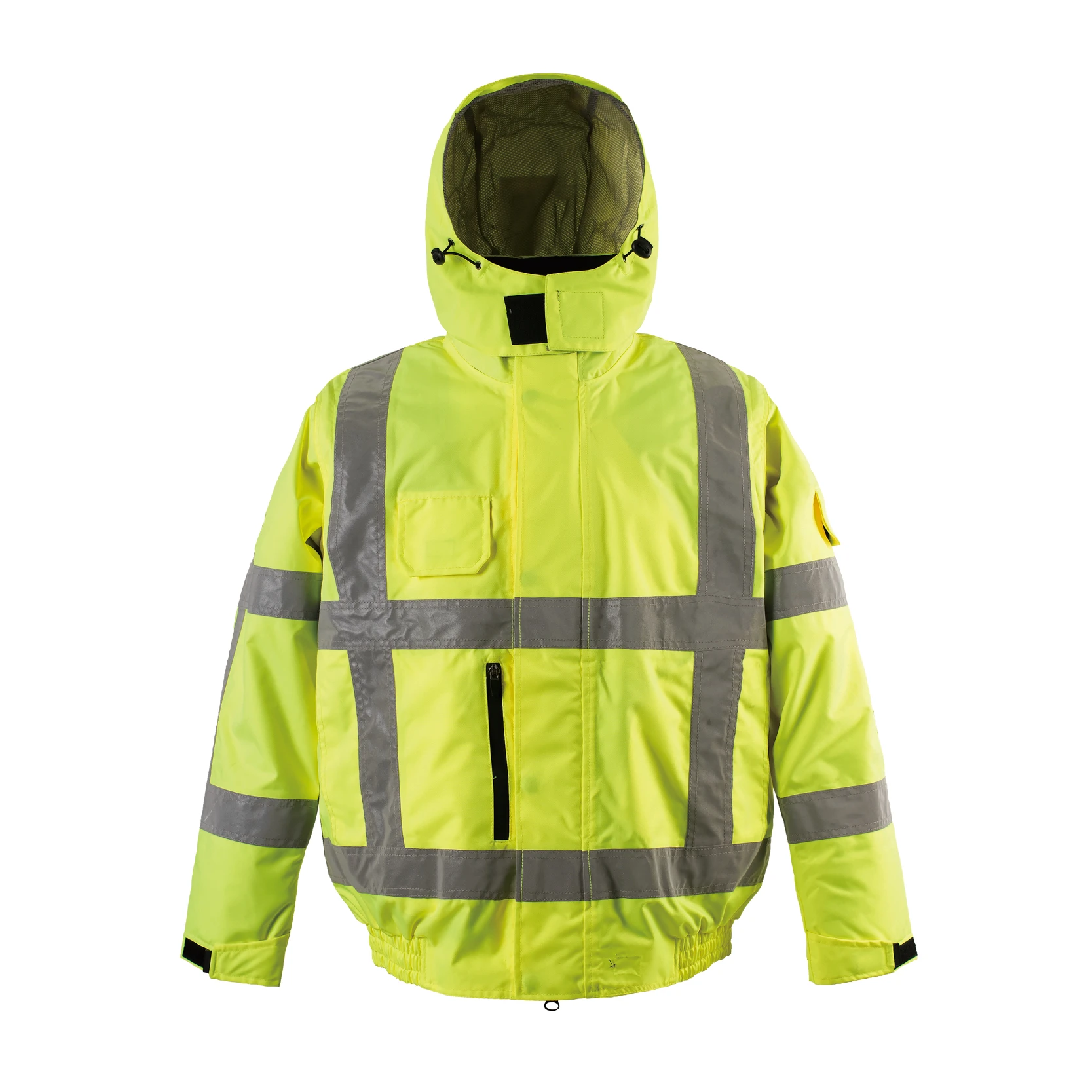
Put simply, high visibility safety apparel consists of garments—vests, jackets, coveralls—that are deliberately designed to make the wearer conspicuous in any lighting condition. Typically, this means using fluorescent materials paired with retroreflective strips that catch headlights or ambient light. The fabrics are often neon yellow, orange, or lime green, colors scientifically proven to stand out against natural and urban backdrops.
This apparel bridges a unique gap between modern industrial safety regulations and humanitarian needs. For instance, disaster relief workers and search-and-rescue teams depend on high visibility gear not only to stay safe but also to quickly identify team members in chaotic environments. So it's part protective measure, part communication tool.
Mini takeaway: High visibility apparel is a smart blend of color science, reflective technology, and ergonomic design serving safety and identification needs.
Core Features of Quality High Visibility Safety Apparel
Durability
What good is bright gear if it wears out after a few washes? High visibility safety apparel must withstand harsh conditions—UV exposure, abrasion, rain, and chemicals—without fading or losing reflectivity. Fabrics like polyester blends with PU coatings often prevail here.
Comfort & Breathability
It’s no secret that uncomfortable clothing reduces compliance. Workers are more likely to wear their gear correctly if it allows airflow and movement. Innovations like mesh panels and moisture-wicking fabrics improve user experience dramatically.
Visibility Standards Compliance
Meeting standards such as ISO 20471 or ANSI/ISEA 107 is crucial. These dictate minimum material brightness and reflective strip placement. Apparel that’s merely “bright” but not compliant can give a false sense of security.
Customization and Scalability
Reflective clothing often needs customization — logos, rank badges, or identification numbers for teams. Vendors that offer scalable design options can meet specialized industry or organizational demands.
Cost Efficiency
Balancing cost with effectiveness is always a challenge. More affordable apparel may suffice in low-risk areas, but investing in premium-grade gear pays off over time with durability and compliance.
| Specification | Typical Value | Notes |
|---|---|---|
| Material | Polyester Blend (PU-coated) | Water-resistant, breathable |
| Fluorescent Color | Lime Green or Safety Orange | ISO-compliant |
| Reflective Tape Width | 50 mm | High retroreflectivity |
| Weight | 250 g/m² | Mid-weight for durability & comfort |
| Certification | ISO 20471:2013 | International safety standard |
Mini takeaway: Great high visibility apparel balances tough materials, comfort, certification, and customization in one package.
Where High Visibility Safety Apparel Shines Globally
From the frozen roads of Scandinavia to the sweltering mining operations of Australia, demand for robust high visibility safety gear spans the globe:
- Construction Industry: Workers exposed to heavy machinery depend on apparel that keeps them clearly visible to crane operators and vehicle drivers.
- Public Safety and Emergency Services: Police, firefighters, and EMTs use high visibility apparel during night operations or chaotic disaster response.
- Mining and Industrial Sites: These environments are often dim, dusty, or cluttered — ideal for strict visibility regulations.
- Transportation and Logistics: Airport baggage handlers, railway workers, and dockworkers rely on reflective apparel for obvious safety reasons.
- Humanitarian Aid and Disaster Relief: Organizations like the UN and Red Cross use such gear for identification and safety in emergency zones.
Interestingly, NGOs in Asia and Africa increasingly require custom high visibility solutions tailored to tropical climates, which must be lightweight but just as effective.
Mini takeaway: High visibility apparel’s global footprint crosses industries and climates, requiring adaptability and innovation.
Real Advantages and Lasting Impacts
At its core, the benefit of high visibility safety apparel is straightforward: fewer accidents, greater peace of mind. But there’s more beneath the surface:
- Cost Savings: Reduced incidents translate to fewer work stoppages, medical claims, and legal expenses.
- Sustainability: Durable gear cuts down on frequent replacements, lowering resource waste.
- Social Impact: Empowering workers with protective clothing enhances dignity and workplace morale.
- Trust and Innovation: Companies who invest in compliant apparel signal commitment to safety, which clients appreciate.
One engineer I spoke with said, “High visibility apparel is often overlooked until the moment it’s needed — when it really counts.” That stuck with me. It’s the frontline defense that quietly does its job until an accident is prevented.
Innovations Lighting the Path Forward
Looking ahead, sustainability and tech advancements promise to change the game:
- Eco-Friendly Fabrics: Recycled polyester and bio-based coatings reduce environmental footprints.
- Smart Safety Gear: Integrating LEDs or Bluetooth beacons boosts visibility beyond reflectivity.
- Enhanced Testing: Digital photometric tools ensure garments pass stringent ISO and ANSI criteria faster and more precisely.
- Automation in Production: Custom printing and reflective tape placement at scale helps meet unique industry demands.
Smart high visibility safety apparel may seem futuristic, but firms are already piloting these in urban infrastructure projects, proving practicality and longevity.
Challenges and How the Industry Tackles Them
Despite its benefits, high visibility apparel faces hurdles:
- Cost Barriers: Premium materials can be prohibitive for smaller organizations or developing regions.
- Maintenance Issues: Reflective properties degrade from washing or damage.
- Compliance Confusion: Varied local standards cause mismatches in garment effectiveness.
Innovative solutions include modular garment designs that allow replacing worn reflective strips instead of the whole item, and vendor education programs that clarify compliance requirements. Even open-source safety standards initiatives help harmonize guidelines globally.
| Vendor | Price Range | Certifications | Customization Options | Lead Time |
|---|---|---|---|---|
| BrightSafe Co. | $$ | ISO 20471, ANSI 107 | Logo, reflective pattern | 2-4 weeks |
| SafeGlow Industries | $$$ | ISO 20471, CE | Full clothing line custom print | 4-6 weeks |
| EcoWear Safety | $ | ISO 20471 (eco line) | Limited | 1-3 weeks |
Frequently Asked Questions About High Visibility Safety Apparel
What standards should I look for when buying high visibility safety apparel?
Ensure the apparel complies with standards like ISO 20471 (international) or ANSI/ISEA 107 (US). These standards guarantee a minimum level of fluorescent material and reflectivity, which are critical for safety.
How long does high visibility clothing usually last before needing replacement?
Durability depends on use and care, but typically 1-3 years under normal industrial usage is common. Proper washing and maintenance can extend life, though reflective tape’s efficiency usually degrades first.
Can high visibility apparel be customized for specific industries?
Absolutely, many vendors provide custom options such as team logos, color tweaks for different roles, and additional pockets or reinforcements for specialized tasks.
Is high visibility apparel suitable for tropical climates?
Yes, manufacturers often offer lightweight, breathable versions specifically designed for hot, humid environments, maintaining both comfort and safety.
Where can I find reliable suppliers of high visibility safety apparel?
You can start by reviewing certified providers who clearly list their compliance certifications, customization services, and manufacturing standards. Sites like high visibility safety apparel offer a curated range of certified products.
Wrapping Up: Safety, Visibility, and the Road Ahead
In the end, investing in reliable high visibility safety apparel isn’t just about ticking safety checkboxes; it’s about making safety visible, palpable, and effective. As the world’s industries evolve, so too does the technology and materials behind this often-underestimated workwear category. Remember, a well-designed garment can mean the difference between an accident avoided and a tragedy that could have been prevented.
To explore cutting-edge options that blend compliance, comfort, and smart design, do visit our website. Because every worker deserves to be seen — clearly and safely.
References: