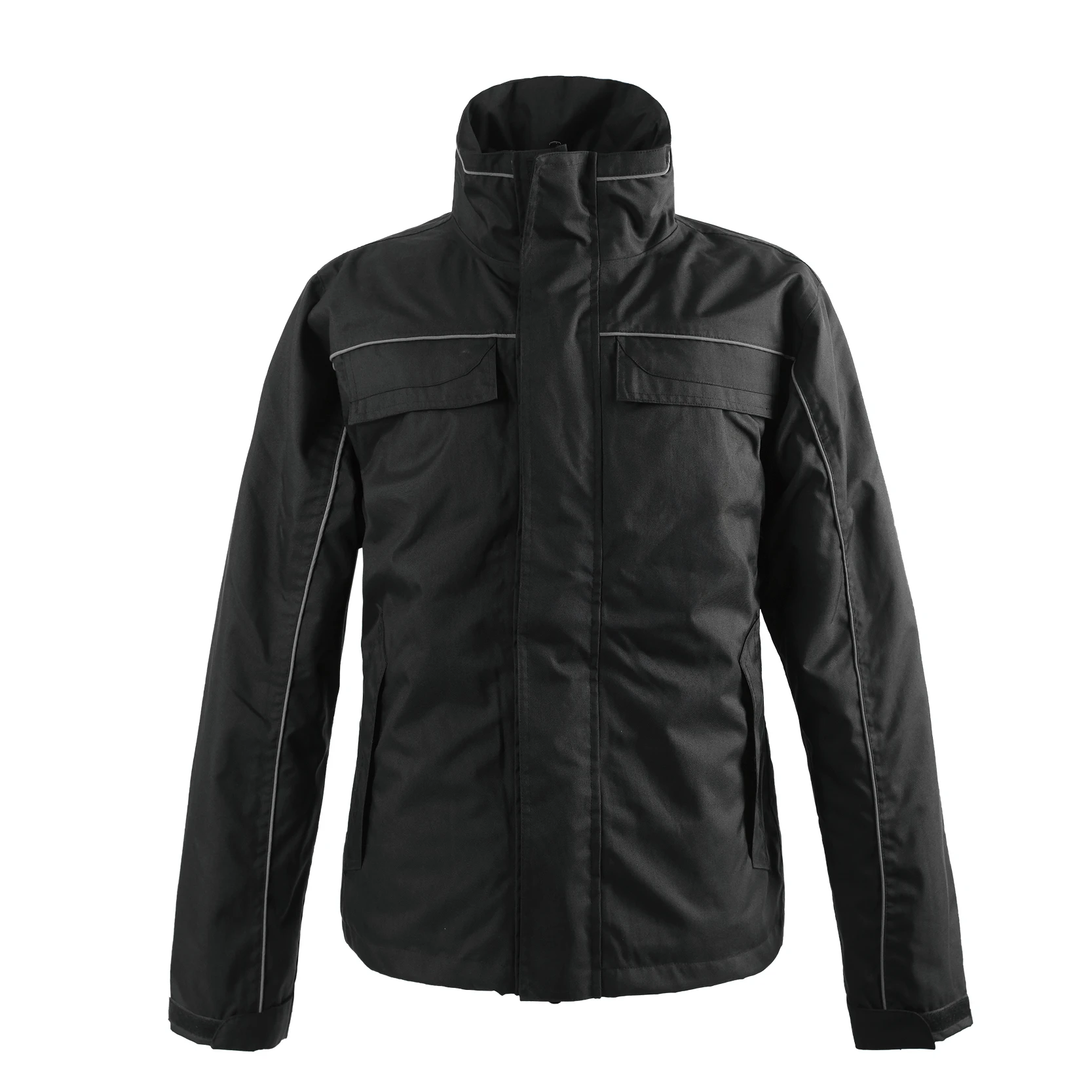
Technical outerwear serves as a critical barrier between the wearer and harsh environmental conditions, blending flexibility with protection. A custom soft shell jacket is engineered to provide wind resistance and water repellency while maintaining a level of breathability that hard shells often lack. This article explores the technical specifications and procurement considerations necessary for businesses to source high-performance protective clothing that meets rigorous industrial standards. In the B2B garment sector, the challenge lies in balancing durability with comfort. Whether for construction, outdoor logistics, or corporate branding, the selection of fabrics and coatings directly impacts the utility of the garment.
Selecting the right outer layer for a professional workforce involves balancing durability, weather resistance, and brand visibility. For organizations operating in transitional climates or high-activity environments, the move toward specialized performance apparel has become a priority. The integration of high-density weaving and precision branding allows companies to maintain a cohesive professional image without compromising the physical protection of their staff. Whether for construction site supervisors, logistics managers, or outdoor technical teams, the demand for custom embroidered soft shell jackets centers on the need for versatile gear that withstands abrasion while remaining breathable.
Soft shell jackets represent a hybrid category of outerwear designed to balance wind resistance, water repellency, and breathability. Unlike traditional hard shells, these garments prioritize flexibility and comfort, making them essential for outdoor workwear and athletic activities. For businesses looking into soft shell jacket wholesale, understanding the technical interplay between the outer face fabric and the internal membrane is critical for ensuring the product meets end-user expectations in varying climates. In the B2B apparel sector, the procurement of functional outerwear requires a deep dive into textile engineering. The challenge lies in selecting a fabric that offers sufficient protection against the elements
Professional procurement of technical outerwear requires a deep understanding of the balance between breathability, weather protection, and durability. For businesses sourcing soft shell jackets wholesale , the goal is to secure garments that maintain high performance across diverse climates while offering a professional aesthetic for corporate or retail environments. This guide analyzes the technical benchmarks necessary for high-quality outerwear acquisition. In the B2B landscape, the transition from traditional heavy coats to versatile soft shell solutions is driven by the demand for all-weather utility. These garments must address the specific challenges of outdoor labor and active commuting, where movement is critical
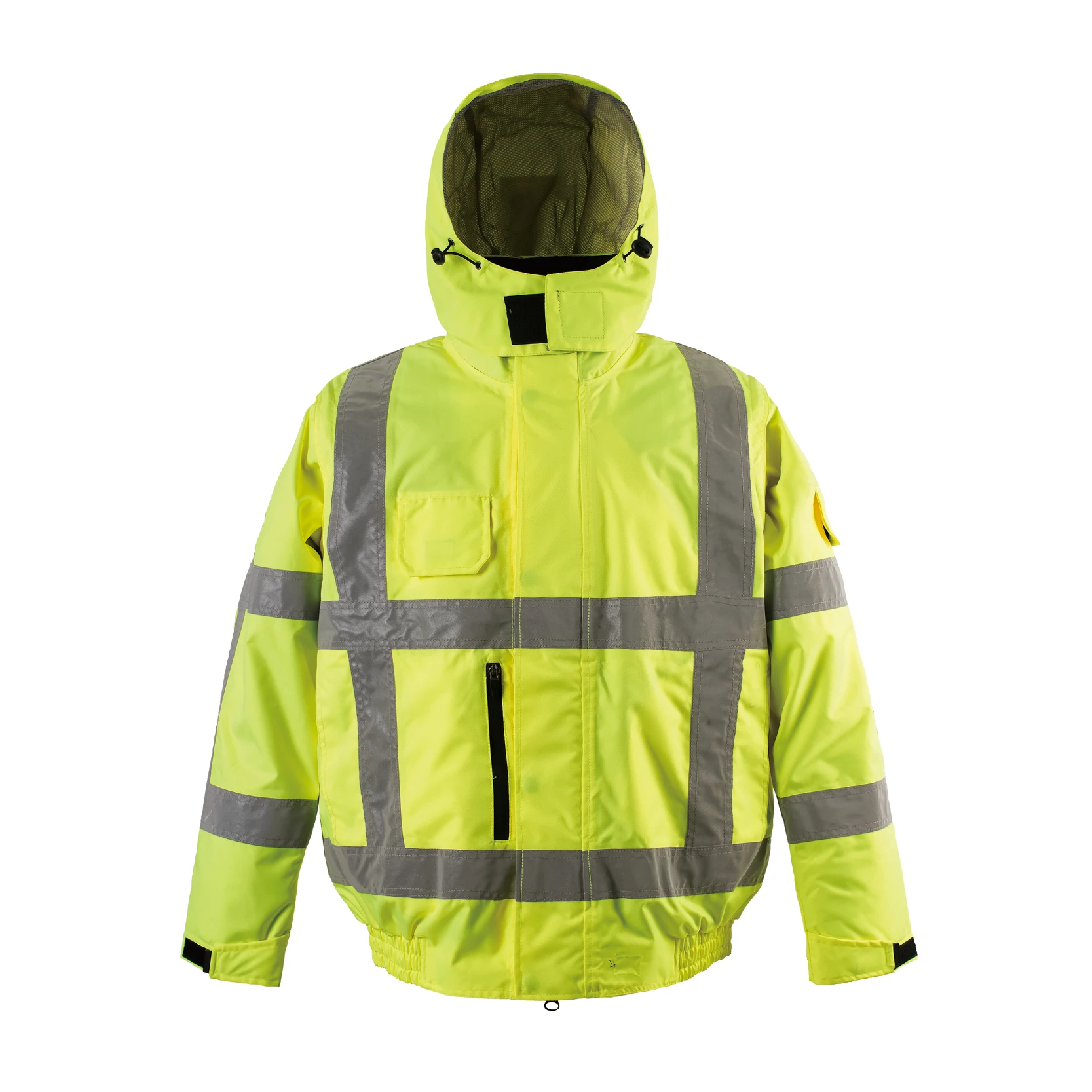
Selecting protective outerwear for industrial environments requires a precise balance between weather resistance and operational safety. For procurement managers sourcing high-visibility gear, the challenge often lies in finding equipment that provides genuine waterproof performance without compromising the budget. The JD61001 represents a strategic solution in functional apparel, integrating a two-in-one modular design that adapts to fluctuating seasonal temperatures while maintaining strict compliance with safety standards. This system consists of a PU-coated outer shell and a removable padded inner jacket, ensuring that workers remain dry and warm during strenuous outdoor tasks.
Selecting the right production partner for technical clothing requires a deep understanding of textile science and manufacturing capabilities. For brands focusing on durability and weather resistance, the ability to integrate specialized fabrics with precise construction is the primary differentiator between a generic garment and professional outdoor gear. This guide examines the technical requirements and procurement strategies necessary for sourcing high-quality apparel designed for extreme environments. The global demand for functional clothing has shifted toward a balance of performance and sustainability. Modern procurement involves evaluating a partners ability to handle complex specifications, such as waterproof-breathable membranes and recycled materials, while maintaining a scalable production line.
Selecting the right protective outerwear for children requires a precise balance between thermal insulation, weather resistance, and mobility. For procurement managers and brand owners sourcing from specialized garment providers, the technical construction of a winter coat determines its performance in harsh outdoor environments. The JD93001 Kids Outdoor Winter Padding Coat is engineered to address these specific needs, utilizing high-density polyester pongee to shield young adventurers from wind and moisture while maintaining a lightweight profile. By focusing on ergonomic details such as chin guards and elastic inner cuffs, this garment ensures that safety and comfort are not compromised during active winter use
Selecting a reliable partner for technical apparel requires an understanding of the intersection between material science and industrial manufacturing. For brands focusing on high-performance gear, the ability to synchronize fabric functionality with precise construction is what determines the success of a product in harsh environments. This guide examines the critical parameters involved in sourcing from an outdoor garment factory to ensure product durability and user safety. In the B2B landscape, the shift toward specialized performance wear such as ski suits, hunting gear, and technical workwear has increased the demand for factories that possess integrated technical and sampling departments.
High-visibility apparel serves as a critical safety layer in hazardous environments, ensuring workers remain visible to vehicle operators and heavy machinery. When businesses seek cheap hi vis jackets, the objective is typically to find a balance between budget constraints and the non-negotiable requirements of occupational safety. This guide examines how to acquire cost-effective safety gear without compromising on protective integrity. In the B2B procurement landscape, the cost of safety gear is not merely the purchase price but the total cost of ownership, including the frequency of replacement and the risk of non-compliance fines.
Ensuring visibility and warmth in harsh winter environments is a critical safety requirement for outdoor activities and industrial work. When selecting protective outerwear, the balance between thermal insulation and high-contrast visibility often dictates the effectiveness of the garment. For those seeking customized safety solutions, integrating specific functional requirementssuch as windproofing and water resistanceinto a high-visibility design is essential for reducing risks in low-light conditions. The specialized boys outdoor winter padding vest Item JD94001 exemplifies this integration, combining a vivid yellow, crisp white, and deep navy blue color scheme to maximize visual impact.
High-visibility safety apparel is a critical component of occupational health and safety, designed to increase the visibility of workers in hazardous environments. Whether in construction, roadside maintenance, or logistics, the primary goal is to prevent accidents by ensuring the wearer is seen by vehicle operators and heavy machinery pilots. This guide examines the technical requirements and commercial considerations for sourcing specialized safety gear. For organizations managing large workforces, the challenge lies in balancing strict safety certifications with employee comfort and corporate branding. The integration of custom hi vis clothing allows firms to maintain safety compliance while reinforcing professional identity.
High-visibility clothing is a critical safety requirement for professionals working in hazardous environments, such as construction sites, roadworks, and aviation. The primary objective of this gear is to ensure that workers are seen by vehicle operators and heavy machinery drivers, thereby reducing the risk of accidents. This article examines the technical requirements for visibility apparel and how businesses can optimize their safety gear procurement. Selecting the right safety garments involves more than just choosing a bright color. It requires an understanding of retroreflective materials, fabric breathability, and international safety standards.
In the dynamic world of workwear and outdoor apparel, our Men's Hi - Vis Winter Jacket emerges as a paragon of innovation, blending high - visibility safety features with unparalleled functionality and comfort.
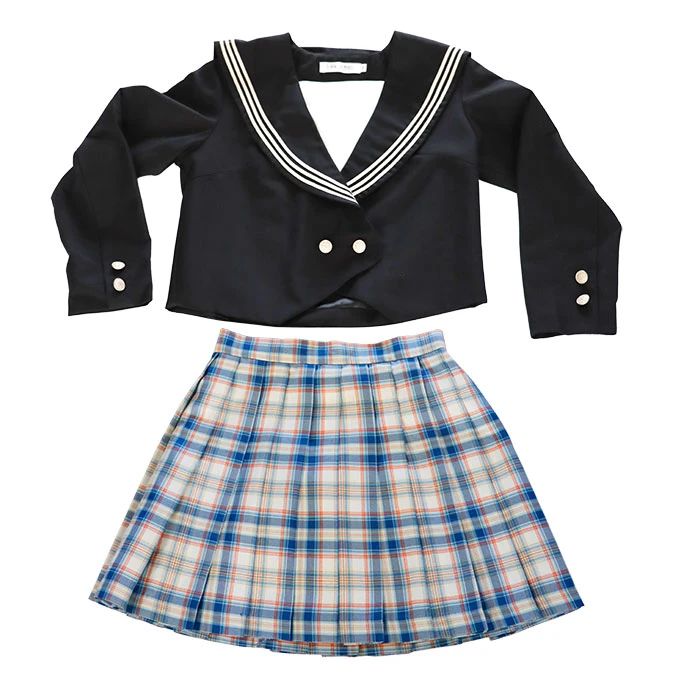
This is an exquisitely designed student uniform that seamlessly blends classic elements with a contemporary flair. it is Japanese college style. we also called sailor suit . it represents a unique fashion style.