
The Ultimate Guide to Soft Shell Coats
When navigating unpredictable weather, a reliable outer layer is essential. Soft shell coats offer a compelling blend of comfort, protection, and versatility, making them ideal for a wide range of activities. This guide will delve into the features, benefits, and considerations when choosing the right soft shell coat, providing a comprehensive overview for outdoor enthusiasts and professionals alike. From everyday commutes to adventurous expeditions, a quality soft shell coat can make all the difference.
What Makes a Soft Shell Coat Different?
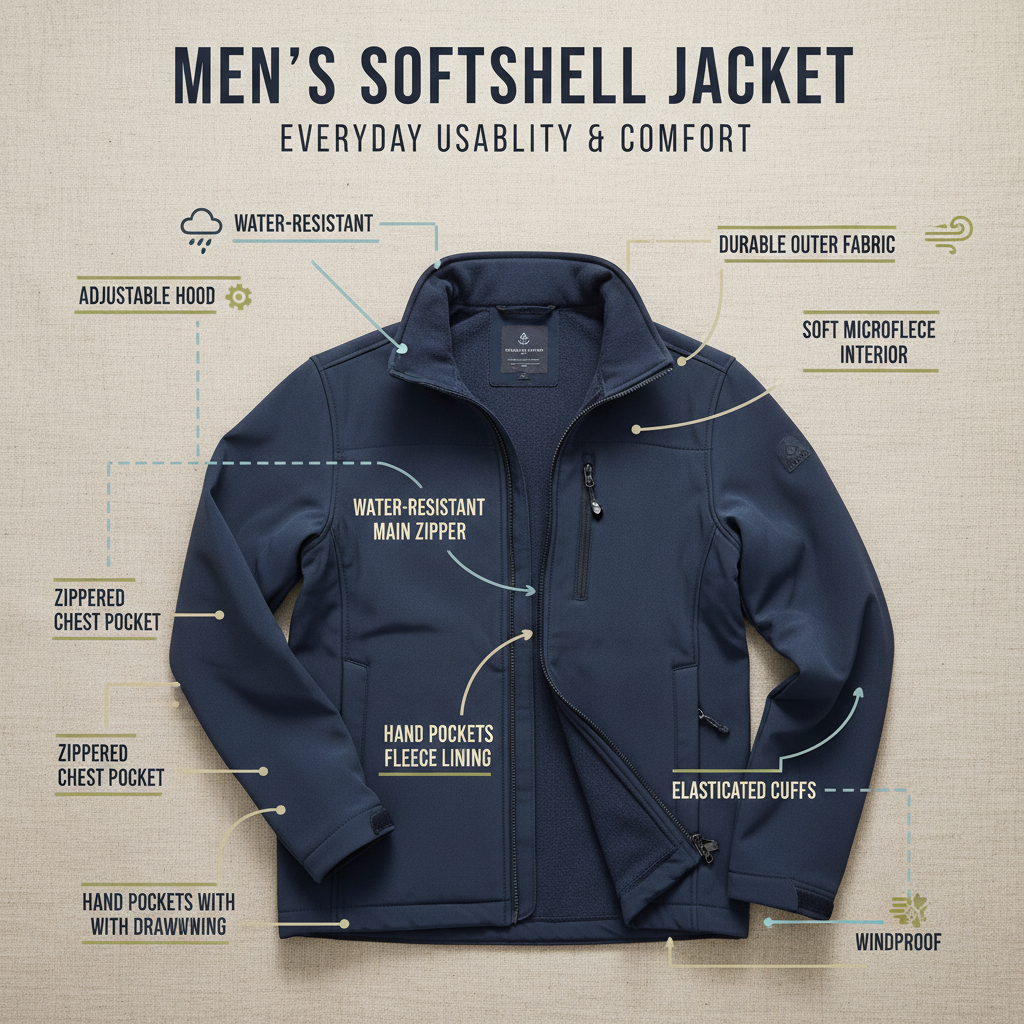
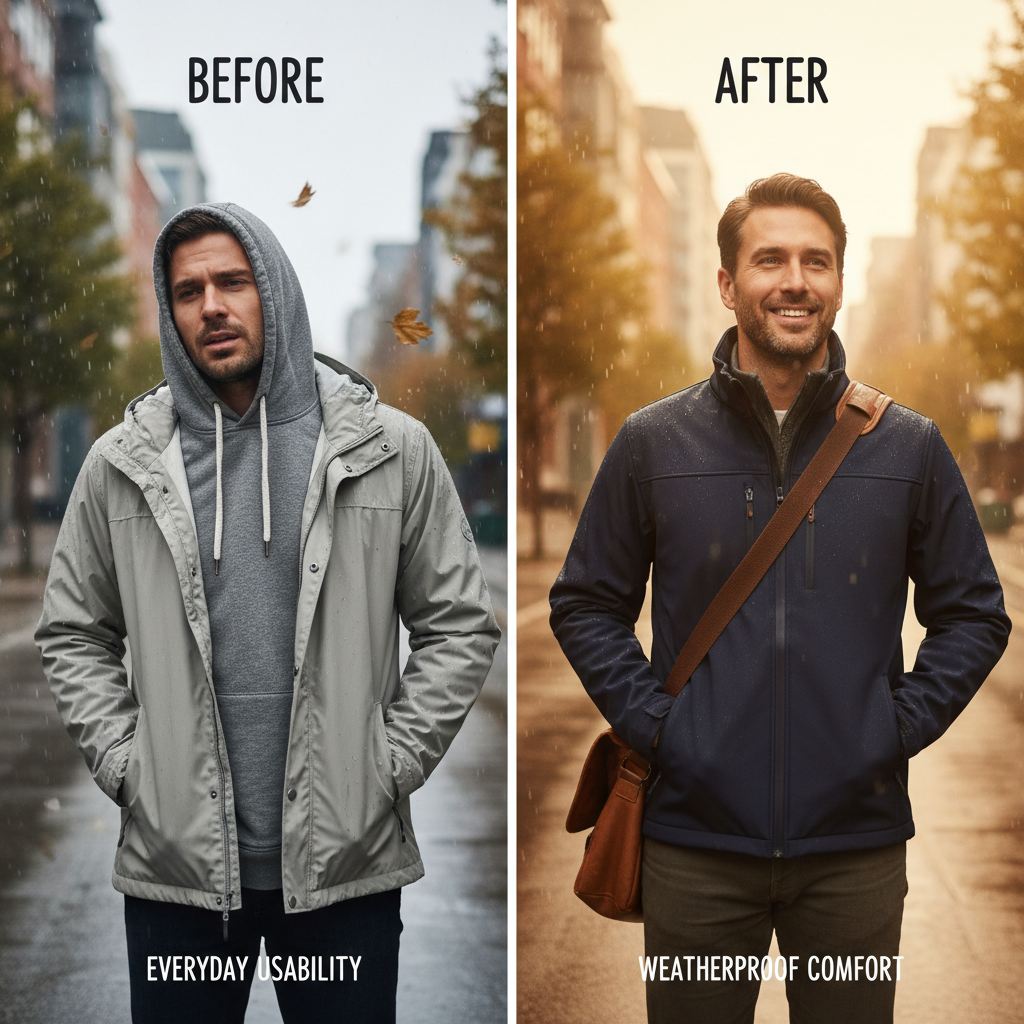
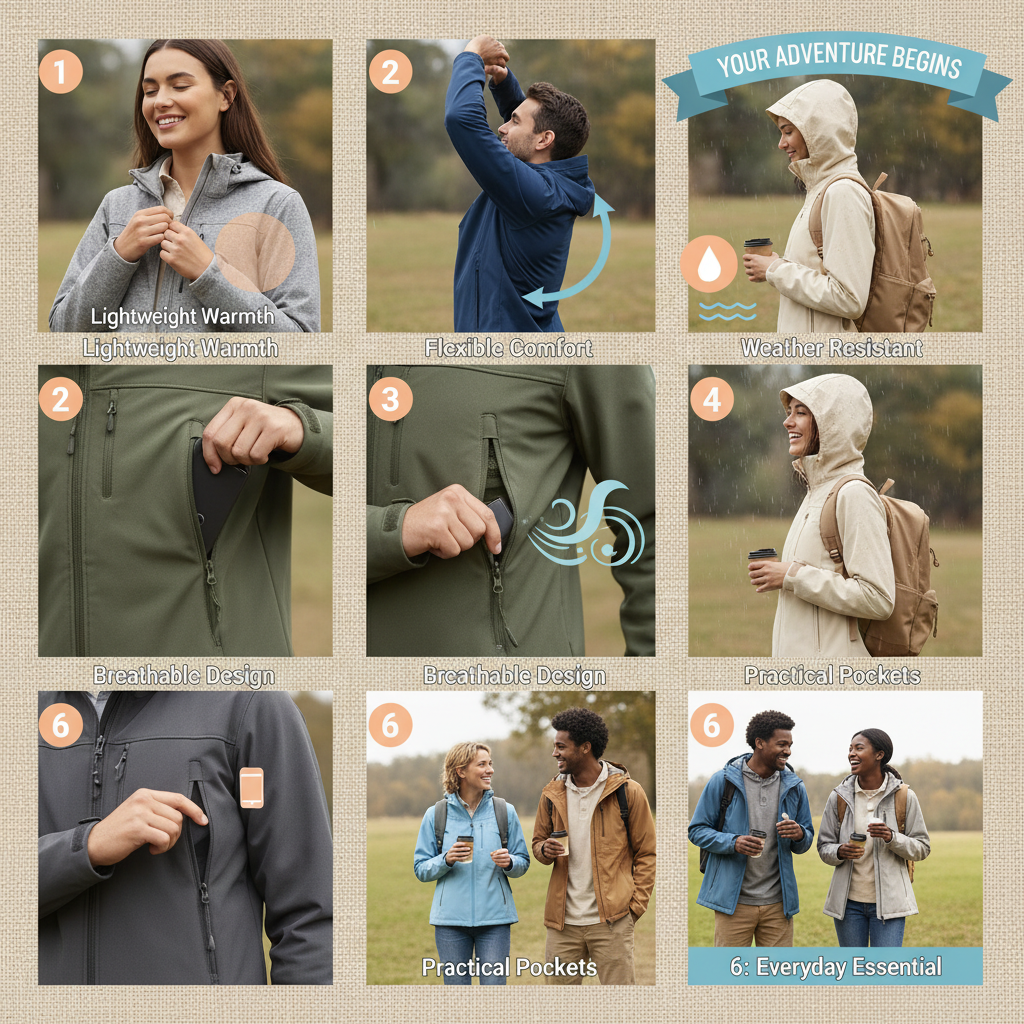
Unlike traditional waterproof jackets with a separate membrane, soft shell coats construct weather resistance directly into the fabric. This often involves a tightly woven construction paired with a Durable Water Repellent (DWR) finish. The result is a more breathable, flexible, and comfortable garment compared to hard shell options. Soft shell coats excel in moderate conditions – light rain, wind, and cool temperatures – offering excellent mobility and comfort. They are generally less bulky and more packable, making them convenient for travel or everyday use. You can find a wide range of styles and features at Jide Garment.
Key Highlights: Breathable, flexible, comfortable, and suitable for moderate weather conditions. Excellent for layering and everyday wear.
Understanding Soft Shell Coat Fabrics
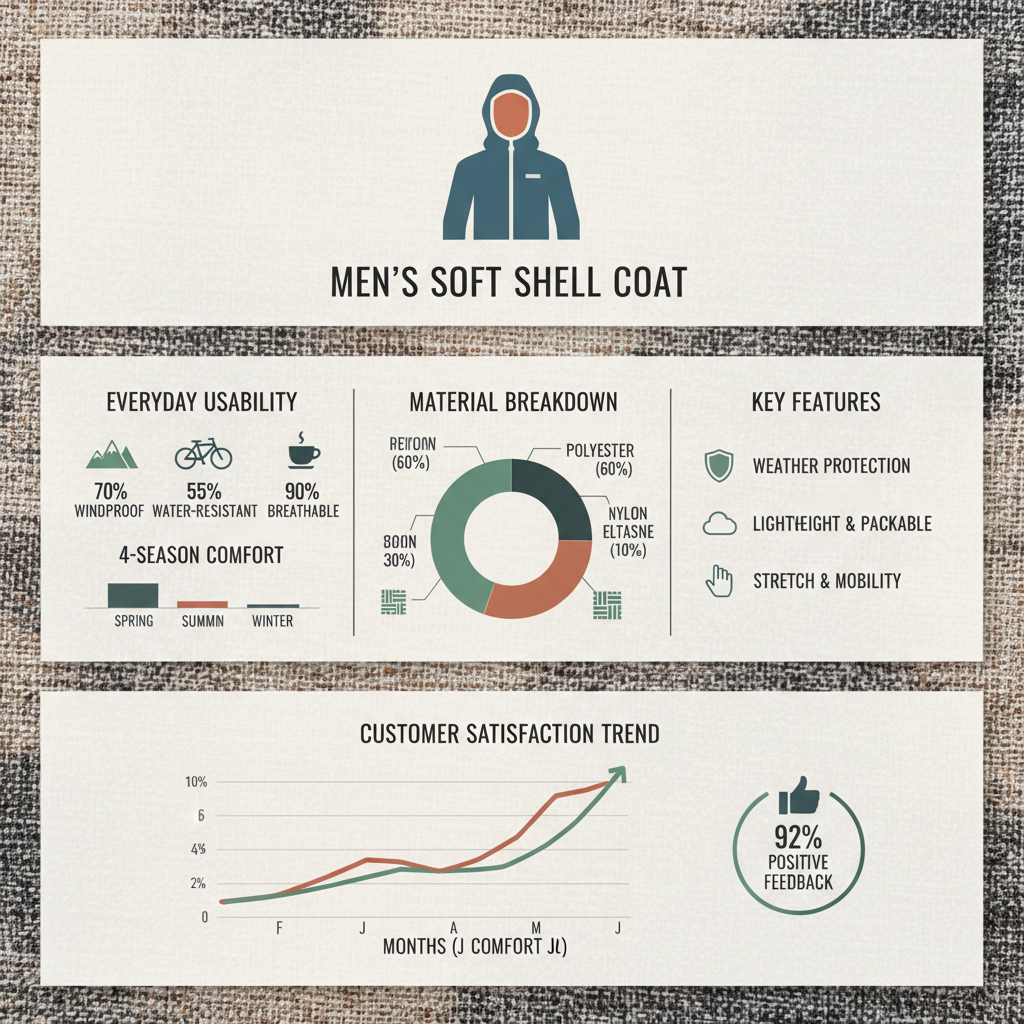
The performance of a soft shell coat hinges on the fabric used. Common materials include polyester blends, nylon blends, and sometimes even merino wool. Polyester and nylon offer excellent durability and abrasion resistance, while merino wool provides natural odor control and temperature regulation. The weave of the fabric also plays a critical role; a tighter weave offers better water resistance but may slightly reduce breathability. Many soft shell coats incorporate a stretch fabric (often spandex) for enhanced mobility. Selecting a fabric suited to your activity level and climate is crucial.
Fabric Features:
• Durability: Polyester and Nylon
• Odor Control: Merino Wool
• Mobility: Spandex/Stretch Fabrics
• Water Resistance: Tight Weave Construction
Soft Shell Coat vs. Hard Shell Coat: A Detailed Comparison
Choosing between a soft shell and a hard shell coat depends on your needs. Hard shell coats prioritize waterproofness and are ideal for heavy rain and extreme conditions. However, they often lack breathability and can feel restrictive. Soft shell coats excel in milder, more dynamic conditions where breathability and comfort are paramount. Here's a detailed breakdown:
Key Features to Look For in a Soft Shell Coat
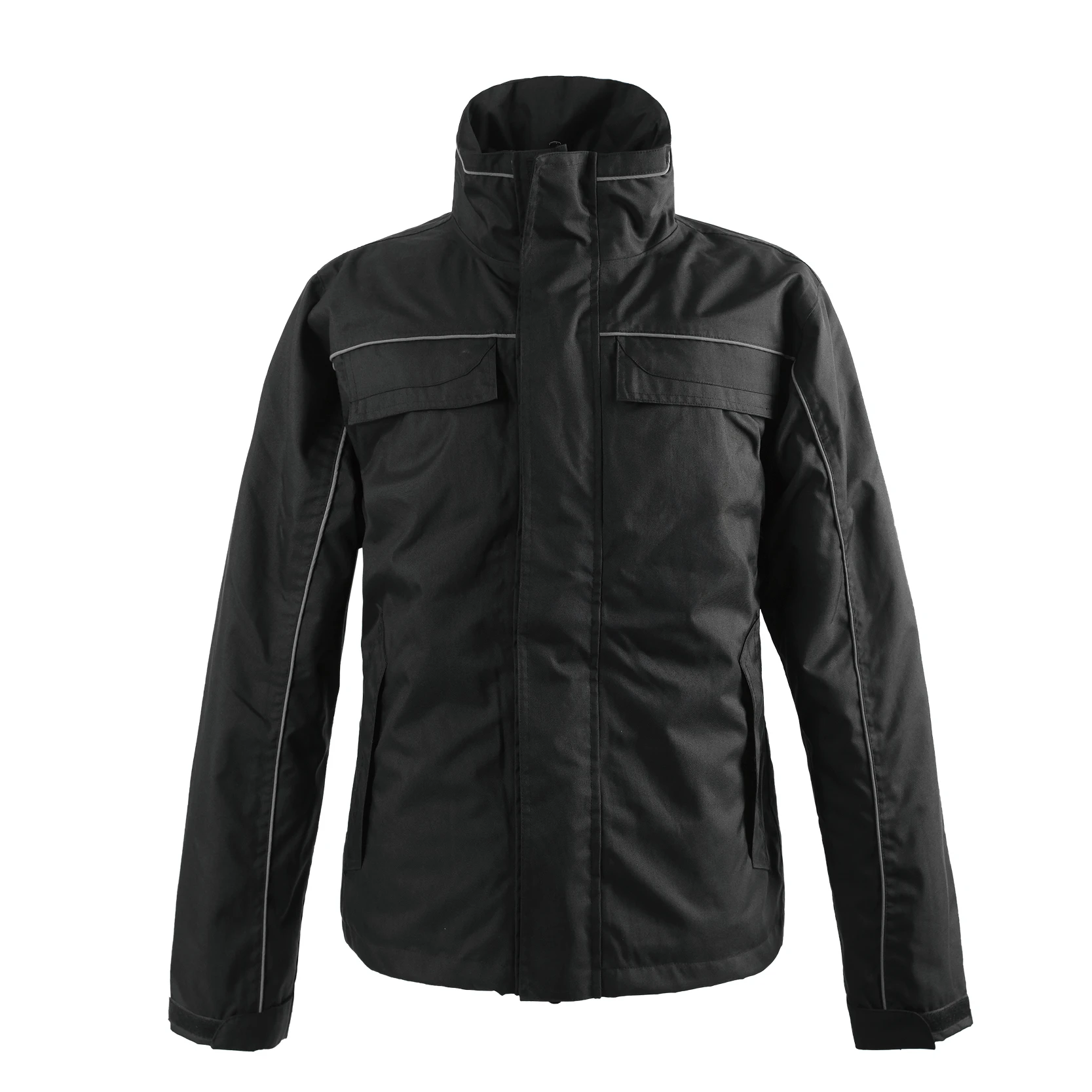
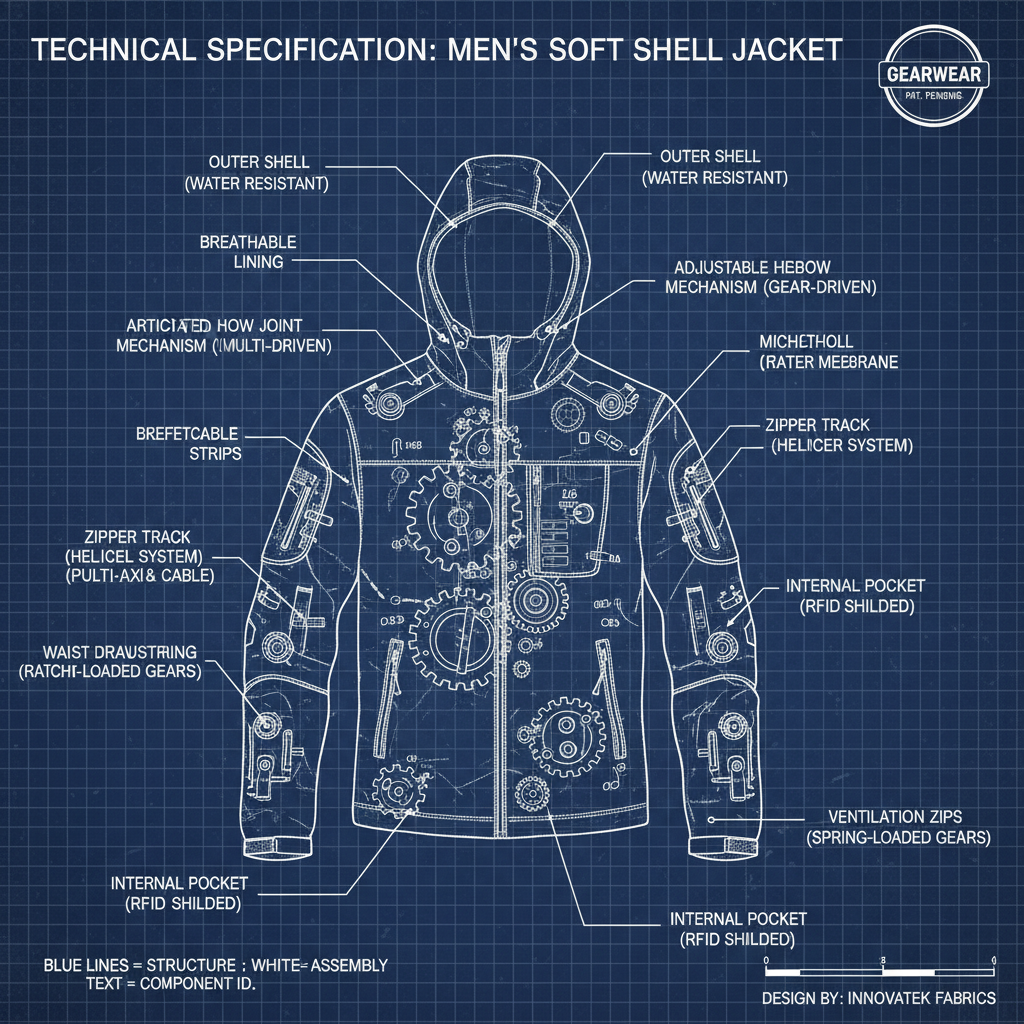
When selecting a soft shell coat, consider these key features: A well-fitted hood (detachable or adjustable is a plus), secure pockets (zippered pockets are essential for valuables), adjustable cuffs and hem for a customized fit, and articulation in the elbows and shoulders for enhanced mobility. Also, think about the DWR finish – a higher-quality finish will provide better water repellency. Don’t forget to explore the options available at Jide Garment, known for its quality and diverse selection.
Caring for Your Soft Shell Coat
To extend the lifespan of your soft shell coat, follow these care instructions: machine wash on a gentle cycle with cold water, use a mild detergent (avoid fabric softeners as they can reduce the DWR finish), tumble dry on low heat or hang to dry. Periodically re-apply a DWR treatment to maintain water repellency. Proper care will ensure your soft shell coat continues to perform optimally for years to come.
Conclusion: Choosing the Right Soft Shell for Your Needs
A well-chosen soft shell coat provides exceptional versatility and comfort for a wide range of activities. By understanding the different fabrics, features, and care instructions, you can select a coat that meets your specific needs and lasts for years to come. Explore the quality options available at Jide Garment and prepare to enjoy the outdoors in comfort and style.
Frequently Asked Questions (FAQs)
Are soft shell coats waterproof?
While soft shell coats aren't fully waterproof like hard shell coats, they are water-resistant thanks to their tightly woven fabric and DWR finish. This means they can withstand light rain and snow for a limited time. However, in heavy or prolonged rain, water may eventually penetrate the fabric. Consider a hard shell coat for truly waterproof protection.
How breathable are soft shell coats?
Soft shell coats are exceptionally breathable, making them ideal for high-output activities. The fabric allows moisture vapor to escape, preventing overheating and keeping you comfortable during exercise. This breathability is a key advantage over less breathable hard shell coats.
Can I layer clothing under a soft shell coat?
Absolutely! Soft shell coats are designed to be versatile layering pieces. They provide enough room to comfortably accommodate base layers and mid-layers for added warmth in colder conditions. This layering capability enhances their adaptability for different weather scenarios.
How often should I re-apply a DWR treatment?
The frequency of DWR re-application depends on usage and washing frequency. Generally, re-applying a DWR treatment every few washes, or when you notice water no longer beading up on the surface, is recommended. Follow the instructions on the DWR product for best results.